Wood and Metal Hybrid Chairs: What to Specify
Published by Foshanchair · Frame and joinery desk in Foshan, China
Most contract chairs sold today are not one material. A solid beech seat sits on a powder-coated steel frame, an ash back is bolted to a stainless undercarriage. The mix gives a cafe the warmth of wood at the cost and strength of metal, which is why it dominates the mid-market. It is also where most failures start: not in the wood, not in the steel, but in the joint between them. This guide covers the four ways a wooden seat is fixed to a metal frame, the tolerances that decide whether it stays tight, and the lines to put on a purchase order from a chair manufacturer in Foshan.
1. Why hybrid chairs get specified at all
Wood alone forces a thick section: a beech leg needs 30 to 40 mm to carry a diner safely. Steel does the same job with a 25 mm tube and a 1.5 mm wall, so a hybrid frame can stack, tuck under a 750 mm table and still look slim. The seat and back stay wood because that is the part guests touch and photograph. Cost splits roughly 35 to 45 percent frame, the rest seat, upholstery and finishing. Where they lose is anywhere a guest leans back hard or drags the chair on two legs: that load lands on four small fixings, not a tenon. Our metal and iron chair range shows how the frames are built before the seat goes on.
2. Four ways to fix a wooden seat to a metal frame
Threaded insert plus machine bolt. A steel or zinc-alloy insert is pressed into the underside of the seat and an M6 or M8 bolt comes up through a tab on the frame. Pull-out strength depends on the substrate: solid beech or ash holds 3 to 5 kN, 18 mm plywood 2 to 3 kN, and MDF under 1.5 kN. Through-bolt with washer and nyloc nut is stronger but leaves a visible fastener unless you counterbore and plug it. A welded steel seat pan with the wood screwed down from underneath spreads the load and hides every fixing, at the cost of weight and unit price. Bracket and wood screw into the seat rail is cheapest and the one to avoid: it holds on first assembly and strips on the second. A machine bolt costs a few cents more and makes the seat replaceable at re-cover time. Our wood-grain metal-frame dining chair shows insert-and-bolt construction.
3. Tolerance stack-up and wood movement
Steel does not move. Wood moves 0.2 to 0.3 percent of its width per one percent change in moisture content across the grain, so a 450 mm seat shifts 2 to 4 mm between a humid July and a heated February. If the bolt holes were drilled to the same pitch as the steel tabs, every one of those millimetres loads the insert and the seat works loose within a season. Fix it mechanically, not with muscle: holes 1.5 to 2 mm oversized or slotted across the grain, a flange washer with a nylon isolating washer, 6 to 8 Nm with a driver rather than by hand. Over-tightening crushes the insert seat and splits the rail, and it is the usual cause of squeaks. Welding adds its own error: tabs pull 1 to 3 mm out of plane and the powder bake moves them further, so seat locations should be slotted, never round. The logic mirrors the wooden-frame rules in our chair joint inspection guide.
4. Matching two finishes from two processes
You cannot match a wood stain to a powder-coat colour; the two processes do not share a colour space. Pick the metal to suit the wood, not the other way round, and agree a physical standard: five stained wood control panels plus a RAL card, all viewed under D65 light. A matte frame with a satin seat reads as one product; a gloss frame makes even good wood look flat. Watch the fixings: zinc-plated bolts near a kitchen wash-down bleed rust down a pale powder coat within a year, so specify A2 stainless or zinc-flange bolts with isolating washers. If the wood shop and the metal shop are two factories, expect two colour drifts and two gloss levels, and plan one assembly point where batches are compared side by side. The vocabulary in our guide to lacquer, PU, UV and oil finishes applies to the wooden half of every hybrid.
5. What to check on the sample
Three checks separate a hybrid that survives a restaurant from one that comes back. First, torque retention: tighten to the specified figure, mark the bolt heads with paint pen, run 200 sits or a mechanical cycle, then re-torque. A loss above 20 percent means the insert is creeping in soft wood or the hole pitch is wrong. Second, insert pull-out: most buyers ask for 500 N per fixing and a good solid-wood seat passes 2 kN, so ask for a destructive test on one of three samples. Third, the wobble test on a flat plate after the chair has been dropped from carton height, since transit loosens fixings more often than production does. Confirm which test level is being claimed, as in our chair test standards comparison. Ten pieces, not one, or you are testing a sample rather than a process.
6. Ten lines for the spec sheet
Write the interface down and the argument disappears at inspection. Specify the substrate as solid beech, ash or 18 mm plus plywood at 8 to 12 percent moisture content; the insert as M8 steel or zinc-alloy, 12 mm deep minimum, four per seat; the fastener as M8 by 25 mm grade 8.8 zinc-flange with a nylon washer, or A2 stainless for coastal use; the torque figure with a 100 percent driver check; 2 mm oversized holes slotted across the grain; frame tube at 25 by 1.5 mm with welds ground flush; powder at 60 to 90 microns over a RAL number plus gloss unit; PU or epoxy in the insert seat, never PVA; and seat and frame in separate foam bags, bolts bagged and taped to the frame. Add 2 percent spare seats, inserts and bolts, because the second assembly is where cheap fixings fail. Our sample approval checklist covers the rest of the sign-off sheet, and the solid wood seat range lists the timber we hold.
Conclusion
A hybrid chair is only as good as the four bolts nobody sees. Wood movement, weld distortion and two separate finishing lines all push against that joint, and the specification either absorbs that movement or fights it. Order a sample, torque it, cycle it, re-check it, and put the numbers on the PO. If you are weighing a wood seat against a steel or upholstered one for a project, send us the venue, the quantity and the look and we will come back with the construction that fits the budget.
Related: Knock-Down Chair Hardware: Bolts and Inserts · Iron vs Stainless Steel Chairs
Models we build for this
Factory-direct pricing, custom finish and fabric, MOQ from a few pieces.
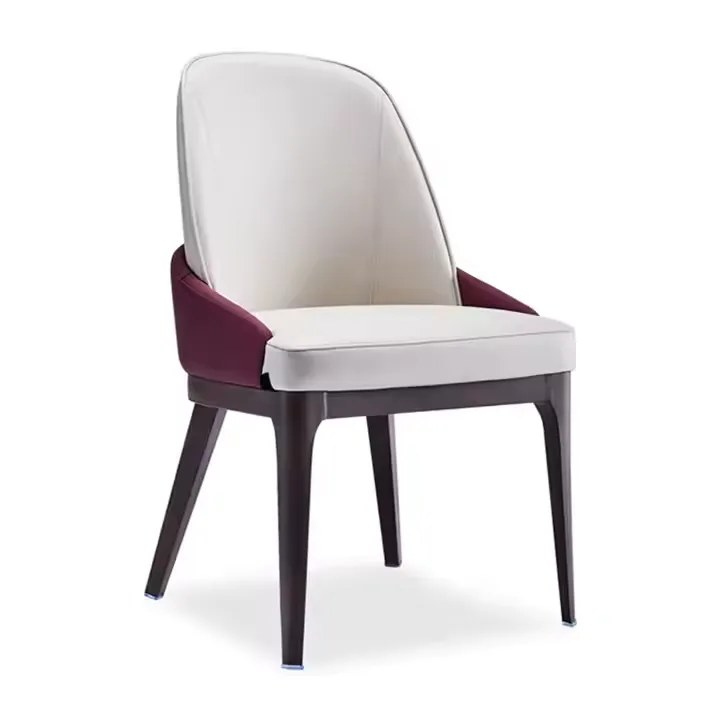 Wood & Metal Frames
Foshanchair Wood-Grain Metal Frame Dining Chair
Metal frame · MOQ 4 pcs · $60
View model →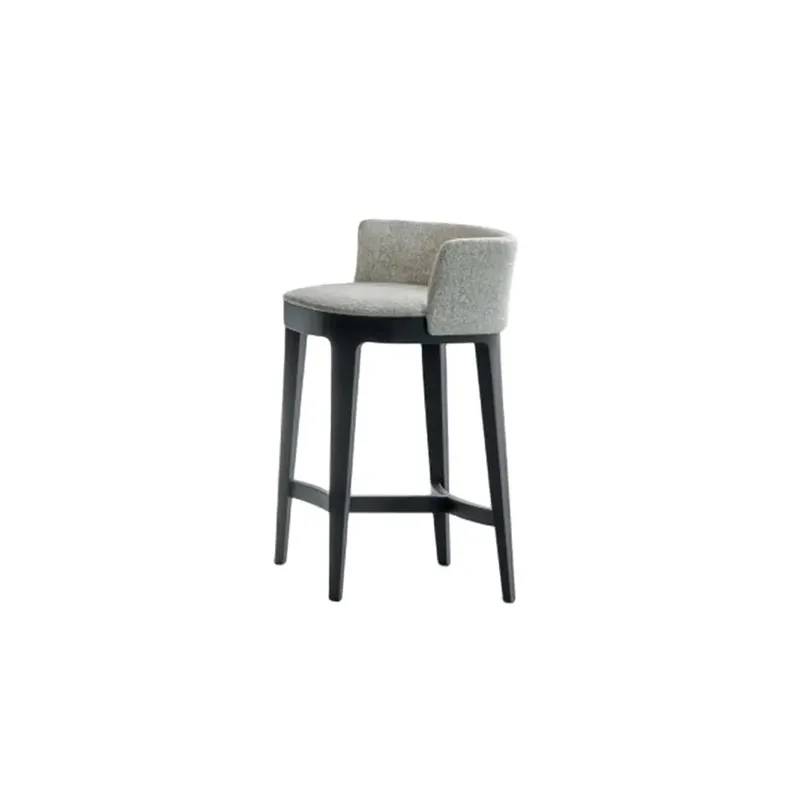 Wood & Metal Frames
Foshanchair Metal and Wooden Frame Dining Chair
Metal & wooden frame · MOQ 10 pcs · $100
View model →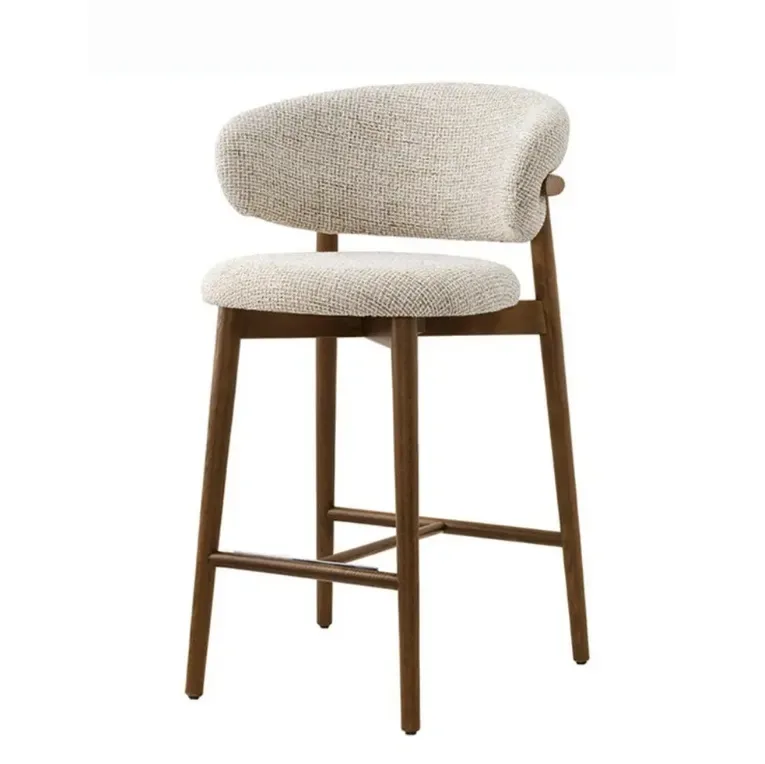 Bar Chairs
Foshanchair Wood and Steel Bar Stool
Wood & steel frame · MOQ 50 pcs · Get Quote
View model →