Knock-Down Chair Hardware: Bolts, Inserts and Assembly Kits
Published by Foshanchair · Frame and fittings workshop in Foshan, China
Hardware is one to three per cent of a chair's cost and most of its assembly complaints. A container arrives, the venue assembles forty chairs, and by the third one the bolts are turning freely because the insert was set into a soft pocket, or the kit in carton nineteen is two washers short, or the wrench that came with it rounds the hex head on the first turn. None of that is visible in a photograph of the chair, and none of it shows up until the goods are unpacked six weeks after the deposit cleared. This guide covers the four fixing families, the thread and grade choices, and the assembly kit as a part you can specify and inspect, using frames from our chair catalogue as the examples.
1. The kit, not the frame, generates the claims
A chair frame can be perfectly built and still fail on site, because the buyer's experience of quality starts at the hardware bag. Missing bolts, mismatched threads and soft fasteners produce the three complaints that cost the most to resolve: a chair that cannot be assembled at all, a chair that wobbles within a month, and a venue that has to pay a fitter to visit. All three are cheap to prevent at the factory. What makes them hard to fix afterwards is geography — a replacement bag of bolts shipped by air costs more than the bolts by a factor of fifty. This is the same arithmetic that makes arrival claims so expensive.
2. Four ways to fasten a chair, and where each belongs
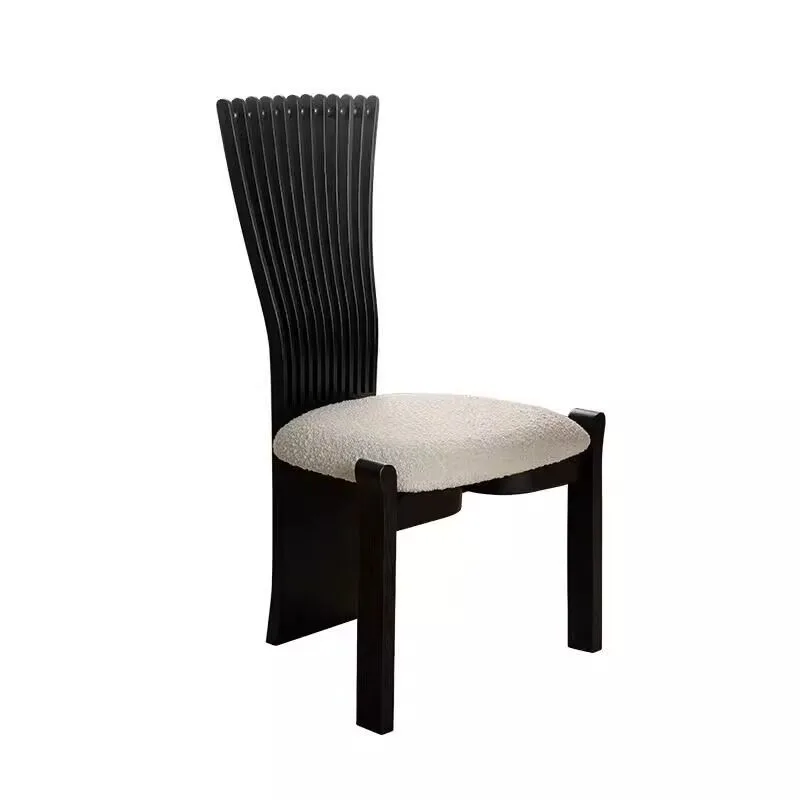
Permanent joints — glue with dowel or mortise and tenon, or a weld on a metal frame — carry the load, and they are covered in our joint construction guide. Knock-down hardware only has to hold what the permanent joints cannot: the seat to the apron, the legs to the corner, the back to the frame. Straight wood screws are the cheapest option and belong only on parts that will never come apart, because each removal strips the hole. A threaded insert changes that. A pronged T-nut, a flanged dowel nut or a cross dowel plus bolt puts a steel thread into the timber, so a machine bolt can be driven and re-driven without damage. A cam lock is fast for the customer but unforgiving: it needs a fifteen millimetre bore at the right depth and fails quietly when the cam turns past its stop. On our solid wood frames we default to inserts and bolts on anything the venue may re-tighten, and reserve screws for the parts that leave the factory finished.
3. Thread standard and bolt grade
Two failures come from the thread itself, and both are specification errors. The first is a mismatch: metric M6 or M8 on one order and 1/4-20 or 5/16-18 on the next, usually because the factory bought a batch of fittings from a different supplier. A buyer who reorders six months later then cannot swap parts between chairs. Fix the standard in writing and keep it in the item file. The second is engagement. A bolt should reach at least one and a half times its diameter into the insert, and much more than that means it bottoms out and splits the stile. On grade, 8.8 zinc-plated steel is the right default indoors; 4.8 bolts are softer and stretch, which is why chairs assembled with them work loose in months. Outdoor and wash-down models want A2-70 stainless, because zinc rusts at a scratched head and bleeds a brown stain down the leg. The iron chair range shows where that distinction actually matters.
4. Torque, locking and the thirty-day re-tighten
Most insert failures are over-torque, not under-torque. An M8 bolt into a T-nut wants roughly twelve to fifteen newton metres, an M6 around six to eight; a fitter with an impact driver will pass both figures without noticing, crush the timber around the insert and leave a boss that spins in its pocket. Publish the figure on the instruction sheet. Under-torque is the quieter problem: a bolt that is merely snug will walk out under a hundred sits a day. Pre-applied nylon patch or a nylon-insert lock nut holds better than a plain split washer. Then schedule the check nobody schedules. A frame machined at ten per cent moisture content moves as it adjusts to the destination climate, and a joint that was tight in Foshan has clearance by week four. A re-tighten at thirty days, to the printed torque, is the cheapest warranty measure a venue can buy — the maintenance routines in our care guide assume it.
5. Treat the assembly kit as a controlled part
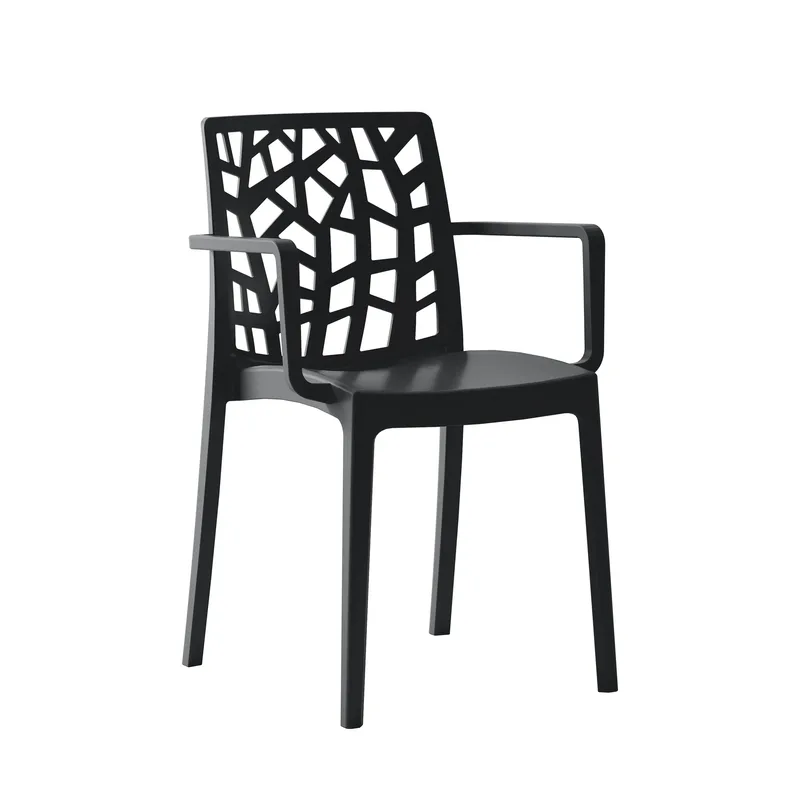
The kit deserves the same discipline as the frame: one bag per chair, in the carton that carries that chair, matched to the model rather than to the container. Bagging by container is how a two-model order ends up with ninety per cent of the kits for the smaller model. The bag itself should hold a printed count sheet, three to five per cent spares of the fastest-losing items, and a short instruction sheet with a diagram, the torque figure and a part number for each item so a venue can reorder one bolt instead of a chair. Pack bolts in a sealed polyethylene bag of at least 120 microns, or cap the threads, because a loose bolt head punctures a carton wall and then the upholstery — the same reason our packaging guide treats hardware as a separate risk from the frame. Give every bag a model code and a revision letter, and change the letter when a fastener changes. On our stacking armrest chair the kit is model-specific for exactly this reason.
6. What to write on the order, and check in ten minutes
Seven lines cover most of it: fixing type per joint, insert type and material, thread standard, bolt grade and finish, washer and locking method, torque figures, and kit contents with spare percentage. Then verify on the sample rather than on the drawing. Tip the bag onto a table and count against the sheet. Thread every bolt into its insert by hand — if it will not go in by hand, the thread is damaged or the standard is wrong, and a wrench will only hide it. Check that each insert sits flush or a fraction below the surface, not proud. Assemble one chair, sit on it, and rock it side to side while watching the leg joints. Weigh the bag: a gram-scale check against the part list catches a missing washer faster than counting. If the sample kit is short or the bolts feel soft, production will be the same and harder to reject later; our OEM team will quote the hardware schedule separately so the upgrade is priced rather than assumed, and the same discipline is written into our sample approval checklist.
Conclusion
Chairs rarely come back because the timber was wrong. They come back because a two-dollar bag of fittings was not specified. Name the insert, the thread, the grade, the torque and the kit contents, publish them on the instruction sheet, and put the thirty-day re-tighten in the handover pack. Send us the model and the quantity and we will return a hardware schedule with the frame quotation, so the fixing is a line item instead of a surprise on the assembly floor.
Related: Chair Joints: What Buyers Should Inspect · Chair Sample Approval Checklist
Models we build for this
Factory-direct pricing, custom finish and fabric, MOQ from a few pieces.