Chair Finishes: Lacquer, PU, UV and Oil
Published by Foshanchair · Chair manufacturer in Foshan, China
Two chairs leave the same workshop, both sold as walnut, and one costs a third more. The difference is rarely the wood. It is the finish — which resin sits on the surface, how many coats, how thick the film, and how long it was left to cure before the chair went into a carton. On a restaurant floor that gap appears in month nine, when the cheaper chair has white rings around the hot cups and a sheen gone patchy at the armrests. Here is how the four systems used on wooden chairs differ, what each costs in service, and the numbers worth writing into an order before a sample is made.
1. A finish is a system, not a colour
Every wooden chair carries three decisions, and buyers usually argue about only the first. The colour layer is either a dye or pigment stain that lets grain read through, or a solid colour that hides it. Above that sits a sanding sealer, whose only job is to fill open pores so the topcoat can build evenly. The topcoat takes the abuse. Ask for “a walnut finish” and four factories will give you four answers: stain on beech, stain on ash, clear coats over real walnut, or a printed foil. Name the system instead. A clear coat on ash, like this solid ash dining chair, shows every pore and every sanding mark, and it is the honest test of whether a factory can spray. The rest of the wooden chair range is quoted the same way, system named line by line.
2. Nitrocellulose lacquer: cheap, fast, thin
Nitrocellulose lacquer, or nitro, is still the default on budget wooden chairs. It dries by solvent evaporation in 20 to 30 minutes, so a factory can spray, sand and pack in one day, and the finished film lands at roughly 25 to 40 microns. It keeps grain crisp and repairs locally: a drop of blush retarder and a light rub lifts a white ring without blending a whole panel. But the film is thin and thermoplastic. A 70 per cent alcohol wipe softens it, quaternary disinfectants dull it within a season, and it ambers under two or three years of light, turning a white oak chair honey. Specify nitro for guest rooms, offices and low-traffic retail. Not for a bar.
3. Two-pack PU: the contract standard
Two-pack polyurethane is catalysed, so it cross-links rather than simply drying, and that is the whole difference. Film build reaches 60 to 90 microns, the surface resists alcohol and sanitiser wipes, and hot cups stop ringing. The cost is time and money: 15 to 25 per cent above nitro, a 4 to 8 hour pot life, sanding between coats, and 24 to 48 hours of cure before wrapping. Pack a PU chair early and the film softens against the foam, printing the carton pattern into the seat. Acid-cure PU is the harder, faster variant used on premium contract work; it ambers more, which matters on pale species. On a dark stain, as on this walnut solid wood chair, the ambering is invisible and the durability is free.
4. UV-cured and water-based: where they fit
UV coatings are the industrial option. A roller line lays the film and a lamp cures it in seconds, so the build reaches 80 to 120 microns in one pass. Geometry is the limit: UV travels in straight lines, so only flat parts — seat panels, table tops, some back panels — can be cured this way. Legs and curved backs are still sprayed. The result is hard and uniform but almost impossible to spot repair. Water-based systems answer VOC rules rather than wear. Under the EU Decopaint Directive, interior wood coatings are capped near 300 g/L solvent-borne and 130 g/L water-borne, and projects chasing LEED or BREEAM credit usually want the lower figure. Water raises the grain, so the factory must sand between sealer and topcoat or the surface feels rough within months. Catalysed water-based PU cures close to solvent PU, given seven days before anyone sits on it. A solid colour like this black painted chair hides grain, so a rougher water-based surface is far less visible there than under a clear coat.
5. Gloss and film build: the numbers to specify
Gloss is measured in units at 60 degrees, and the number belongs on the order because “matte” means different things in different factories. Matte sits at 5 to 10 units, satin at 20 to 35, semi-gloss at 45 to 60, high gloss above 80. For contract work satin is the practical band: it hides fingerprints, scuffs and the polished patches that appear wherever a hand rests. Matte below 10 shows every one of them within a year. Film build matters as much. Specify a total dry film thickness of 60 to 90 microns and ask how it is checked. A factory with a coating thickness gauge measures a control panel sprayed from the production batch; one without a gauge is guessing. Edges fail first, because film thins over a radius and burn-through reads as a pale line down a leg. Write “two sealer coats and two topcoats” rather than “lacquered”, and keep one control panel per colour and gloss. That panel is what the next reorder is matched against, as set out in chair colour matching across reorders.
6. Test the finish, not the sample panel
Finish complaints are film failures, and they are cheap to catch before shipment. Four tests cover most of it. Cross-hatch adhesion to ISO 2409, where a lattice cut and a tape pull should leave a classification of 1 or better. A solvent rub of 50 double rubs with 96 per cent ethanol on an inconspicuous area, watching for softening. Spot tests left 24 hours — coffee, red wine, cooking oil, and the sanitiser the client actually uses. And a hot cup test at 70 degrees for an hour, the failure every restaurant recognises. Test the finish on production chairs from the first cartons, not the panel the sales team carried in. Note the cure date. Then write four lines into the order: system name and coat count, gloss in units, total dry film thickness, and minimum cure before packing. Add one touch-up kit per 50 chairs using 0.5 L from the same batch, and record the batch code on the carton. Chair test standards cover the structural side; this is the surface side of the same conversation.
Conclusion
A finish is one of the few specifications a buyer controls completely, and one of the few that decides how a chair looks in year three rather than on delivery day. Name the system, the coats, the gloss and the film thickness, test it on production chairs, and let it cure before it is packed. The species and the joint have already been argued over. Send your finish specification through the contact form and we will quote the chair against it, coating system named line by line.
Related: Solid Wood Chair Care · Custom Chair Upholstery: Fabric, Foam & Finish
Models we build for this
Factory-direct pricing, custom finish and fabric, MOQ from a few pieces.
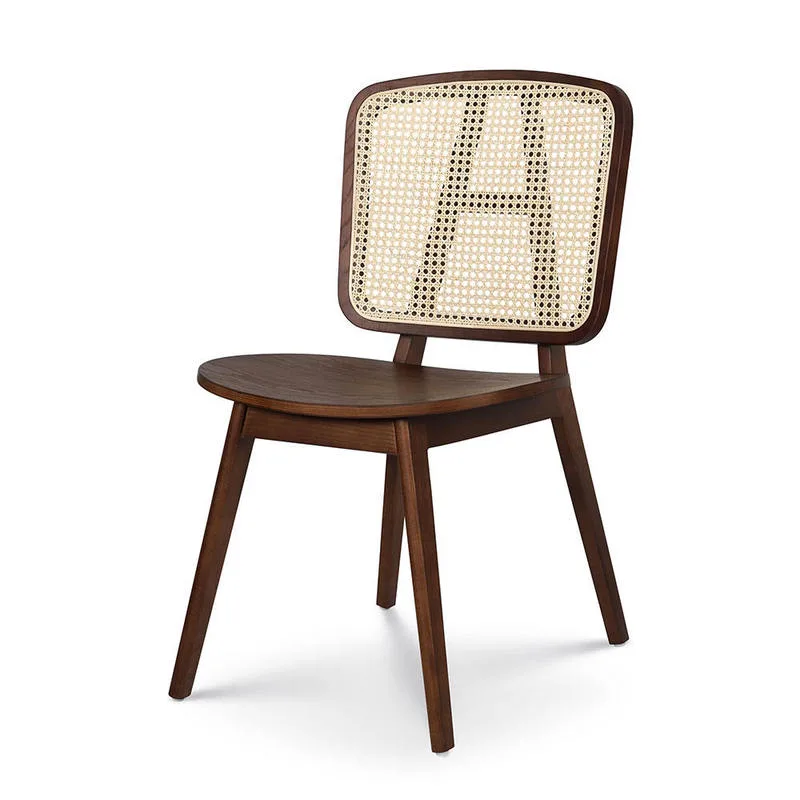 Wooden Chairs
Foshanchair Solid Wooden Ash Wedding Dining Chair
Solid wood/rattan · MOQ 6 pcs · $45
View model →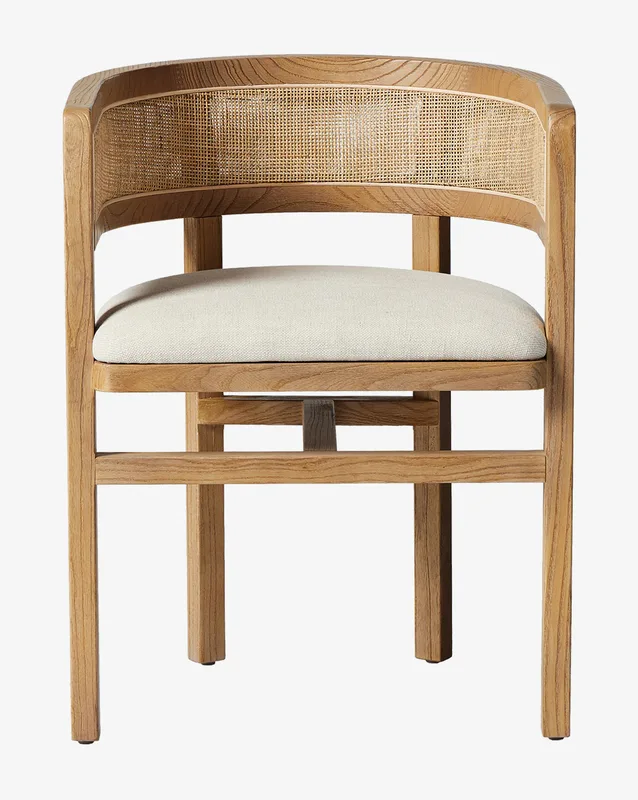 Wooden Chairs
Foshanchair Walnut Solid Wood Upholstered Dining Chair
100% Solid Wood · MOQ 6 pcs · $160
View model →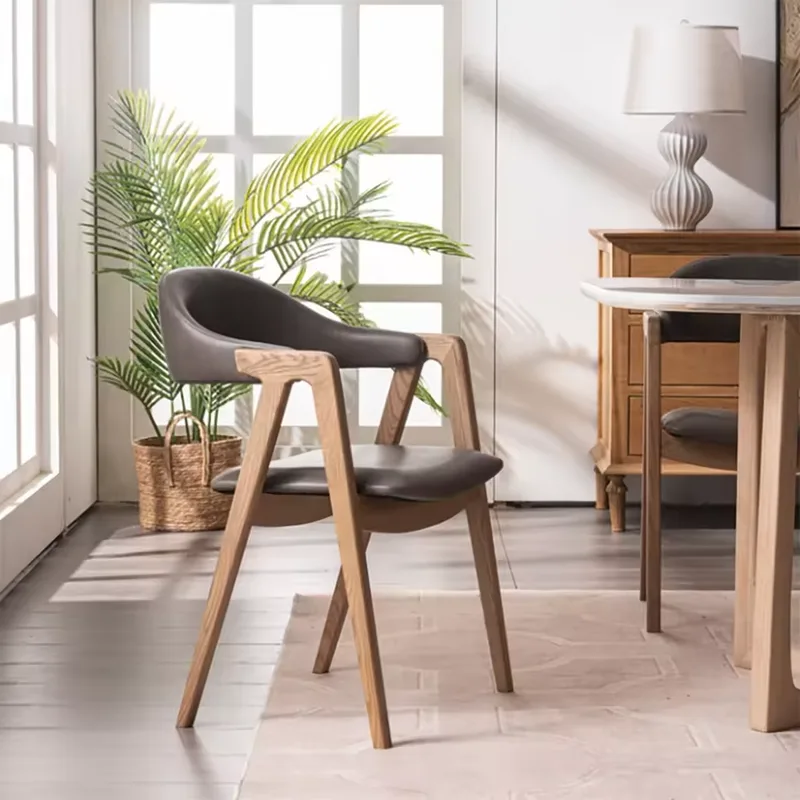 Wooden Chairs
Foshanchair Leather Chair Vintage European Antique
100% Solid Wood · MOQ 2 pcs · $58
View model →