Chair Test Standards: Which One Applies to Your Contract Seating Order?
Published by Foshanchair · Chair manufacturing studio in Foshan, China
Testing is one of the few parts of a chair order you cannot fix later. A frame that fails at 40,000 cycles looks identical to one that survives 200,000 while both are standing on the showroom floor — the difference only appears after two years of service. This guide explains which standards apply to contract seating, what the tests actually simulate, and how to lock the right one into your purchase order.
1. Three standard families, three very different uses
Every chair specification in a quotation names a standard from one of three families, and they are not interchangeable. EN 12520 is the European standard for domestic seating — home dining chairs. Its loads assume occasional household use, so it is the wrong reference for a restaurant. EN 16139 is the European standard for non-domestic, contract seating, supported by EN 1728 for test methods and EN 1022 for stability. ANSI/BIFMA X5.1 is the North American general-purpose seating standard, written mainly around office chairs; for lounges, lobbies and waiting areas, ANSI/BIFMA X5.4 is the closer fit. You may also see EN 15373 on older reports — it was the earlier non-domestic standard and has largely been superseded. Treat it as an outdated reference rather than a selling point. Whether you are buying wooden chairs or iron frames, name the standard per destination: European importers usually ask for EN 16139, US buyers for BIFMA. Both can be run on the same sample.
2. What each test actually simulates
Structural standards are built from four families of tests, and reading them as a group tells you how a chair will behave in service. Static load tests apply a fixed force to the seat, the backrest, the front edge of the seat and the armrests, and hold it — they catch frames that are simply too weak. Cyclic durability tests repeat a smaller load thousands of times, mimicking guests sitting down and shifting their weight; this is the test that separates a hospitality chair from a home chair. Stability tests check that the chair does not tip when a guest leans back, perches on the front edge or sits sideways. Impact and drop tests simulate real mishandling, such as a heavy guest dropping into the seat or a chair falling off a delivery trolley. Note what none of this covers: structural testing says nothing about the finish. Powder-coating adhesion, salt-spray corrosion and fabric abrasion are separate tests with separate reports. This is the discipline behind our stacking armrest restaurant chair, built for that repeated loading rather than occasional use.
3. EN 16139 levels: why the level matters more than the standard
EN 16139 is not a single pass mark. It is published in three severity levels, and the level you specify decides how much abuse the chair is rated for. Level 1 covers light contract use such as guest rooms and low-traffic meeting rooms. Level 2 covers general contract use, and it is the level that restaurants, cafes, hotel dining rooms and bars should be quoting. Level 3 covers severe use: transport terminals, stadiums, high-turnover fast-food outlets and public waiting areas. A quotation that says “tested to EN 16139” without a level is incomplete — ask which level. Upgrading from Level 1 to Level 2 costs little before tooling, but it changes the frame gauge, the joint detail and the cycle count the factory must hold. Specify the level in the enquiry, not after the sample arrives and the metal-leg restaurant chair is already approved.
4. How to read a test report without being fooled
A one-page certificate is not a test report. A usable report names the exact standard and version (for example EN 16139:2013), the severity level, the clause numbers tested, includes a photo or drawing identifying the tested model, and shows the test date plus the name and accreditation of the laboratory. First, check that the chair tested is the chair you are buying — a report for a similar model in another finish is not evidence for your order, and a change of frame material, seat construction or leg profile normally requires a retest. Second, check the lab: reports from ISO/IEC 17025 accredited facilities such as SGS, TUV, Intertek and Bureau Veritas carry weight with importers and insurers, while in-house “test reports” from the factory are engineering data, not third-party evidence. Third, check the date against the drawing revision; if the design changed after the test, the report is void. Finally, remember what a report covers: a sample passed, not that every unit will. That gap is what our factory background and our OEM and ODM process close with pre-shipment inspection.
5. Flammability and material certificates travel separately
Two further document families appear in hospitality specifications and are often confused with structural testing. Upholstery flammability is normally a contract requirement in its own right: EN 1021-1 and EN 1021-2 in Europe, BS 5852 Crib 5 for UK projects, and California TB 117 in the United States. These apply to the foam and fabric combination, not to the frame. Material and emissions certificates are a third group: formaldehyde limits (E1 or E0, EN 717-1, CARB Phase 2 / TSCA Title VI), FSC chain-of-custody for wood, and physical performance data such as foam density and Martindale abrasion cycles for the fabric. Watch for the combinations that cannot be separated: if a buyer changes the foam supplier or the fabric after a flammability test, the certificate no longer covers the chair that ships. Record the approved fabric codes in the purchase order so a substitution cannot happen silently — the same discipline applies to leisure chairs as to dining seating.
6. Writing the standard into the purchase order
Put four things in the order, or the standard will not survive first contact with production. The standard, version and level: write “seating to be tested to EN 16139:2013 Level 2” rather than “contract quality”. Who pays and when: third-party testing on a new model typically adds one to three weeks and a few hundred dollars per report, and it must be booked before mass production, not after. The retest trigger: state that any change of frame material, joint, foam, fabric or finish voids the report and requires a retest at the supplier’s cost. The consequence: tie it to your inspection and payment milestones so the report is a pre-shipment document and the balance releases against it. Then ask for the report on your first enquiry, alongside the quote. A factory that can produce a current, model-specific report within a day tests routinely; one that promises “we can get it if you insist” is describing a one-off purchase.
Conclusion
Test standards are not paperwork for its own sake. They are the only way to compare two quotations that look identical on the showroom floor, and the reason one chair is still tight after five years while another wobbles after one. Decide your market, pick the standard and the level, and write both into the order before tooling starts. Send us your destination market and project type through our contact form and we will confirm which standard applies, then quote contract seating built and tested to it.
Related: Chair Joints: What Buyers Should Inspect · Chair Order Payment Terms: Deposits, T/T and L/C
Models we build for this
Factory-direct pricing, custom finish and fabric, MOQ from a few pieces.
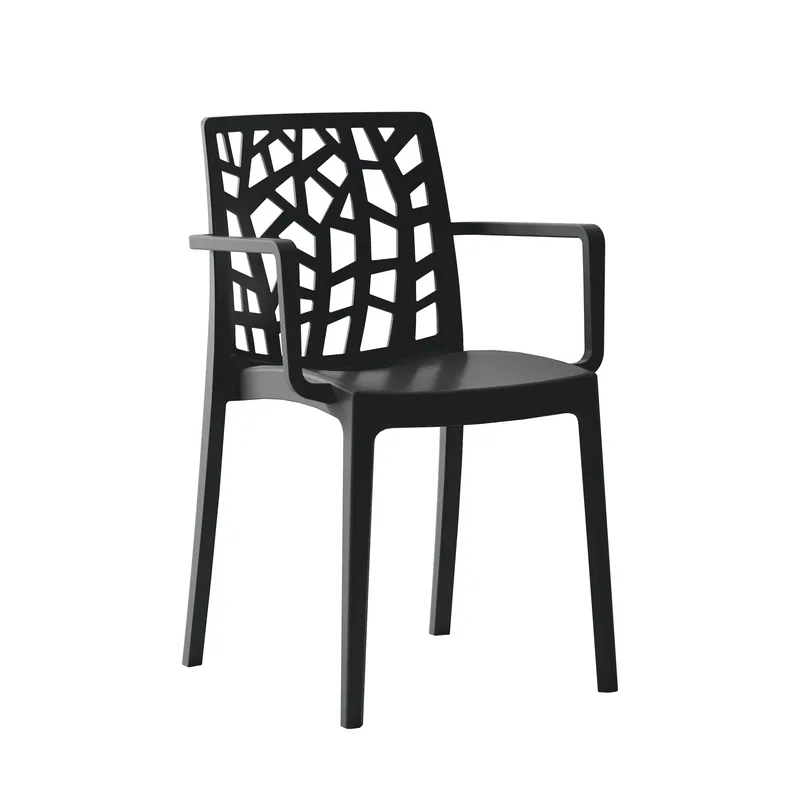 Commercial Restaurant Chairs
Foshanchair New Design Hot Sale Wholesale Stacking Cheap Armrest PP Restaurant Chair
PP / contract frame · MOQ 6 pcs · $20
View model →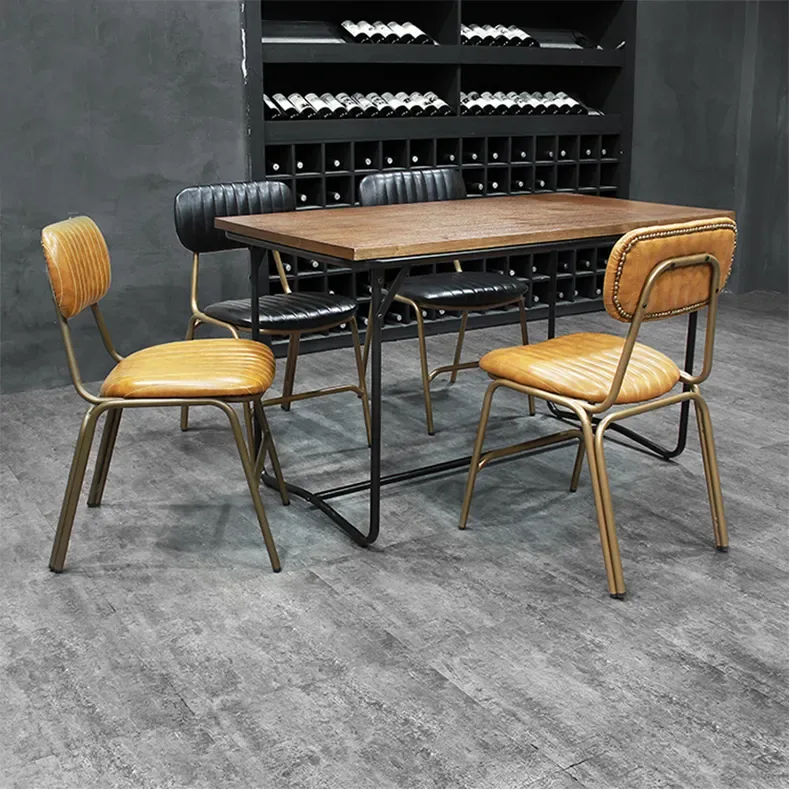 Commercial Restaurant Chairs
Foshanchair Cheap Leather Dining Chair Metal Leg Modern Dining Chair Restaurant Chairs
Metal leg · MOQ 10 pcs · $35
View model →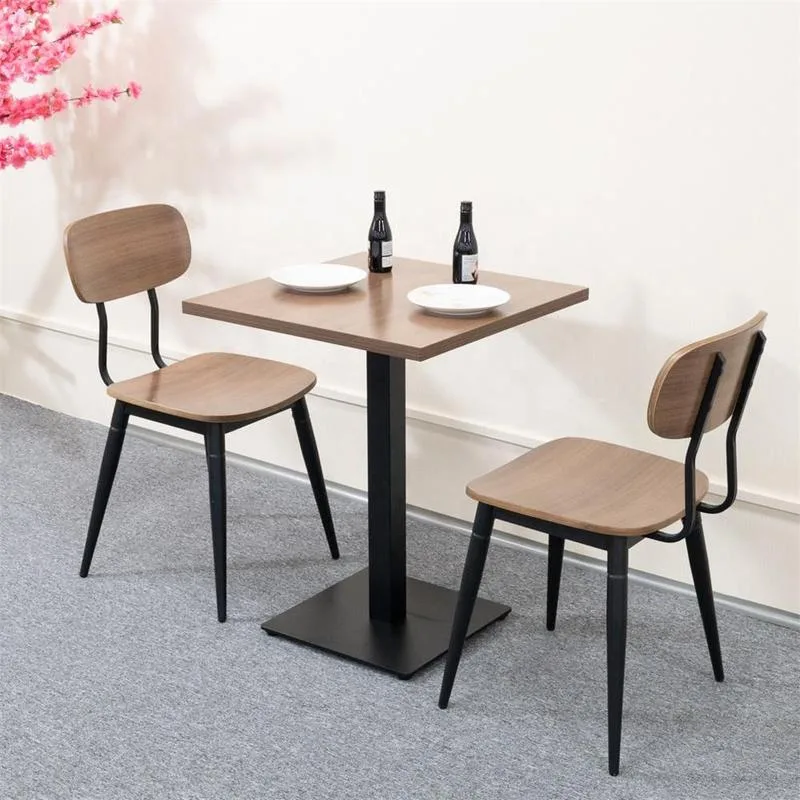 Commercial Restaurant Chairs
Foshanchair Classical Industrial Style Restaurant Dining Furniture Sets Wooden Desk Top Dining Table and Black Metal Chair Sets
Wood top + metal frame · MOQ 6 pcs · $60
View model →