Metal Chair Frame Finishes: Powder Coat, Plating and PVD
Published by Foshanchair · Metal finishing desk in Foshan, China
Every metal chair leaves the factory with a finish, and most buyers specify nothing beyond a RAL number. That is why two frames from the same catalogue behave differently eighteen months later in a coastal restaurant: one keeps its colour, the other pushes rust out of a weld under the seat. The difference is rarely the paint brand. It is the four-layer system behind the colour — substrate, pre-treatment, coating and cure — and whether anyone measured it. This guide explains how each finish works on a chair frame, which numbers belong on the order, and which failures are built in before the first chair is packed. Our chair factory in Foshan runs all four layers in-house.
1. A finish is a system, not a colour
Four layers sit between the steel tube and the guest. The substrate is usually cold-rolled steel at 1.0 to 1.5 mm wall, or 304 stainless where corrosion matters. Pre-treatment is alkaline degreasing, two counter-flow rinses, a conversion coating — zinc phosphating at 1 to 3 g/m², or a chromate-free zirconium layer — a deionised rinse and a dry-off at 100 to 120 °C. Coating is electrostatic powder, plating or PVD. Cure is the bake that turns powder into a film. Skip the second rinse and you trap salts under a perfect-looking skin; the film blisters six to twelve months later, long after the container has cleared customs. Plated and PVD frames skip the phosphate but still live or die on degreasing. Our iron and metal chair range is finished on the same line we audit.
2. Powder coating: three chemistries, one number that matters
Almost every painted contract frame is powder coated, but the resin decides where it can go. Epoxy is tough and chemically resistant and chalks to a dull grey in sunlight, so it belongs indoors. Polyester, usually TGIC or HAA cured, holds colour outdoors for years and is the default for terrace and café work. Hybrid epoxy-polyester sits in between and costs least indoors. Specify dry film thickness of 60 to 90 microns as standard and 100 to 120 microns for humid or coastal sites; below 50 microns the film follows the steel and rust starts at the first stone chip. Cure is judged on metal temperature, not oven setting — 180 to 200 °C held for 10 to 15 minutes. Under-cured powder looks fine and fails adhesion tests within a season. Watch the inside corners: the electrostatic faraday cage effect leaves welds and seat brackets 30 to 50 percent thinner than flat tube, which is exactly where rust begins. The wood side of the same order is covered in our guide to lacquer, PU, UV and oil finishes.
3. Plating and PVD: where the gold comes from
Decorative chrome is a stack, not a single layer: copper at 15 to 25 microns, nickel at 10 to 20, then chromium at 0.25 to 0.8. Each layer is measured in microns and each one costs money, so a cheap chrome frame is a thin nickel frame and will pit from the inside out. Brass and antique gold are usually plated then lacquered, and the lacquer — not the metal — wears first, at the armrest and the footrest where hands and shoes land. PVD is a different process: titanium nitride or a gold-tone variant is deposited in vacuum at 0.3 to 1 micron onto polished 304 stainless. It is far harder than chrome, does not tarnish, and is what "gold stainless" should mean. It also amplifies every scratch in the substrate, because PVD is thin enough to show the polishing underneath, and adds roughly 8 to 15 percent to frame cost. Compare the surfaces in our stainless steel chair range and the trade-offs in iron versus stainless steel.
4. The tests that prove it: salt spray and adhesion
Salt spray to ASTM B117 or ISO 9227 runs a 5 percent salt fog at 35 °C and is the finish test most buyers quote. Set the hours to the venue rather than to the catalogue: 96 to 200 hours for a dry indoor dining room, 240 to 480 for a busy restaurant or a kitchen-adjacent frame, and 500 to 1000 for coastal or outdoor use. Then read the report properly. White rust is zinc or aluminium corroding and is cosmetic; red rust is the steel underneath and is a fail. Check whether the panel was scribed, and how far rust crept from the scribe — two millimetres or less after 480 hours is a sound film. Cross-hatch adhesion to ISO 2409 should reach Gt0 or Gt1, impact and bend tests should show no cracking, and a solvent rub of 50 double strokes with MEK confirms the powder was actually cured. Confirm the report was run on the same substrate and pre-treatment line as your order. Our chair test standards comparison shows where finish tests sit next to structural ones.
5. Where finishes fail in service
Six places account for most complaints, and none shows at inspection. Cut thread ends and machined tube ends carry no coating, so they rust first and quietly. Weld seams are thin from the faraday cage effect. Nylon glides trap water against the leg foot and hold it there. Stacking rubs the same two contact points until bare steel shows. Cleaning chemicals do the rest: chlorine, quaternary ammonium sanitisers and citric descalers all attack a polyester film, which is why the care sheet should name the allowed cleaners. Fixes are cheap if planned: A2 stainless or zinc-flange fasteners instead of plain zinc bolts, 2 percent spare glides with every container, and a matched touch-up aerosol per 50 chairs for chips. Our stainless steel care guide covers the metal-specific cleaning rules, and the restaurant maintenance plan sets out a quarterly walk-round.
6. Ten lines for the purchase order
Write the finish down and the argument at inspection disappears. Specify the substrate grade and wall thickness; the pre-treatment line, including phosphate weight; the coating chemistry and the powder brand; the RAL number plus a gloss target in units; dry film thickness of 70 to 90 microns measured at three points on five frames per batch; adhesion to ISO 2409 Gt1 or better; salt spray hours with the panel photographs attached; the cure check method; packaging with foam or paper interleaves and no PVC tape against the film; and a touch-up kit with the batch. Add five retained control panels, kept by the factory for 24 months, so a reorder is compared side by side. Our sample approval checklist and OEM and ODM process show where the finish sign-off sits.
Conclusion
Powder, plating and PVD are three different answers to the same question, and the right one depends on where the chair will live rather than on which looks best in a photograph. Specify the layers, demand the test report with photographs, and keep a control panel. If you are choosing between a coated steel frame and a stainless one for a project, send us the venue, the quantity and the finish you have in mind and we will come back with the specification and the price.
Related: Chair Finishes: Lacquer, PU, UV and Oil · Iron vs Stainless Steel Chairs
Models we build for this
Factory-direct pricing, custom finish and fabric, MOQ from a few pieces.
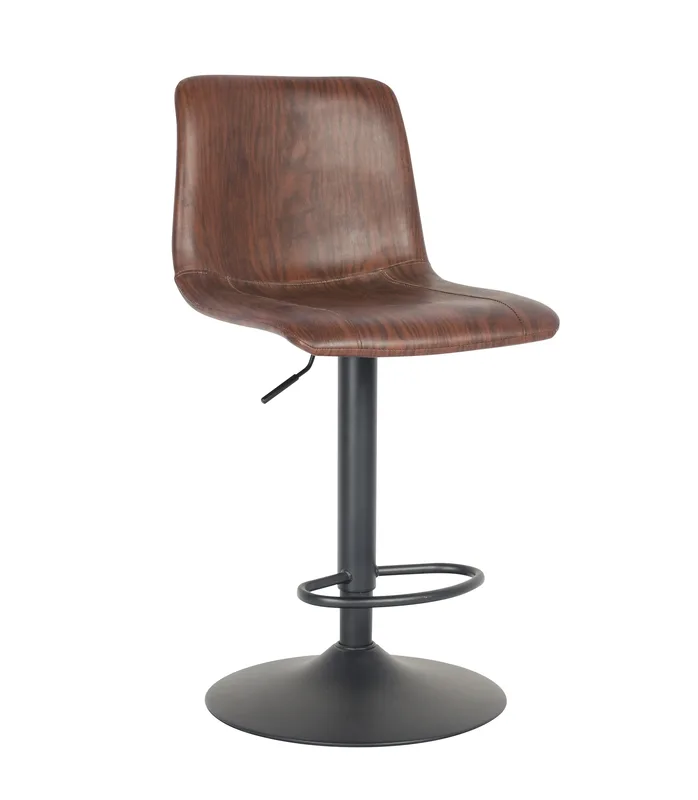 Iron Chairs
Foshanchair Iron Bar Chair
Powder-coated iron · Custom RAL · Get Quote
View model →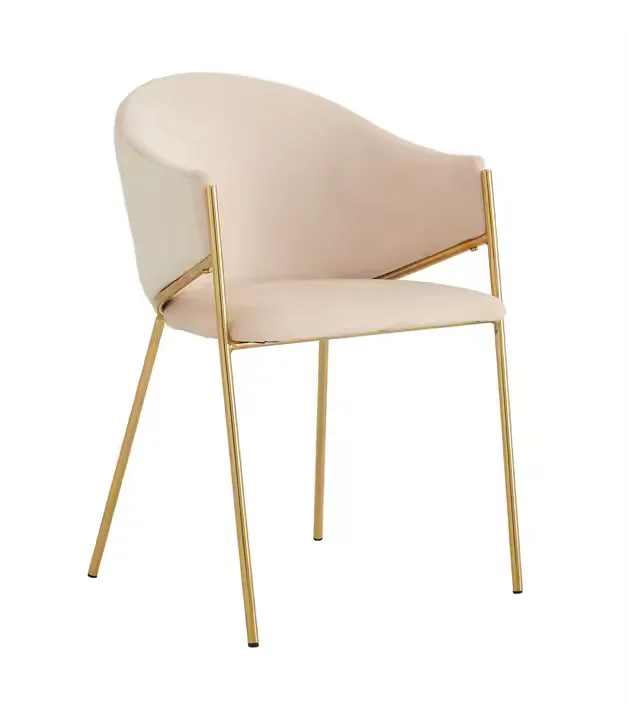 Stainless Steel
Foshanchair Golden Stainless Steel Dining Chair
Gold stainless finish · MOQ 10 pcs · Get Quote
View model →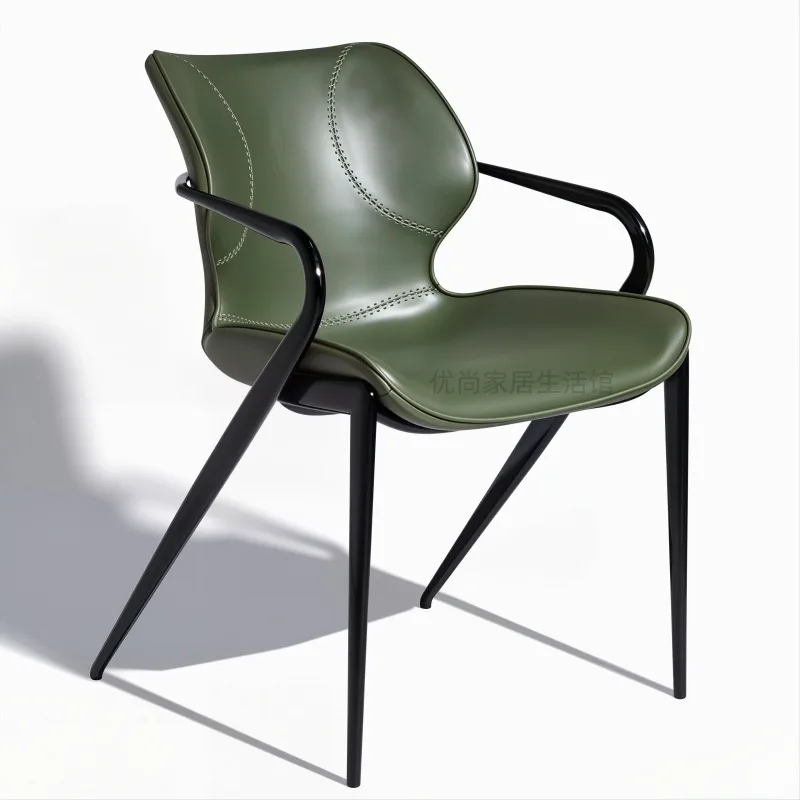 Metal Frame Chairs
Foshanchair PU Leather Dining Chair, Carbon Steel Frame
Carbon steel frame · MOQ 20 pcs · Get Quote
View model →