Stainless Steel Chair Care: Rust and Repair
Published by Foshanchair · Chair studio in Foshan, China
Stainless steel is usually sold as the low-maintenance choice, and next to powder-coated iron it is — but "stainless" means it stains less, not that it never stains. Hotels near the sea, poolside bars and any venue that sanitises hard will eventually find a brown bloom along a weld, under a foot cap or behind a glide on a commercial stainless steel chair. Almost all of it is reversible if you catch it early, and most of it is caused by cleaning chemistry rather than by the chair. This guide covers what breaks down, how to restore the surface, and which spares matter.
1. Why stainless steel still rusts
Stainless steel protects itself with a passive layer of chromium oxide a few atoms thick. Oxygen rebuilds that layer automatically, which is why a scratch on a sound chair disappears on its own. Four things stop it rebuilding. Chlorides — bleach, hypochlorite sanitiser, salt, some tile cleaners — attack the layer directly. Weld heat tint, the brown or blue discolouration around a weld, is a chromium-depleted zone that never had a proper passive layer in the first place. Free iron from carbon steel brushes, wire wool or grinding dust parked on the surface rusts within days and looks like the stainless itself is failing. And trapped moisture under dirt starves the surface of oxygen. Grade matters too: 304 with its 8–10% nickel resists all of this, while 201 with far less nickel rarely survives a humid or chlorinated room. Our 304 stainless steel dining chairs are specified for exactly that reason.
2. Cleaning that protects the passive layer
Use a pH-neutral, chloride-free cleaner on a soft microfibre cloth, then rinse with clean water and dry immediately — residue left to air-dry is what feeds corrosion. Avoid bleach and hypochlorite sanitisers, acidic tile cleaners, wire wool and abrasive metal polish. Sanitiser is the usual culprit in food service: respect the contact time on the label, then wipe it off and rinse, rather than letting it dry on the frame overnight. In hard-water areas, dry chairs after washing and finish with a thin film of stainless polish wiped along the grain. Wipe a brushed surface along the grain; a mirror-polished chair needs a non-abrasive cloth and no circular rubbing. Coloured PVD finishes such as gold and black are the exception to every polishing rule — neutral soap only, because the colour is a coating and damage to it is permanent. Our compact 304 backrest chairs are a good reference for the finish schedule we recommend.
3. Welds, joints and crevices: where corrosion starts
Corrosion on furniture steel rarely starts in the middle of a polished panel — it starts where two surfaces meet. Welds need pickling and passivation after fabrication; if that step was skipped, expect a rust line along a weld within months, and treat the weld, not just the bloom. Crevices are the second site: foot caps, glides, gaskets under a base plate, screw heads and the inside of tubular legs. Water sits there, oxygen cannot reach it, and pitting begins. A missing foot cap is worse than cosmetic — it turns the leg into a reservoir that rusts from the inside out. Run a dry white cloth test monthly across the underside, the welds and every joint; any rust trace means act now, while the damage is a stain rather than a pit. Nobody inspects the underside, and it is always the worst area. Check that fixings are tight at the same time — a loose joint flexes and grinds the passive layer away. Browse the full chair catalogue if you are replacing frames that have gone too far.
4. Removing rust bloom and repairing scratches
For surface bloom, work with a non-metallic abrasive pad along the existing grain direction — never steel wool, which leaves free iron behind and rusts overnight. Follow with a citric acid passivating gel: apply, leave for the dwell time on the safety sheet, agitate along the grain, then rinse thoroughly and dry. Every area you abrade must be re-passivated, or you have created a fresh chromium-depleted surface. Heavier staining responds to oxalic acid gel, rinsed well; nitric acid passivation belongs in a workshop, not a restaurant back-of-house. A real pit — measurable depth, black centre, rust tail — will not polish out. Clean and passivate it, monitor it at every service, and replace the part if it deepens, because pitting perforates tubular sections from the inside. Staged buffing restores most of a mirror finish but never matches the factory surface, and a PVD-coloured frame cannot be repaired at all. Keep a restoration kit on site: pads, passivating gel, neutral cleaner and microfibre cloths. Our mirror and coloured stainless chairs ship with care instructions for this exact routine.
5. Fasteners, glides and upholstery on steel frames
The frame is only as good as what is bolted to it. Carbon steel screws in a stainless frame create a galvanic pair, so the screw rusts and leaves a brown streak that looks like frame failure; specify A2 fasteners indoors and A4 for coastal or chlorinated settings, with isolating washers wherever stainless touches aluminium or mild steel. Glides are the next weak point: felt compresses, nylon flattens, and a worn glide lets the frame sit in whatever the floor was last washed with, so replace them when they flatten. Wipe the shell as well as the cushion, because spilled liquid runs down the frame and pools where the seat meets the rail, and pH-correct leather cleaner with a light conditioner beats furniture polish. Our high-end stainless dining chairs use bolted seat frames that lift off for exactly this inspection.
6. Spares, service calendar and PO clauses
For every hundred stainless chairs, budget five to ten per cent spare glides and foot caps, a box of A2 or A4 screws and bolts, and two or three cleaner and passivating kit sets. Then set a rhythm: daily dry wipe of touch points, weekly wash and coastal rinse, monthly weld and crevice inspection with the white cloth test, quarterly re-torque of all fixings, and an annual deep clean with worn patches re-passivated. Write the specification into the purchase order so the next delivery matches — state a single grade and ask for the mill certificate, require pickling and passivation after welding, name the fastener grade, and confirm glides, caps and spares ship with the order. Specify the finish as a standard, not a colour word: brushed grit or mirror, plus the code for any PVD shade. Our OEM and ODM programme ships spare kits with the original run.
Conclusion
Stainless steel fails in predictable places: in the cleaning chemistry, at welds that were never passivated, in crevices where water sits, and at carbon steel fasteners bolted into a stainless frame. Fix the chemistry first, inspect the underside monthly, re-passivate everything you abrade, and keep glides, caps and correct-grade screws in stock. Foshanchair builds 304 and 316 stainless steel chairs for restaurants, hotels and bars with pulled-and-polished welds, matched finishes and spares shipped with the order — request a quote with your seat count and site conditions, or read more about our Foshan factory.
Related: Restaurant Chair Maintenance Guide · Iron vs Stainless Steel Chairs
Models we build for this
Factory-direct pricing, custom finish and fabric, MOQ from a few pieces.
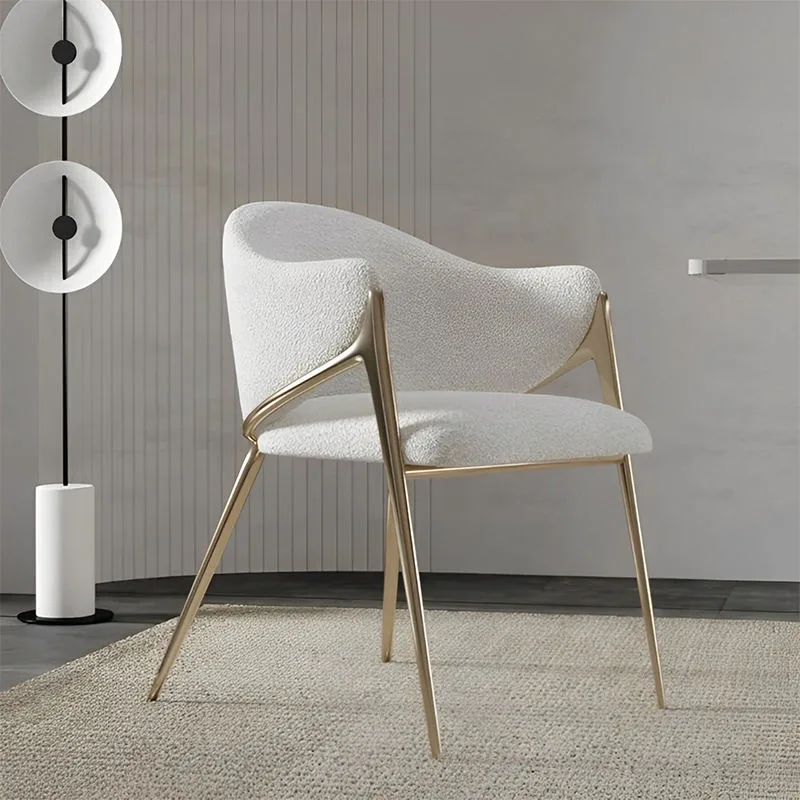 Stainless Steel Chairs
Foshanchair Luxury 304 Stainless Steel Dining Chairs
304 Stainless Steel · MOQ 6 pcs · $64
View model →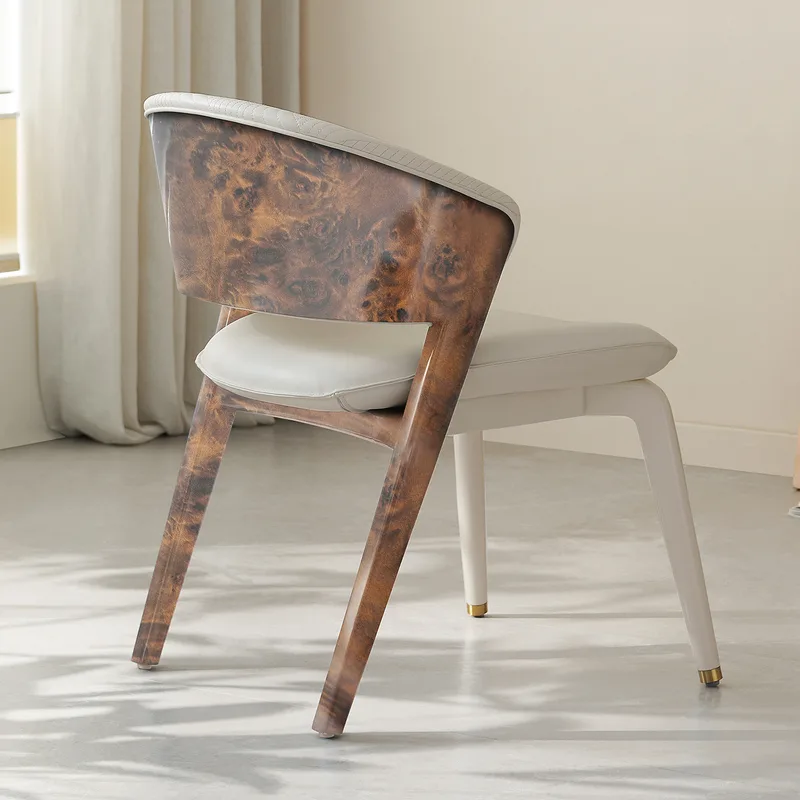 Stainless Steel Chairs
Foshanchair Golden Rose Stainless Steel Dining Chairs
Mirror Stainless Steel · MOQ 2 pcs · $120
View model →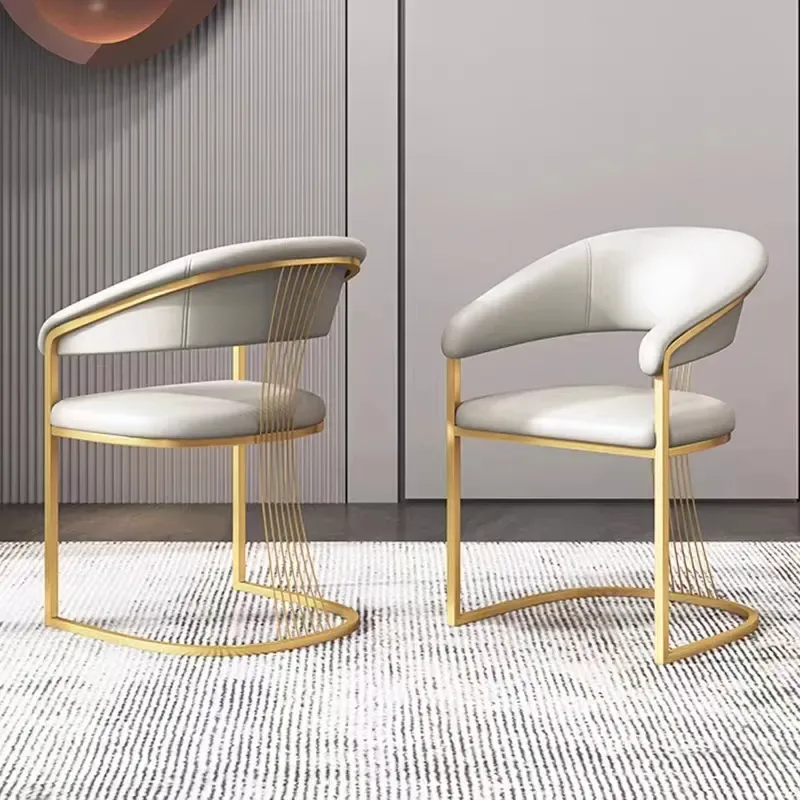 Stainless Steel Chairs
Foshanchair 304 Stainless Steel Backrest Chair
304 Stainless Steel · MOQ 50 pcs · Get Quote
View model →