Hotel Chair Rollouts: Buying Across Multiple Properties
Published by Foshanchair · Contract seating team in Foshan, China
A single restaurant orders chairs once. A hotel group orders the same chair five times, in five cities, over eighteen months, and expects a guest not to notice the difference. That gap between one order and a rollout is where most project furniture problems begin: the second property gets a seat that is two centimetres taller, the third arrives a shade darker, the fourth sits in a warehouse because the opening slipped. None of it is a manufacturing failure; it is a process failure. This guide covers the mechanics that keep a multi-property order on spec, using the same sequence we run with hotel and chain clients through our Foshan workshop.
1. A rollout is not a purchase order with a bigger number
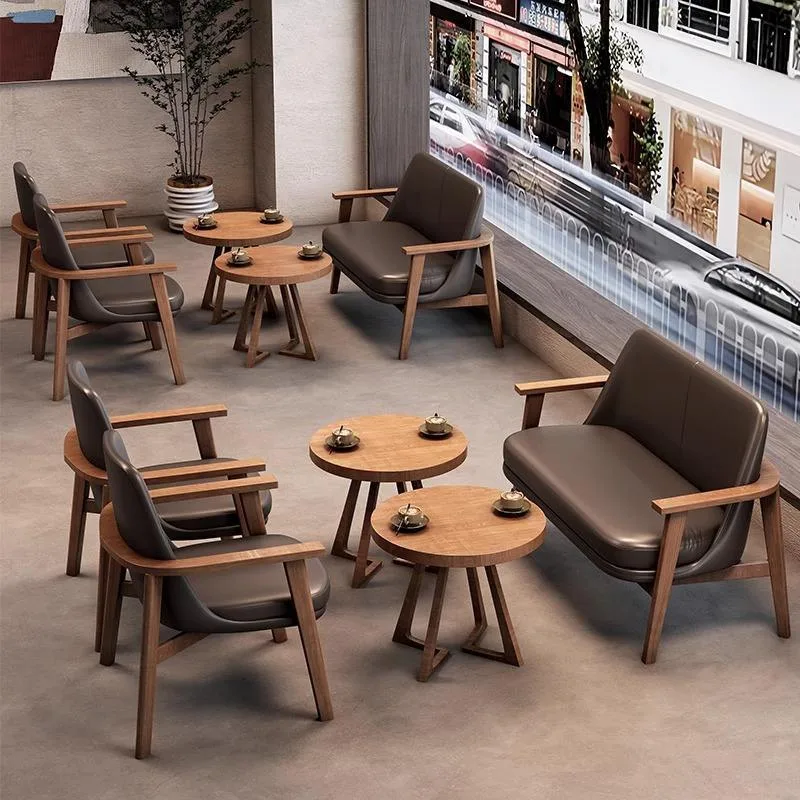
A rollout is a series of orders placed months apart, produced in different runs, shipped to different addresses and received by different people who never speak to each other. Three failures repeat on almost every project. Spec drift: the second property writes its purchase order from memory instead of from the approved sheet, and 45 cm becomes 47 cm. Batch variance: the fabric is re-ordered outside the original dye lot, or the powder coat is mixed to a fresh batch. Timing: the opening date moves and the chairs arrive with no dry, secure store to sit in. Start by mapping demand by area — guest rooms, lobby, all-day dining, meeting floors — because each area has its own chair, count and replacement rhythm. The arithmetic is in our seat count planning guide; the restaurant chair range shows what can realistically be standardised across those areas.
2. Lock one specification before multiplying it
The cheapest control on a rollout is a single approved specification with a revision number. Build it once: overall dimensions with tolerances, seat height, frame material and finish code, fabric reference and dye lot, foam density, load rating with the test standard named, packing method. Then approve a physical golden sample, keep a twin at head office and a third with the factory, and photograph it next to a tape measure from the front, side and underside. Every property order should reference the revision number, not re-describe the chair in prose; when someone asks for “a slightly taller back”, that is revision two and it needs the same approval again. Our sample approval checklist covers what to measure at that stage, and the OEM and ODM service handles the specification writing if you have drawings but no data sheet.
3. Keep production lots consistent, not just the model
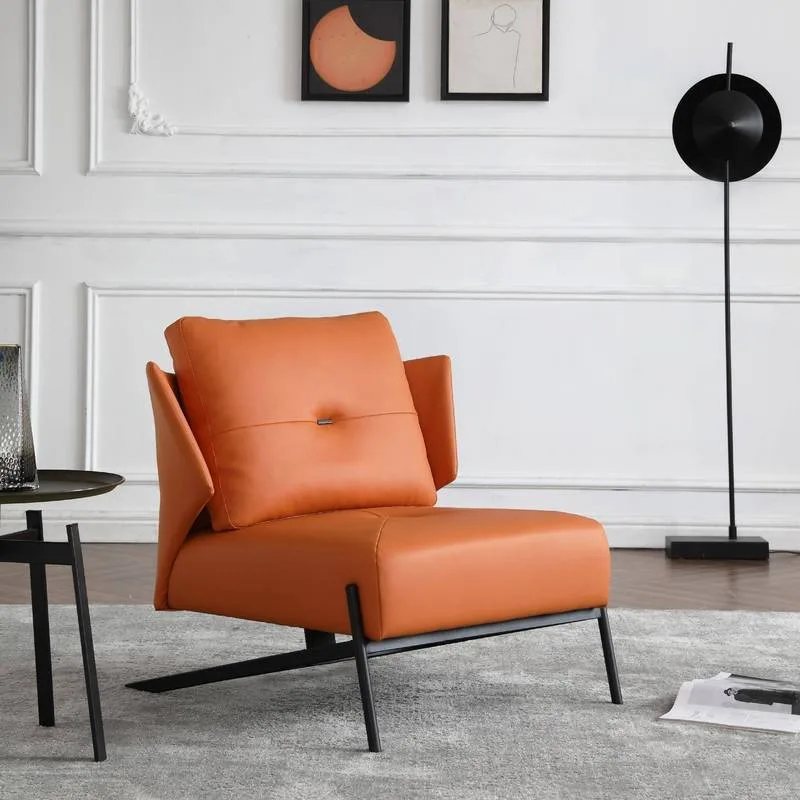
Two chairs can share a model number and still not match. Upholstery is dyed in batches, powder coat is mixed in batches, and foam from a different supplier feels different within weeks. On a 2,400-chair project split into four production lots of 600, the risk is not the first delivery but the fourth. Reserve and hold the fabric for the whole project up front, in one dye lot, and have the mill confirm the reserve in writing — a mill that “will rematch” later will not. Ask for the dye lot and finish batch printed on every packing list and carton label, so a mismatch can be traced to a lot instead of argued about. Our upholstery options guide explains how fabric, foam and finish are specified together, and the Hotel Leather Single Chair is a typical suite piece where lot consistency is visible.
4. Phase deliveries against opening dates, not shipping dates
Work backwards from the opening. Allow 30–45 days for production, 25–35 days for sea freight plus customs, and a 4–6 week buffer for the site being ready. That usually lands the order five to six months before opening, with the delivery window reconfirmed eight weeks out, because hotel opening dates move far more often than factories do. Deliver three to four weeks before opening: early enough for installation and snagging, late enough that the building is closed, dry and secure. Label every carton with property, floor and room type — the receiving team is not the buying team, and a container of unlabelled chairs becomes a two-day sorting exercise. Our export packaging guide covers carton marking, and arrival claims explains what to document if a phased delivery lands damaged.
5. Decide where the spares live
Spares are the item every rollout under-budgets and every property manager later begs for. Budget 5–8% of the total chair count and split it deliberately: roughly 3% held at each property for same-day swaps, and 2–3% in a central pool for discontinued finishes and cross-property replacement. The central pool matters most, because a finish discontinued in year two cannot be reordered in year four. Order every spare inside the same production lots as the main run — spares bought later will not match when they are finally used. Label them with project code, chair code, finish code and lot number, and store them off the floor in a dry room rather than a plant room. Our maintenance and spare parts guide sets out realistic consumption rates per hundred chairs per year.
6. Contract for call-offs, not for one shipment
A rollout needs one framework agreement and several call-off orders, not one giant purchase order. The framework fixes the specification revision, unit price, price validity of six to twelve months, reserved monthly capacity and the delivery terms; each call-off fixes quantity, property address and window. Name the test standard and severity once, in the framework, so property four cannot be held to a different reading than property one. Keep acceptance per property: a punch list signed at each handover, a twelve-month defects liability running from that date, and one named account manager on the supplier side who owns every call-off. Payment structure follows the same logic — our payment terms guide covers milestone structures that work for phased projects. Where a chain standardises on one chair across markets, test standards are worth fixing at the framework stage.
Conclusion
Rollouts fail on process, not on product: an unlocked specification, an unreserved fabric lot, a delivery timed to a ship rather than an opening. Fix those three and a five-property order behaves like a single one. Foshanchair builds hotel and restaurant seating from a few pieces per model, holds specification revisions and lot references against the project, and ships phased call-offs to multiple addresses. Send us the areas, counts and target openings, and we will put a specification and a phasing plan together.
Related: Custom Hotel Chairs: Matching Your Interior Concept · How Many Chairs Does Your Venue Need?
Models we build for this
Factory-direct pricing, custom finish and fabric, MOQ from a few pieces.