Export Packaging for Chairs: Cartons, Foam and Drop Tests
Published by Foshanchair · Chair manufacturing studio in Foshan, China
Every claim you will ever file against a chair order begins on the packing line. A container is not a gentle journey: cartons are stacked six or seven high for three to five weeks, the box takes the compression, the chair takes the impacts, and one strong jolt at a corner can crack a stile that passed every test in the factory. Packaging is also the cheapest place to lose or save money, because volume and damage both land in your delivered cost. This guide covers what to specify when you price chairs from the chair catalogue, what to test, and what to write into the purchase order.
1. Packaging has four jobs, and protection is only one of them
A useful packing specification covers four separate things. Contain the product at a known unit weight and carton count, so your forwarder quotes on facts rather than guesses. Protect the frame, the finish and the upholstery through handling, stacking, vibration and a corner drop. Identify the box: item code, colour or finish, PO number, carton one of N, gross and net weight, carton dimensions and the country of origin. Save space, because the box rather than the chair sets your freight bill — a frame that nests in 0.06 CBM instead of 0.12 CBM halves a container. When buyers ask why one solid wood dining chair costs less per unit delivered than another of the same price, the answer is usually here rather than in the timber.
2. Specify the carton the way you specify a part number
Write the board grade, the internal dimensions and the printing into the spec, then treat any change as a new approval. Export chair cartons are normally five-ply (double-wall) BC flute, or single wall for light folding models, with an edge crush test around 32 to 44 lb/in or a burst strength near 200 lb/in². That strength is what survives six weeks of warehouse stacking, so it is not the place to save three cents. Internal dimensions should follow the chair plus 20 to 30 mm of clearance for the foam, and the box should be tight enough that the contents cannot slide. For an iron chair frame, also print the stack limit and the this-way-up arrow. The most common failure is a silent downgrade: a supplier approves a good carton sample, then ships thinner board on the bulk order.
3. Foam, corner blocks and the parts that break first
Chairs rarely fail in the middle; they fail where the frame meets the floor and where the back meets the carton. Expanded polyethylene (EPE) foam at 20 to 30 mm on the four corners, the back legs and the top of the backrest absorbs most of that energy, and EPP does the same job for returnable racks. Solid corner blocks, an edge board on each side and stretch film around a stack stop cartons cutting into each other. Bubble wrap on its own is decoration: it compresses to nothing under load. Two details generate a surprising share of claims. Hardware first: tape a labelled bag containing bolts, washers and the tool to the underside of the seat, because a missing bag turns a finished chair into an unusable one. Then mixed materials: a 304 stainless steel chair frame will not rust at sea, but the carbon steel bolts and transit screws holding the back can.
4. Assembled, stacked or knock-down
The three options trade freight against labour, and the maths is worth doing before you choose. Assembled chairs ship as individual cartons at roughly 0.1 to 0.2 CBM each and arrive ready to sell, which is the default for retail. Stacked chairs nest, often six to eight to a stack: a stackable metal-frame dining stool suits venues where chairs move from storeroom to terrace every day. Knock-down frames ship flat and typically occupy 30 to 45 per cent less volume than the same chair assembled, which can be the difference between one container and two. The price is assembly time at destination and, on soft woods, a bolted joint that loosens sooner than a factory-glued one unless it uses a bolt through a bracket. If you choose knock-down, ask for instructions in your market language and a 2 per cent spares bag, and read our notes on chair stackability and storage first.
5. Moisture, sea air and the container itself
Wood leaves the factory at 8 to 12 per cent moisture content, and the ocean crossing is where that becomes a problem. A steel container sweats: outside temperature swings of 15 degrees or more across a three-week voyage condense water on the inside of the roof, which then drips onto the top layer of cartons. Kraft liners or desiccant bags hung along the container walls cost very little and prevent the mould and rusty fasteners a wet carton produces. Upholstery should be wrapped in a breathable bag rather than sealed in polyethylene, which traps the moisture it is meant to exclude. Wooden pallets and crates must be ISPM 15 heat-treated and stamped, because non-compliant wood packaging is grounds for a hold at destination. Confirm any OEM marking and labelling requirements before the cartons are printed, not after.
6. Drop tests, inspection and the clauses that enforce them
Before the bulk run, test the pack rather than the chair. One carton of each SKU, filled and sealed exactly as production will be, dropped once on a bottom corner and once on an edge from about 76 cm (30 in) for boxes under 9 kg, falling to roughly 53 cm (21 in) at 18 to 27 kg, tells you almost everything a full ISTA 1A or 3A protocol would; add a vibration or rolling test if the route includes rail. Then make the inspection cover the packed unit: an AQL sample checked for carton grade, foam placement, hardware bag, marks and carton count, with photographs of the loading, is worth more than a report on unpacked chairs. Put it in the PO as an annex — board grade and dimensions, foam and corner protection, marking artwork, drop test report, loading photographs and a claim window of 30 days from arrival with a photo protocol. Our chair test standards guide explains how product and packaging tests fit together, and the same discipline applies to any commercial restaurant chair order.
Conclusion
None of this is exotic. It is simply the part of the order most buyers leave to the factory and then argue about when a container arrives tired. Ask for a packing drawing, a carton sample and one drop test before you approve the bulk run, put all three in the purchase order, and photograph the loading. If you are planning a first order and want the packing spec built into the quotation — board grade, foam, marks, assembled or knock-down, and the container maths — send your model, quantities and destination port through our contact form and we will price it packed, not loose.
Related: Chair Sample Approval Checklist Before Bulk Production · Importing Dining Chairs from China
Models we build for this
Factory-direct pricing, custom finish and fabric, MOQ from a few pieces.
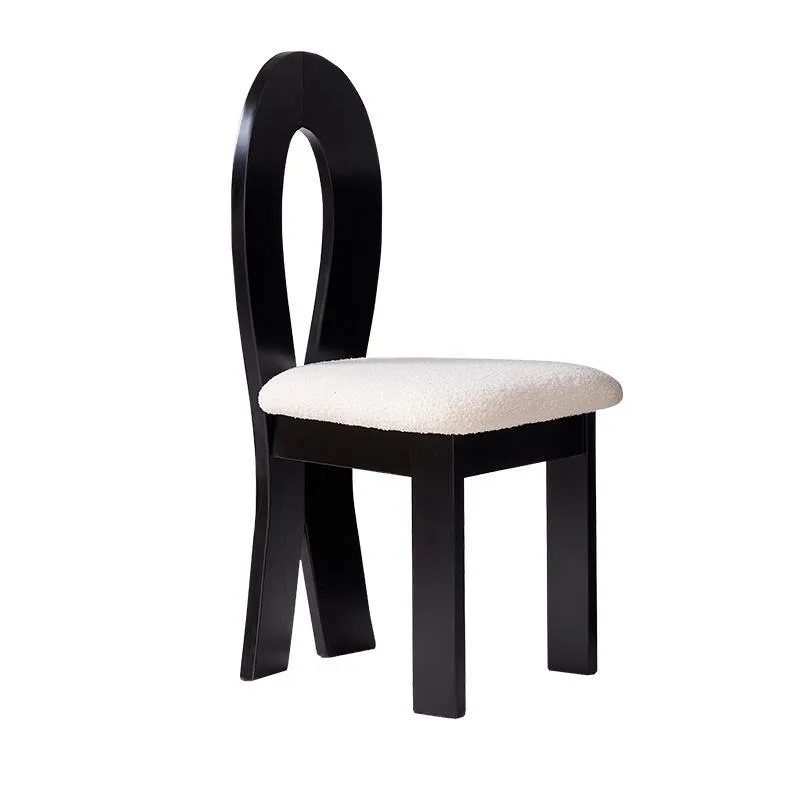 Wooden Chairs
Foshanchair Modern Wooden X Cross Back Stackable Dining Chairs
Solid wood · MOQ 6 pcs · $55
View model →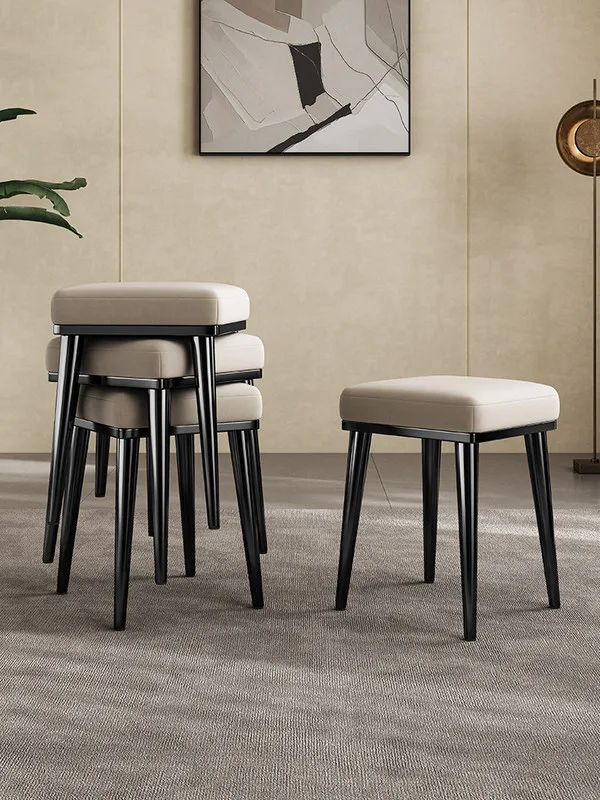 Iron Chairs
Foshanchair Nordic Metal Leg Stackable Restaurant Dining Stools
Metal frame · MOQ 6 pcs · $68
View model → Stainless Steel Chairs
Foshanchair Minimalist Stainless Steel Frame Dining Chairs
Stainless steel · MOQ 4 pcs · $75
View model →