Fabric Labels for Upholstered Chair Imports
Published by Foshanchair · Upholstery and compliance desk in Foshan, China
A label costs two cents and can stop a container. Upholstered chairs carry a textile product on their back, and in most markets that textile has to declare what it is made of, in a language the shopper reads, on a label that survives cleaning. Factories rarely get this wrong on purpose; they get it wrong because the label was never in the specification, so the trimmer sewed whatever the last customer used. This is the checklist we work through when a buyer orders a leisure chair range, and the clauses that keep the label right on the second and third reorder.
1. Decide which parts of the chair are textiles
Only the fabric counts. On a typical dining chair that means the seat and back covers, any piping cut from the same roll, and a textile-backed mesh if you use one. The frame, foam, webbing, glue and fixings are not textile products and stay out of the percentage calculation, which is why a “100% polyester” chair can still be 60% steel by weight. Coated fabrics are the awkward middle case: the base cloth is declared as fibre, the coating is named separately and never added into the percentages. Get that scope written down before anyone prints, because a label that folds coating weight into the total is wrong in both markets. It is the same discipline as agreeing finish codes on a velvet dining chair before production.
2. The EU label: composition, language, tolerance
Regulation (EU) No 1007/2011 is the reference most European buyers work to: fibre names from the regulation’s own list of generic names, in descending order by weight, percentages that add up, and the whole thing in the official language of the member state where the chair is sold — five or six versions for a pan-European range. Two points cause most rejections. A “100%” claim is only available where extraneous fibre falls inside the small allowance the regulation sets, so do not print 100% cotton on a mill declaration reading 97/3. And a tolerance for manufacturing variation is not a licence to name the wrong headline fibre: if the mill moves from a 65/35 to a 70/30 blend, the label moves with it. The label also has to be durable, legible and attached to the article rather than buried in a polybag, which is why a woven label beats printed satin.
3. The US label: fibre, origin and an RN number
In the United States the Textile Fiber Products Identification Act does the same job with different mechanics: fibre generic names in descending order by weight, percentages to the nearest whole number, the country of origin, and a business identity — your company name or an RN number issued free by the Federal Trade Commission, which takes a few weeks, so apply before the first shipment. Fibres at 5% or less may be grouped as “other fibre” unless they are functionally significant, and elastane is the classic case you must name at 3%. Separately, customs wants the origin marked on the chair itself, so “Made in China” belongs on a permanent mark, not only on the fabric label and carton. Care instructions under the US care labelling rule are aimed at apparel and not normally demanded for upholstery, but retailers ask anyway — a commercial requirement, not a legal one. Our fabric dining chairs ship with the US label set only when the order asks, and that request has to be on the purchase order.
4. Leather, PU and coated fabric: where labels go wrong
Genuine leather is not a textile fibre product, so a hide chair carries no fibre percentage — it carries an accurate description of the material, which is where marketing language outruns the goods. “Bonded leather” is leather fibre bonded with a binder, not a full-grain hide, and calling it leather without qualification is the kind of claim that ends in a returns problem or a regulator’s letter. Polyurethane and PVC covers are different again: the base cloth is a textile and gets a fibre declaration, while the coating is named as polyurethane or PVC and kept out of the percentages. Microfibre suede is polyester or polyester-polyamide, not “suede”. Read the material as you would read the grain and finish grades in our guide to leather grades for chair upholstery, then write the label to match what was actually bought, not the catalogue headline.
5. Fix the position, the printing and the cleaning test
Sew the label where it can be found and cannot be rubbed: the underside of the seat on the dust cover, or the inside of the back under the cushion. Never on the show face, never where a skirt or welt crosses it, never stapled through the cover. Printed satin fades and cracks; a woven damask label costs a few cents more and still reads after twenty cleaning cycles. Test it before bulk: rub the label with a solvent-soaked cloth for the cleaning code you are declaring, and if the care instructions say dry clean, use the solvent your retailer actually uses. Every market that needs its own language needs its own label, so build a label matrix for the programme — market, language, composition string, care set, artboard number — and treat it as part of the carton specification rather than a note to the trimmer. It belongs in the same document as the carton marks and drop-test rules in our chair export packaging guide, because both are things a factory will otherwise improvise per run.
6. Keep composition honest across reorders
Composition has to travel with the fabric, not the model number. Put the mill, article code, colourway and declared composition on the purchase order; ask for the mill declaration with the shipment; and test once per article when the money is large or the retailer is strict. ISO 1833 gives the quantitative chemical method and AATCC 20 and 20A the qualitative and quantitative routes, both roughly a hundred dollars and a week at a Chinese lab — trivial against a relabel of two thousand chairs. Then write change control into the contract: any substitution of mill, article or blend requires a new test, a new label and written approval, and the factory may not use a nearest-equivalent roll to keep a line running. That clause sits naturally beside the ones in our chair supply contract clauses, and it is the only thing that stops the label drifting two blends behind the fabric.
Conclusion
Four things belong in the specification: the scope of what counts as textile, the composition string per market with its language set, the label position and printing method with a cleaning test behind it, and a change-control clause that forces a retest when the fabric changes. None of it is expensive, and all of it is invisible until a retailer holds a delivery — then the relabel and the air freight cost more than the labels ever did. If you are building an upholstered range and want the label artwork approved with the golden sample, send us the models and markets and we will quote the labels with the chairs.
Related: Leather Grades for Chair Upholstery · Chair Chemical Compliance: REACH and Prop 65
Models we build for this
Factory-direct pricing, custom finish and fabric, MOQ from a few pieces.
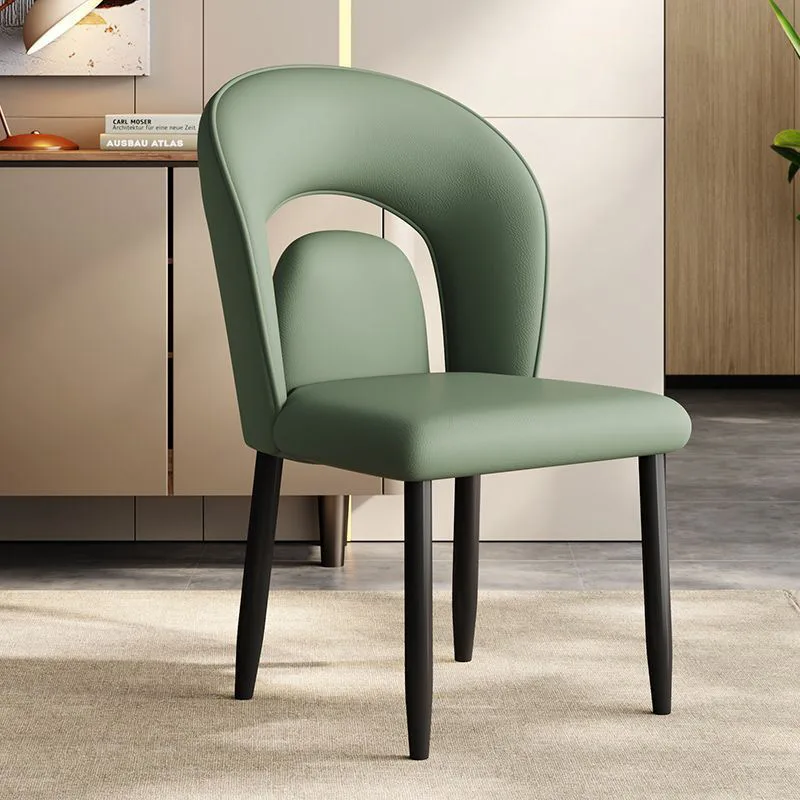 Iron Chairs
Foshanchair Dark Grey Velvet Dining Chair
Velvet cover · MOQ 6 pcs · $26
View model →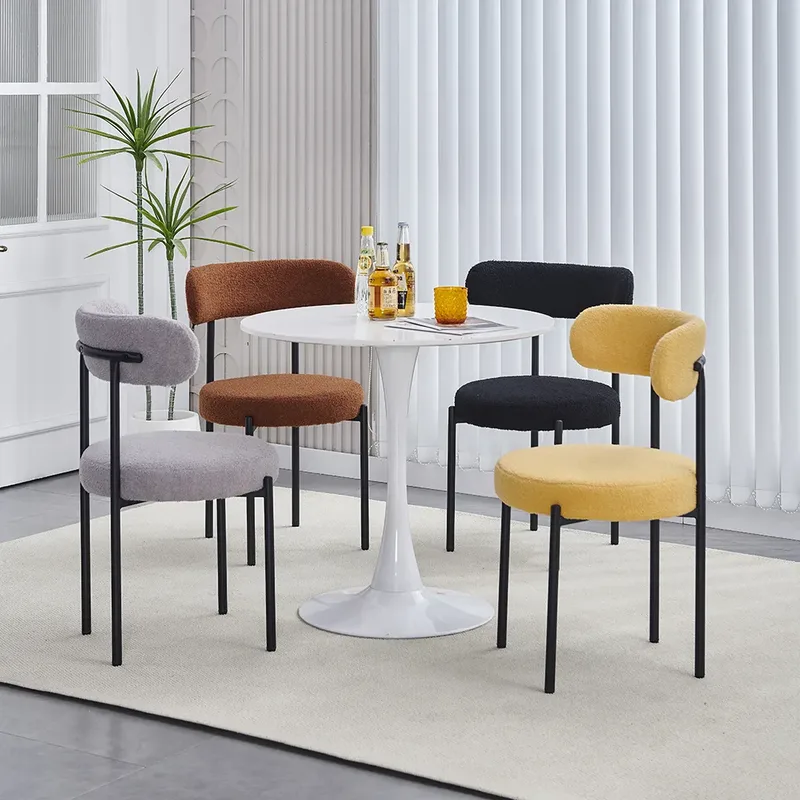 Iron Chairs
Foshanchair Metal Frame Fabric Dining Chair
Fabric over metal frame · MOQ 10 pcs · $38
View model →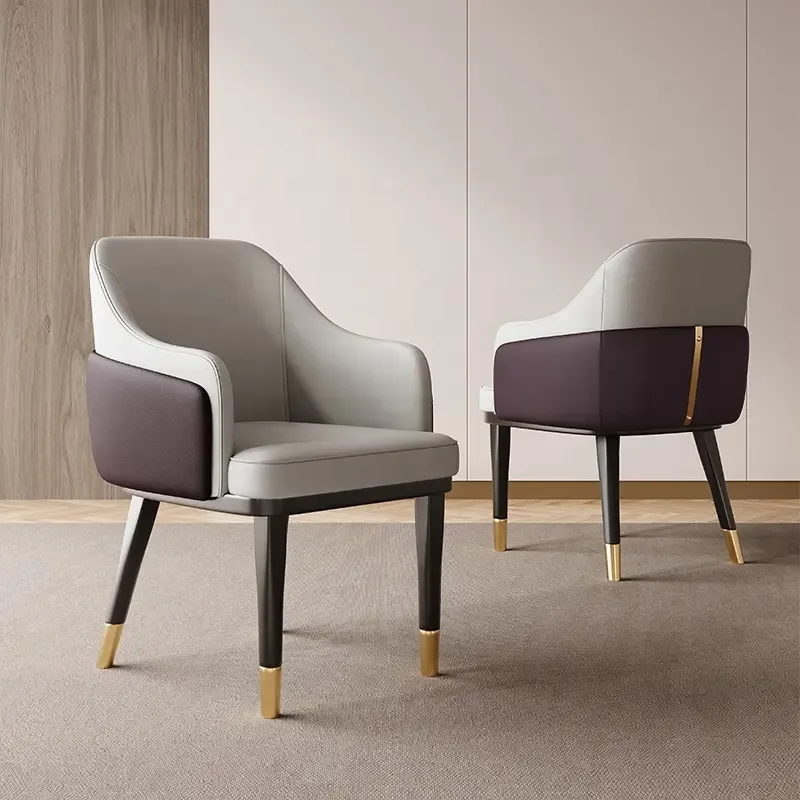 Wooden Chairs
Foshanchair Velvet Upholstered Dining Chair
Ash wood · MOQ 50 pcs · Get Quote
View model →