Chair Supply Contracts: Clauses That Matter
Published by Foshanchair · Contract desk in Foshan, China
A purchase order carries a model number, a quantity and a price. It does not carry the things that decide whether the chairs arriving in eleven weeks are the chairs you approved. Those live in the supply contract and in the annexes that hang off it. Most of the disputes we see as a chair manufacturer in Foshan are not arguments about quality in the abstract — they are arguments about what the paperwork never said. Six clauses, in the order they tend to cause trouble.
1. Put the approved sample inside the contract
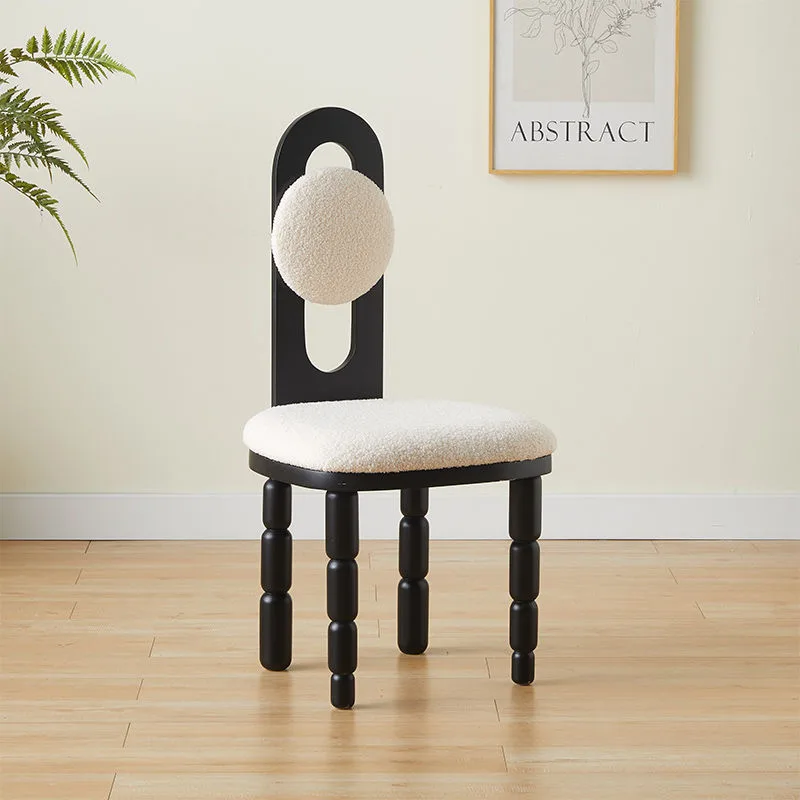
An approved sample in a box in your office is evidence only if the contract points at it. Make the specification Annex A — model, dimensions with tolerances, species and grade, moisture content, finish reference, fabric reference, foam density, hardware grade, packaging — and the sealed sample Annex B, signed and dated by both sides, with three photographs (front, underside, one joint) attached. Then add the sentence that settles most arguments: where the annex and the catalogue disagree the annex prevails, and where the annex is silent the sealed sample prevails. Our sample approval checklist is written to become that annex, and a solid wood dining chair page shows the level of detail worth writing down.
2. Name the six things that get substituted
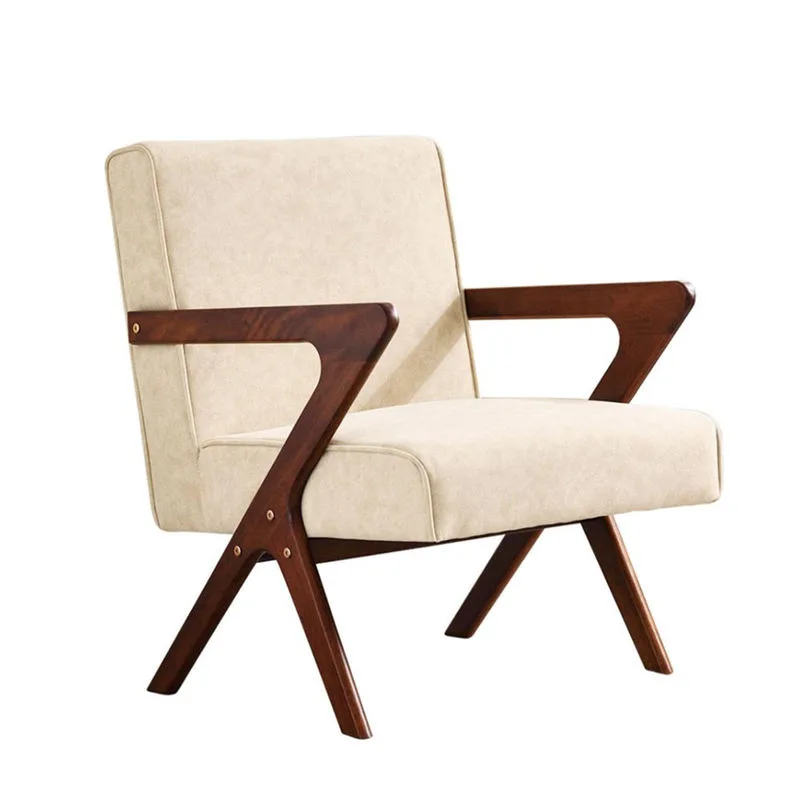
Substitution is rarely a switch to a different model; it is a quiet change inside the same model. Pin down the species and grade (ash is not rubberwood with a stain), moisture content at 8–12% for export, foam density in kg/m³ rather than “high density”, fabric by brand, pattern number and colourway with an agreed lot tolerance, hardware grade (304 screws and inserts, not 201), tube wall thickness on metal frames measured at an open end, and the finish system by name and dry-film thickness. Write “or equivalent only with written approval” instead of “or similar”. Our notes on metal frame finishes explain why one RAL number can arrive in two gloss levels from two suppliers, and a fabric-upholstered accent chair is a useful test case for how much of the price sits in the cover.
3. Inspection rights, and when the balance is due
Tie the balance payment to an inspection you control, not to a set of photographs. The clause needs five things: inspection before loading, at the factory; a sampling basis, either every carton presented or an agreed AQL; the right to re-inspect after rework at the supplier’s cost; the right to refuse loading, with the deposit applied to rework rather than lost; and a fixed window, five to seven working days, for you or your agent to attend. Name the third-party inspector if you use one, and say who pays for a failed re-inspection. Keep the test evidence too — an EN 16139 or BIFMA X5.1 report that names the exact model, not the family. Reading those reports is covered in chair test standards, and the site visit that supports them in our factory audit checklist.
4. Delivery dates that mean something
Lead time should start when the last of three things reaches the factory: the deposit, the signed sample and the final artwork or fabric. Otherwise the clock starts at the PO and every approval delay becomes the supplier’s excuse. Put the trigger in writing, count in working days rather than weeks, and name the Chinese New Year cut-off for orders placed in the fourth quarter — a factory closed for three weeks in February will not compress the schedule to save your opening date. Add liquidated damages at 0.3–0.5% of order value per week late, capped at 5%, and a force majeure definition that lists events instead of the phrase “any cause beyond our control”. Payment structure is set out in chair order payment terms, and the wider schedule in importing dining chairs from China.
5. Warranty, spares and the remedy ladder
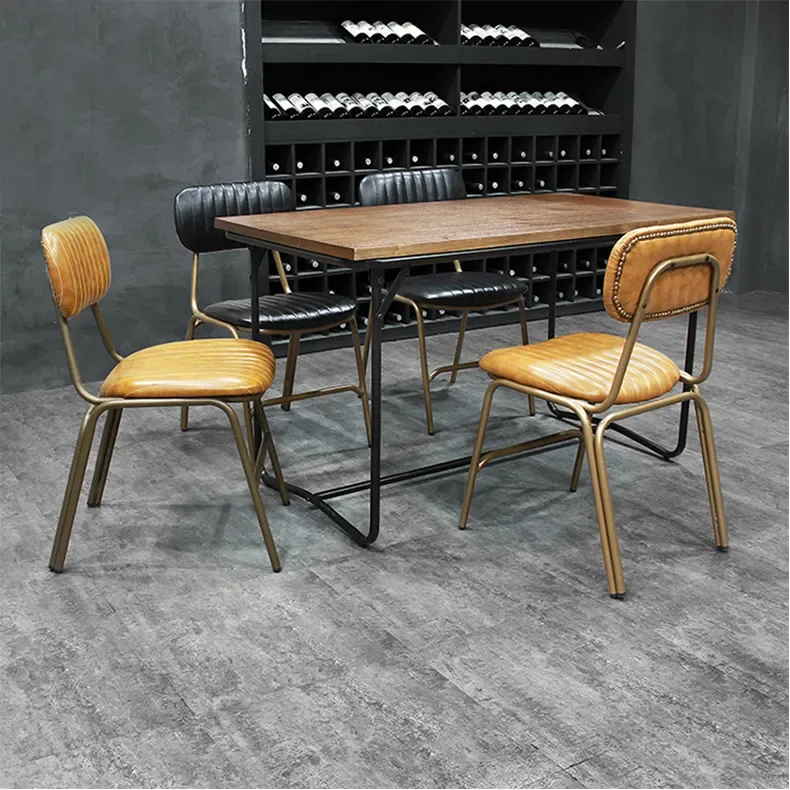
Split the warranty by what actually fails: frame and structure three to five years, foam and suspension two, cover and finish one to two, with exclusions listed — chemical cleaning, indoor chairs used outdoors, loads beyond the stated rating. Then require spare parts for five years after the last shipment: glides, bolts, inserts, seat pads and one matched roll of fabric or leather held against future re-orders. Finally, agree the order of remedies so a claim does not become a negotiation: repair or replace at the supplier’s cost, then credit note, then — rarely — return. Every step needs a clock: acknowledge within five working days, parts shipped within thirty. A leather dining chair on a metal leg is the typical case, since the cover wears out long before the frame does. The receiving end of all this is in chair arrival damage claims.
6. Ownership, exclusivity and where a dispute is decided
If you paid for tooling, say the tooling is yours, stored at the factory and returnable on request; if you paid for a design, the drawing files and the right to re-make are yours. Exclusivity is worth having only with conditions attached — market, product, period and a minimum annual volume — otherwise it is a promise nobody enforces. On disputes, Chinese suppliers will propose CIETAC arbitration in China; that is enforceable in most trading partners under the New York Convention and is usually the practical choice, but agree the seat, the language and who bears the cost. Above all, sign in a way that binds the entity that invoices you: the company chop and the unified social credit code on the contract should match the code on the invoice and the bank account. Our guide to protecting custom chair designs covers the registration side, and qualifying a second supplier is the commercial hedge for when a contract is not enough.
Conclusion
A contract does not need to be long; it needs to point at the right annexes and put a clock on every promise. Sample as annex, six substitution points named, inspection before the balance, a lead time with a defined start, a warranty split by component, and an arbitration seat you can live with — a page and a half of paper that decides most of what happens in the next ninety days. If you would rather draft the specification before you negotiate, send us the model and the quantity and we will build the annex with you.
Related: Chair Order Payment Terms · Protecting Custom Chair Designs in China
Models we build for this
Factory-direct pricing, custom finish and fabric, MOQ from a few pieces.