Qualifying a Second Chair Supplier
Published by Foshanchair · Chair manufacturer in Foshan, China
Every seating programme reaches the same question eventually: what happens if this factory cannot deliver. A fire on the powder line, a lunar new year that runs long, or simply a larger client taking your production slot — any one of those turns a single-source programme into a missed opening date. The answer is not to shop the whole catalogue around. It is to qualify a second source on one defined model, at a known price, with the tooling question settled in writing, and to do it while nothing is urgent.
1. Dual sourcing is a line item, not a loyalty test
Put a number on it before you start. A qualification sample costs US$150–600 depending on the build; duplicated tooling runs from a few hundred dollars for wooden jigs and CNC programs to US$2,000 for metal bending dies and weld fixtures; and splitting an order between two factories costs 3–8 per cent on unit price because neither gets the volume discount it would have had alone. Against that, one missed season is not a percentage. The sensible target is narrow: identify the 20–30 per cent of SKUs that carry 70–80 per cent of revenue — usually a house commercial restaurant chair or a workhorse metal frame like our hotel restaurant metal dining chair — and dual source only those. The long tail stays single sourced: qualifying everything is how dual sourcing gets its reputation for being expensive.
2. Freeze one model before anyone quotes a price
The biggest reason two quotes sit 20 per cent apart is that they describe two different chairs. Before the second factory sees a price sheet, the model has to exist as one frozen document set: a dimensioned drawing, a bill of materials with species and grade per part, tube diameter and wall thickness for metal frames, finish given as substrate, pretreatment, colour code and gloss, foam density and ILD, fabric with an abrasion figure against a physical swatch, and a packing drawing with carton dimensions, gross weight and pieces per carton. Quoting to the same file produces comparable numbers; quoting to a photo produces a conversation. It is the same discipline as preparing a chair design file, and worth applying to the incumbent too.
3. Audit the process, not the showroom
A showroom tells you what a factory can do on a good day. The line tells you what it does on a Tuesday in November. Four stops matter. Welding: are frames built in hard fixtures, or tacked free-hand and straightened afterwards? Machining: is there a kiln on site, and does the operator meter moisture at the machining stage, in the 8–12 per cent band, or is the meter in a drawer? Coating: count the pretreatment stages before the powder booth and ask for oven records — a two-stage wash with no conversion coating is the difference between five coastal seasons and rust creeping out of the weld. Final QC: a station with a light, a template and a signed checklist, or does the owner inspect at loading? Read the last three shipments’ inspection reports for failure categories, not the pass rate. Our chair factory audit checklist is built around these stops, and meant to be used on your existing supplier first, so you have a baseline.
4. Tooling, patterns and who owns what
This is the clause that decides whether dual sourcing is reversible. For wooden chairs the assets are jigs, templates, sample patterns and the CNC programs; for metal, bending dies and weld fixtures; for upholstery, cutting dies and the pattern set that defines seam allowance. Write down that they are the buyer’s property, available to move on 30 days’ notice, stored free for a stated period if the programme pauses, and that drawings travel with them. Pay for tooling up front as a separate line rather than amortising it into the unit price: amortisation looks cheaper and is impossible to prove later, because once the cost is inside the price there is no invoice showing what you own. Our guide to chair mould and tooling cost breaks down what a new model genuinely requires, and the OEM team quotes tooling separately so it can be compared like for like.
5. Where two factories quietly drift apart
The real cost of a second source is not the sample; it is drift. Two factories can both claim to build the same chair and still ship different ones: powder from another lot half a shade away, stain mixed to a control panel nobody signed, foam at a different density so the seat reads soft after a month, a substitute bolt grade. Sign a golden sample and keep three — one at each factory, one sealed in your office. Share the same part numbers for hardware, foam grade and glides. Measure ten units per shipment against the sample, compare colour under D65 light rather than factory tube light, and keep a cross-factory panel of a leg, a seat and a back. The colour routine is the one in chair colour matching across reorders, and it matters more when the cover is upholstered, as on our upholstered solid wood bar stool. Check the first three shipments from a new source at 100 per cent, then step down to sampling.
6. Split the volume so the second source survives
A supplier with no orders is not a backup. Allocations of 70/30 or 80/20 are normal, and the working rule is that the second factory needs a real order two to three times a year, or the relationship goes cold and the lead time you thought you had resets to day one. Ramp in three steps: a 30–50 piece trial, then 20–30 per cent of a season, then hold. Keep everything else identical — the same order terms, warranty wording, inspection level, carton print and pallet pattern, so your warehouse puts pallets away without thinking. Send each specification revision to both on the same day, and version the file. Be open that you dual source: factories plan capacity better when they know where they stand, and one that threatens to walk has told you something useful. What you do not hand over is your cost file. Terms are covered in chair order payment terms, and the gate before either factory runs is the sample approval checklist.
Conclusion
Qualifying a second chair supplier costs one sample per model and a day on the line, and it buys the difference between a delayed season and a cancelled one. The sequence is short: freeze the spec, audit the process against a baseline, own the tooling in writing, control drift with a golden sample, keep the second source alive with real volume — none of which requires moving away from the factory that works today. Send the model you are most exposed to through the contact form and we will quote it against your specification as a benchmark, tooling and packing included.
Related: Chair Factory Audit Checklist · Chair Colour Matching Across Reorders
Models we build for this
Factory-direct pricing, custom finish and fabric, MOQ from a few pieces.
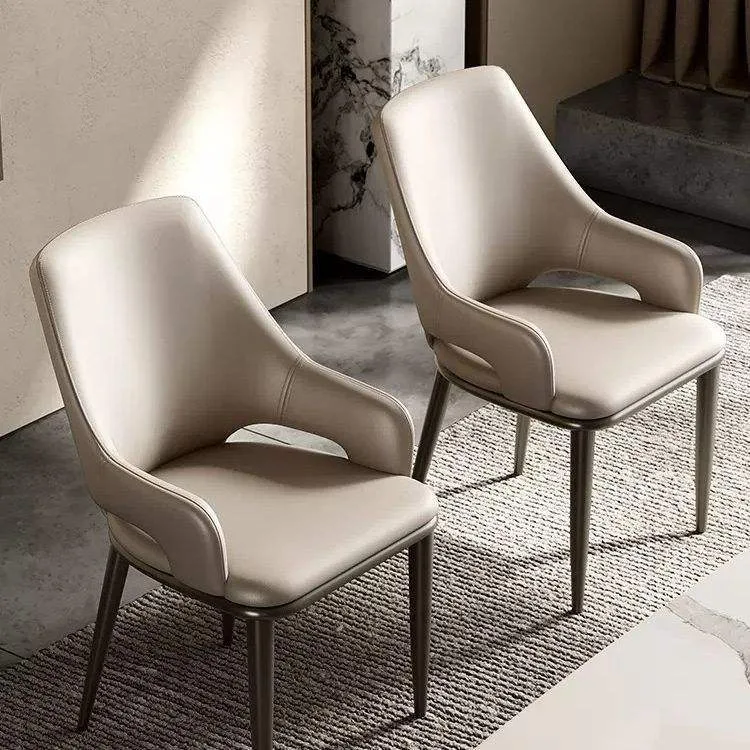 Iron Chairs
Foshanchair Italian Nordic Leather Dining Chairs
Metal/Leather · MOQ 6 pcs · $24
View model →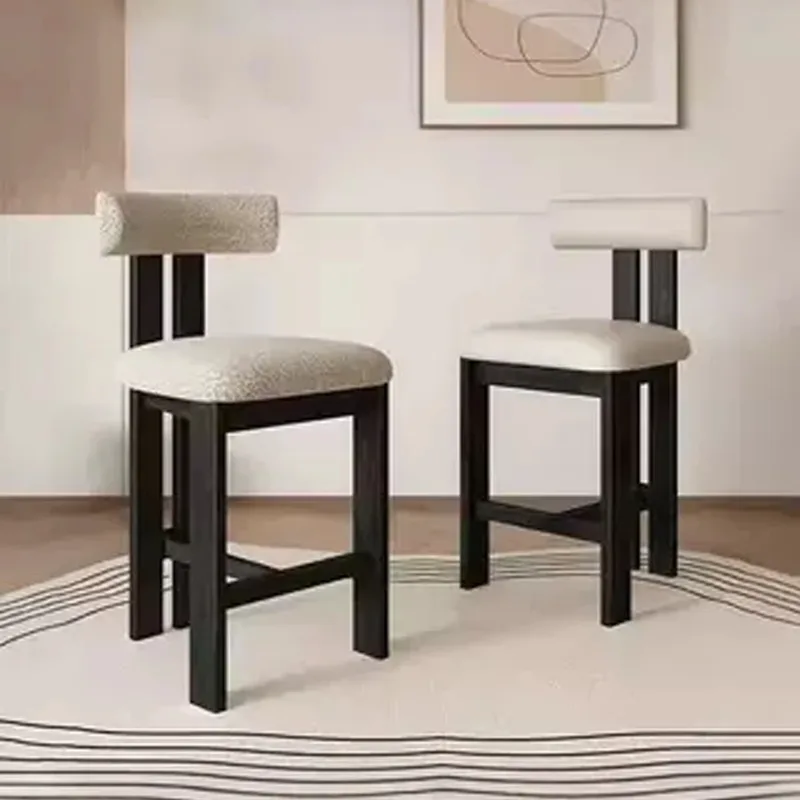 Bar Stools
Foshanchair Modern Solid Wood Bar Stool Fabric
Solid wood · MOQ 6 pcs · $75
View model →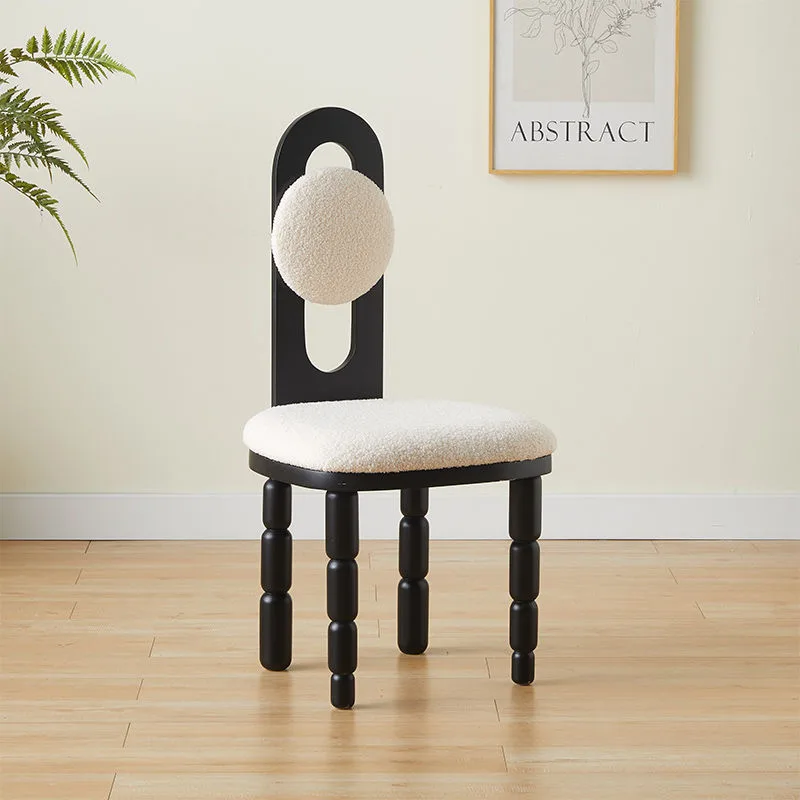 Wooden Chairs
Foshanchair Wooden Dining Chair End Dining Room
100% Solid Wood · MOQ 6 pcs · $65
View model →