Protecting Custom Chair Designs in China
Published by Foshanchair · Chair manufacturer in Foshan, China
A chair you paid to develop can be on a competitor’s website before the first container clears port. It rarely leaves through the factory owner. It leaves through a sample room that photographs everything, a tooling shop that keeps the drawing, an upholstery cutter who keeps the pattern, or a salesperson who moves to another factory and takes the catalogue along. Your protection is mostly registration and paper, both cheap before launch and expensive after. Here is what to file, what to sign, where the design leaks, and what enforcement costs when it does.
1. What you own, and what you only think you own
Three rights apply to a chair, and buyers usually buy only the weakest. Copyright exists on drawings and photographs the moment they are made, but in China a registration certificate from the Copyright Protection Center is what proves the date — and what platforms ask for. A design patent, waiguan sheji, protects the appearance itself: 15 years from filing, examined only for formalities, granted in four to eight months. A class 20 trademark protects the name on the frame, not the shape. None of them protect a typology: a bentwood bistro chair, a Windsor, a plain cross-back belongs to everyone, and a certificate claiming one dies at the first prior-art search. What you can own is the specific variant — proportion, back profile, arm curve — and only if the drawings show it clearly. Our solid wood chair range shows how much of each model is inherited and how little is genuinely new.
2. File the patent in your own name, first
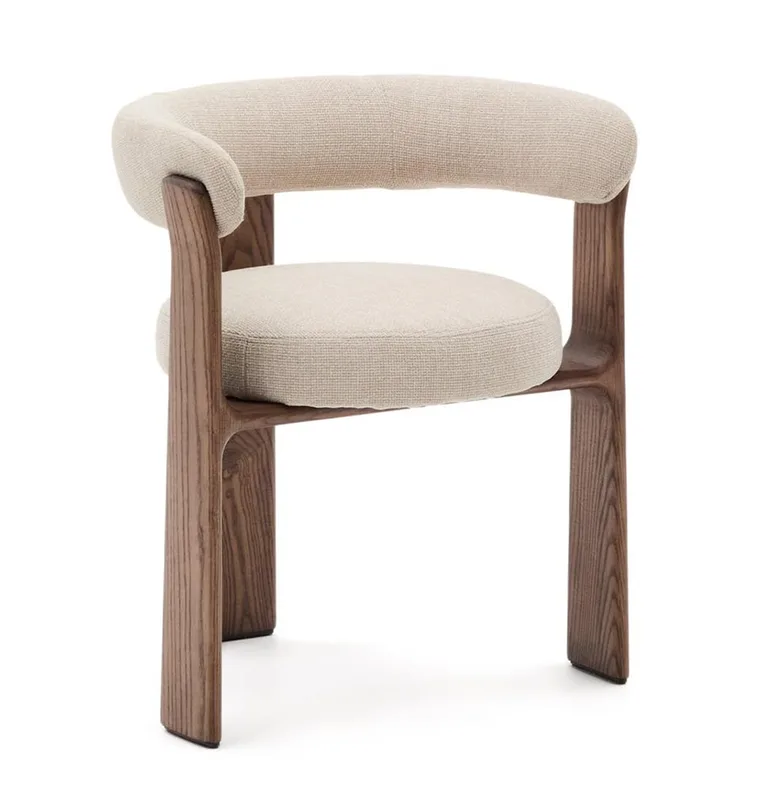
The commonest mistake is letting the factory file. On a Chinese design patent the applicant on the certificate is the owner, and a factory that files on your design can license it back to you, license it to your competitor, or refuse to assign it until you pay. Put your own company on the application, through an agent, before the drawings leave your office. The filing needs six orthographic views plus a perspective, clean line drawings with features consistent across views, and a short description; photographs with a showroom behind them weaken the scope. Budget a few hundred US dollars in agent fees per design and a small official fee. A Chinese filing also gives six months of Paris Convention priority to file in the US or EU. Prepare the drawings once, properly: the conventions are set out in preparing a chair design file, and a resolved profile like this customised ash dining chair is worth patenting because it is specific.
3. Four clauses that decide who wins
A patent without a contract is a weapon you must go to court to use; a contract without a patent is a promise. Four parts do the work. A confidentiality clause signed before the first drawing, with the scope defined — drawings, BOM, tooling, supplier names — and a term surviving the order by three to five years. An assignment clause stating that intellectual property in the design and the tooling vests in the buyer, because Chinese law wants an explicit assignment, not a general work-for-hire statement. An exclusivity window: no manufacture or sale of this design or colourway in your territory for a set period, with a carve-out the factory can live with. And a liquidated damages figure, because without a number a breach costs nothing. Add arbitration — CIETAC, SHAC or HKIAC, whose awards travel under the New York Convention — rather than local litigation, and settle tooling custody on the terms in chair mould and tooling cost.
4. Where designs leak, and how to slow it down
Leaks follow the number of hands on the file. The pattern cutter keeps a copy of the seat template because asking is slower. An outside tooling shop holds the mould and can quote the same chair to anyone. The sample room photographs every model for its reference wall, and a 1688 image search surfaces yours within a week of a trade fair. You cannot close all of it, but you can cut the count: a watermarked PDF rather than a CAD file for the sample room; no dimensioned drawings over WhatsApp; file names that are internal codes, not model names; samples returned or destroyed after approval; one named file holder at the factory. There is a trade-off. Qualify a second source as described in qualifying a second chair supplier and two factories now hold the drawings. Decide per SKU which models get exclusivity and which become ordinary catalogue work.
5. Monitoring is manual, and worth an hour a month
Nobody watches your design for you. Once a month: search CNIPA design patents by your own applicant name to catch filings made against you, run a 1688 and Alibaba image search on your three best photographs, push the same images through Google Lens, and walk a trade fair hall looking for your back profile. What you can do about a copy depends on what you registered. Alibaba’s IP protection platform requires a patent or copyright certificate before it opens a case; a screenshot of your own site will not. The same certificate supports a recordation with China Customs, which can detain an export shipment of copies. Takedowns usually clear in days, and repeat listings cost the seller its store ranking. A distinctive shape like this walnut armchair with a sword-shaped arm is easier to register, and easier to spot in a copy, than a generic frame.
6. What enforcement costs, and what to write into the PO
Start with a cease-and-desist letter from a Chinese IP firm: a few hundred dollars, and around half the time it ends there. Next, an administrative complaint to the market regulator, which can inspect and seize stock but awards no damages. Civil litigation takes one to two years, and damages are calculated from your loss or a reasonable royalty, often far below what the copy cost you in sales. Criminal action is reserved for trademark counterfeiting at volume. Treat enforcement as a way to stop the bleed, not to be made whole. Then put six lines in the purchase order: design ownership vests in the buyer; the buyer is the patent applicant; confidentiality scope and duration; exclusivity period and territory; who holds the tooling and when it returns; the damage figure and the arbitration seat. Our OEM and ODM process runs on exactly that annex.
Conclusion
Protection is not one document. It is a registered design patent in your own name, a copyright certificate that platforms accept, four clauses with a number attached, and an hour a month of looking. It costs less than one round of tooling and takes weeks, provided it happens before the drawings go out. If you are developing a chair and want the design handled this way from the first sketch, send the brief through the contact form and we will run the file, the sample and the paperwork in the same sequence.
Related: Custom Chair OEM/ODM: From Sketch to Sample · Preparing a Chair Design File
Models we build for this
Factory-direct pricing, custom finish and fabric, MOQ from a few pieces.
 Wooden Chairs
Foshanchair Ash Wood Customize Upholstery Dining Chair
Solid wood · MOQ 4 pcs · $150
View model →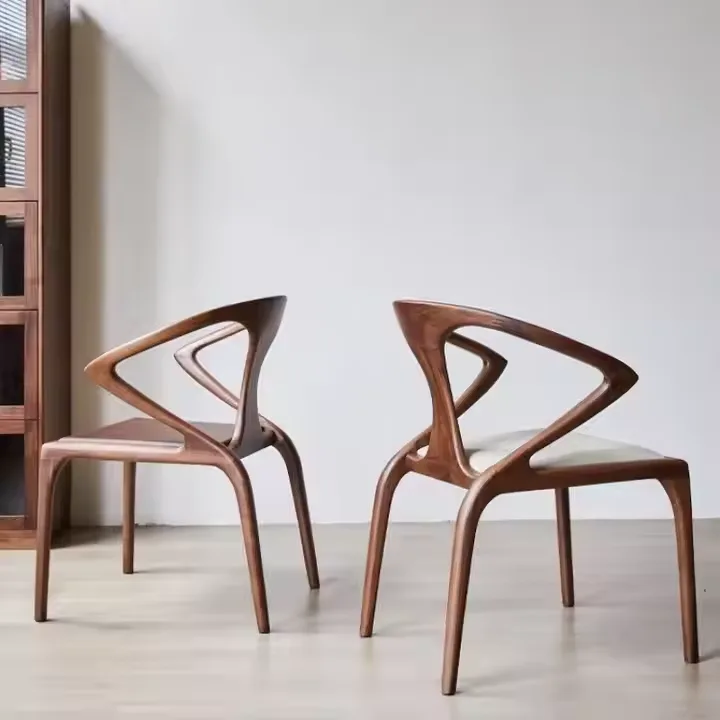 Wooden Chairs
Foshanchair Original Walnut Sword Armchair Luxury
100% Wood · MOQ 4 pcs · $120
View model →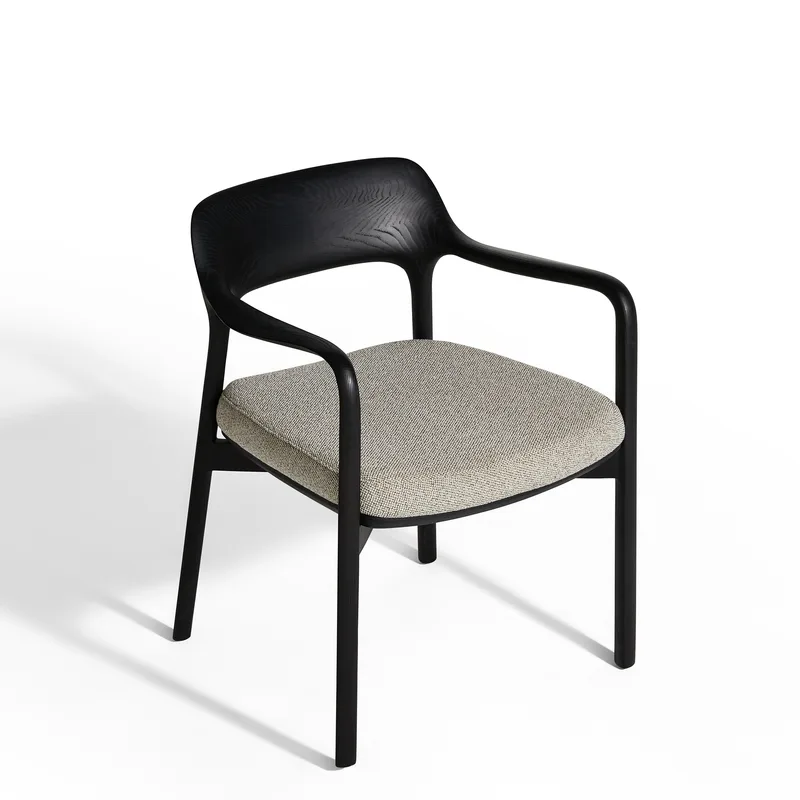 Wooden Chairs
Foshanchair ASH Solid Wood Frame Dining Chair
Solid wood · MOQ 6 pcs · $135
View model →