Chair Product Liability and Insurance
Published by Foshanchair · Contract desk in Foshan, China
A chair that fails in service is not a quality complaint. It is a liability event, and the paperwork you can produce in the following week decides more of the outcome than the chair itself. Importers usually discover this at the worst moment: a guest is injured, the venue’s lawyer writes to the retailer, the retailer writes to you, and the question is not what the chair cost but who is answerable. As a chair manufacturer in Foshan we sit on the other side of that letter and can tell you what the file needs to hold before anyone asks for it.
1. The claim lands on whoever put the chair on the market
Both regimes are strict: the injured party does not have to prove negligence, only that the chair was defective and that the defect caused the injury. In the EU the producer includes the importer into the union and anyone putting its own name or trademark on the product, so a retailer’s own label makes the retailer a producer. In the US strict liability runs along the whole chain of distribution, and a seller holding itself out as the manufacturer is treated as one. The Foshan factory is a party to your purchase contract, not to your customer’s claim, and it is not who gets sued. That asymmetry is why a documentation file exists: it is the only way to move a claim from “the chair broke” to “the chair was misused” or “this batch was not ours”.
2. The five documents that answer a claim
You need five items per model, kept with the order file. First, a lab report naming the exact model and standard — EN 16139 for contract seating, BIFMA X5.4 for lounge and public seating, X5.1 for office chairs. A report for “the family” is worth little, because the model number has to match the carton; our guide to chair test standards explains which level applies where. Second, a spec sheet stating rated load, intended use and limits — a solid wood dining chair rated at 130 kg and marked for indoor dining defends differently from an unlabelled one. Third, the sealed approved sample with photographs of the joints and underside. Fourth, the QC records for that batch: who inspected, on what sampling basis, what was rejected. Fifth, a traceability label tying each chair to a purchase order, production month and factory code. The first two answer whether it was defective, the third whether it was built as approved, the last two whether it was even your batch.
3. Where chairs actually fail
Claims cluster around a few failure modes, each with its own defence. Rear legs and back stiles break when someone stands on the seat or rocks the chair back on two legs; a load rating and a legible warning are the answer, which is why the label matters as much as the steel. Bar stools tip when the base is narrow against seat height. Joints open when glue lines are starved or dowels undersized, a subject we cover in chair joints. Metal frames crack at the bend or beside the weld when the tube wall is thinner than specified — measured at an open end, never through paint — and a stainless steel dining chair is a good model for learning where to look. Castors and glides fail quietly and cause falls. Some claims involve no breakage at all: formaldehyde or a finish that off-gasses in a warm room, a substance question covered in chair chemical compliance.
4. What a contract can and cannot transfer
An indemnity clause is worth having and worth understanding. It obliges the supplier to reimburse you for third-party claims arising from a defect it caused, and it needs three companions: an obligation to maintain product liability insurance at a named limit, a certificate of insurance issued to you as additional insured, and an allocation of recall costs — transport, disposal, replacement, notification — which ordinary warranty excludes. What it cannot do is stop the claim arriving, or make enforcement fast: you would be pursuing a Chinese entity under Chinese law, and a judgment is only as good as the assets behind it. Read the clause as a recovery route, not a shield. The warranty side of the same paper is set out in chair supply contracts, and the receiving end in chair arrival damage claims.
5. The cover that actually responds
Product liability insurance pays for injury or property damage caused by your product, and it is the policy that answers the letter. Four points decide whether it responds. The limit should be per occurrence and aggregate, and USD 1–2 million per occurrence is what most retail and hospitality contracts require. The territory must cover everywhere you sell, with the US and Canada named explicitly if you ship there — a worldwide-excluding-US policy is cheap and useless for an American account. Recall cover is usually a sublimit, not the main limit, so check the number: recall logistics cost far more than the replacement chairs. And if a customer demands to be named additional insured, confirm the policy allows a vendor’s endorsement before signing. Underwriters read test reports naming the model, a QC process you can describe and a documented factory relationship — the evidence in our factory audit and second supplier notes.
6. The first 72 hours after an incident
Speed protects you more than argument. Preserve the failed unit exactly as it broke, tag it and photograph it before anyone repairs or discards it: an assessor who cannot see the fracture surface cannot tell fatigue from overload. Quarantine the rest of the batch by date code, not by model, because the defect is almost always process-specific — one glue batch, one welder, one kiln load. Notify your insurer inside the policy’s notification period, often days rather than weeks. In the US a defect that could create a substantial product hazard goes to the CPSC within 24 hours of your becoming aware; in the EU, incidents go through the Safety Business Gateway without delay. Then run the root cause on the failed part, not the drawing, and put the corrective action in writing before the replacement order ships. A leisure chair or contract restaurant chair supplied to twenty venues is twenty claim sites, so the same message, date code and action must reach every account holding the batch. Silence turns an incident into litigation.
Conclusion
Liability follows the party that put the chair on the market, and no purchase clause changes that. What changes the outcome is a file: a report naming the model, a spec sheet with a load rating, a sealed sample, batch QC records and a label tying each chair to a date code — plus a policy with the right territory and a recall sublimit you have read. Build it at the specification stage, not after the letter arrives. If you want the documentation pack that travels with an order, tell us the model and the market and we will assemble it with the catalogue specification before production starts.
Related: Chair Test Standards: EN 16139 vs BIFMA · Chair Supply Contracts: Clauses That Matter
Models we build for this
Factory-direct pricing, custom finish and fabric, MOQ from a few pieces.
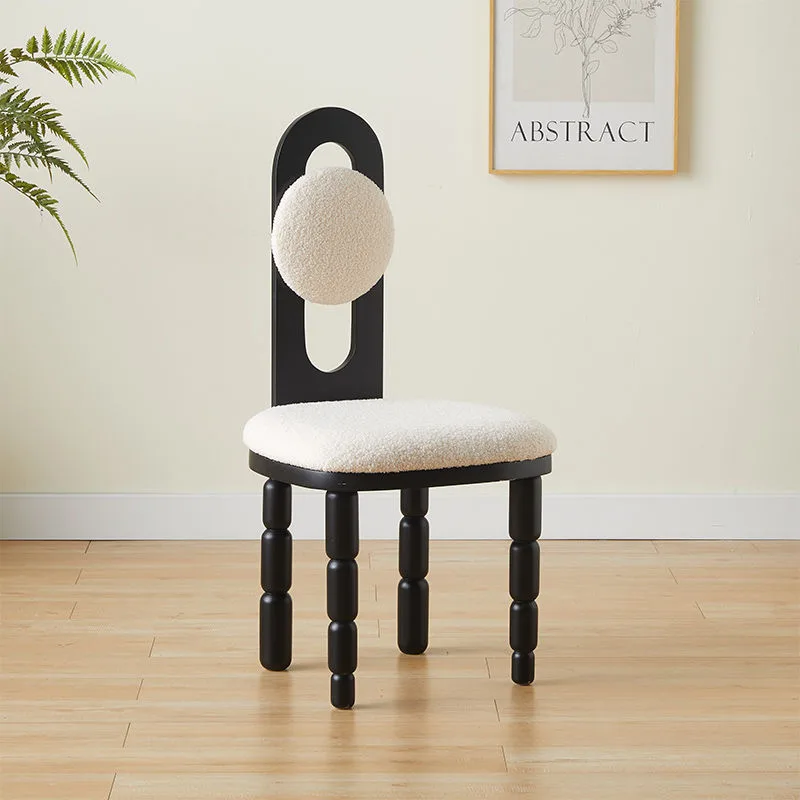 Wooden Chairs
Foshanchair Wooden Dining Chair
100% solid wood · MOQ 6 pcs · $65
View model →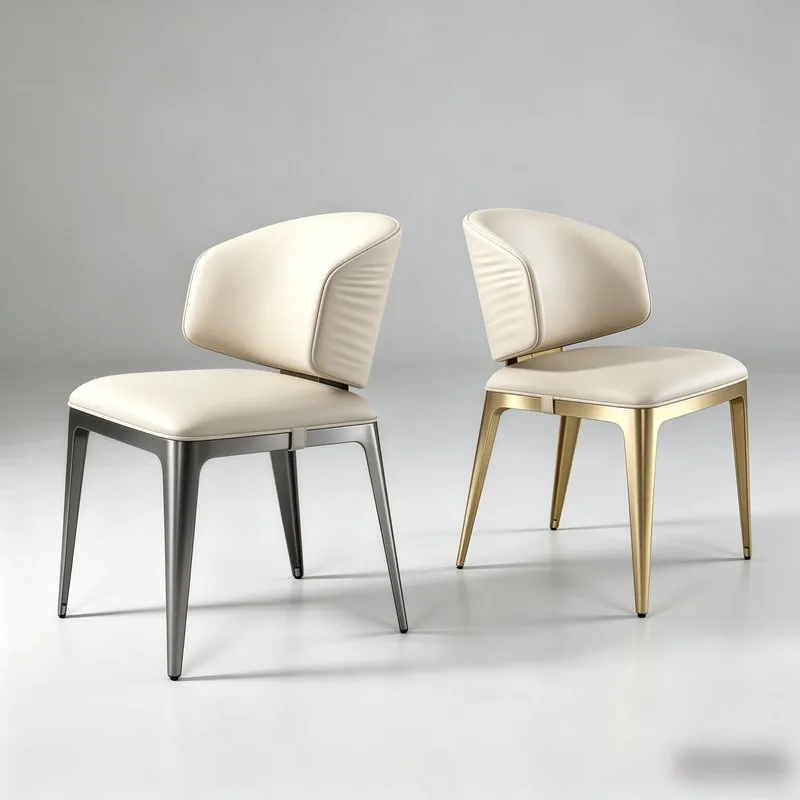 Stainless Steel Chairs
Foshanchair Stainless Steel Dining Chair
Stainless steel · MOQ 2 pcs · $70
View model →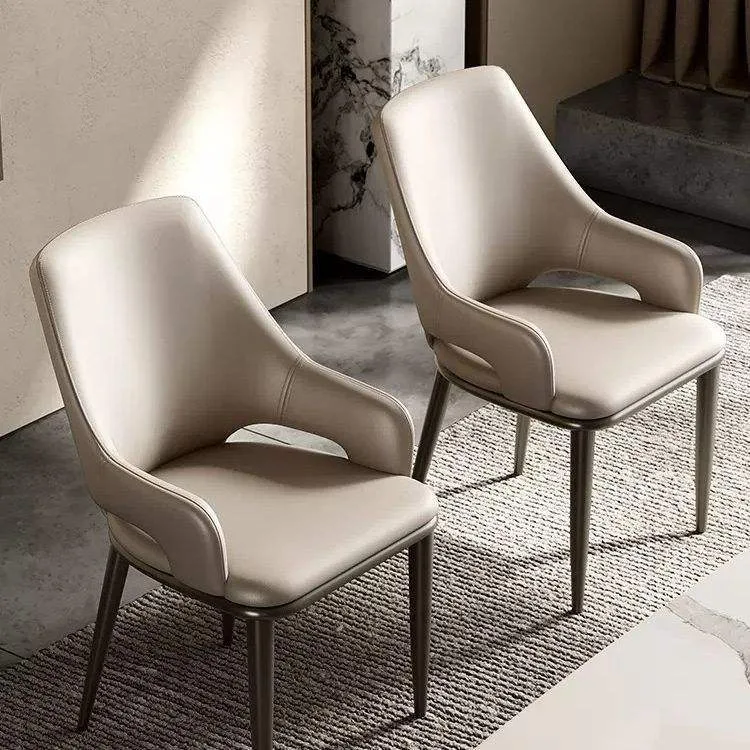 Restaurant Chairs
Foshanchair High Back Leather Dining Chair
Metal and leather · MOQ 6 pcs · $24
View model →