Changing a Chair Order After the PO
Published by Foshanchair · Order desk in Foshan, China
The purchase order is signed, the deposit has cleared, and then something moves. A venue loses a function room, a designer swaps the fabric on one banquette run, or the client adds forty covers to the terrace. Whether that costs nothing, a few hundred dollars or the deposit depends on a single fact: which gate the order has already passed. Working from the factory side of that conversation at our Foshan workshop, we can tell you what each gate closes.
1. Every order passes four gates
Chairs are not built as a batch; they are built in stages, and each stage locks something. The gates are material release (timber, tube and fabric bought to the confirmed quantity), the frame stage (cutting, welding or joinery, sanding), finishing (stain, lacquer or powder coat), and upholstery and packing. Before material release almost anything is free. After the frame is cut, a dimension change is a new frame. After finishing, a colour change means stripping and recoating, which a solid wood frame rarely survives economically. Once covers are cut, the fabric is the largest single item at risk. This ladder is also why the delivery clauses in a chair supply contract matter more than the price clause: they are the only place the gates get dates.
2. Adding units is the cheapest change you will ever make
Growth is welcome and nearly free while the cutting list is open. Extra pieces join the same run, so you skip a fresh MOQ, skip a new material lot and normally keep the unit price, sometimes improve it. The mistake is asking late. Once material is bought to the confirmed quantity, the factory either waits for a new purchase or pulls stock from another order, and neither is free. If your venue plan is still settling, buy the buffer at PO stage rather than afterwards: 5–10% extra is cheaper than a top-up run, and it covers breakage and the one chair that always goes missing. Our notes on chair quantity planning and low-MOQ production both assume that buffer is decided up front, on a model like this upholstered wooden dining chair.
3. Colour, finish and fabric changes
A fabric swap is cheap before the covers are cut and expensive after: re-cutting is a fresh cutting ticket plus the wasted meterage. Finish is worse, because powder coating runs in oven loads and RAL batches with minimum weights, so a colour change late in the run means stripping the frames back to bare steel before recoating — an operation most factories quote rather than absorb, and one that a stainless steel frame tolerates far better than painted tube. Wood is the least forgiving: stain is judged against a control panel, and a re-stained frame sits visibly apart from the run. Whatever you switch, expect the split to show up at the next reorder, which is the subject of chair colour matching across reorders.
4. Moving the delivery date
Postponement is usually the easiest request to grant, within limits. Most factories hold finished goods free for two to four weeks and then charge storage per carton per month, because the space is doing nothing for them. Three things go wrong on a postponement. The new date lands in the pre-holiday peak and the production slot is gone. A letter of credit carries a latest shipment date that no longer matches, and the documents become discrepant at the bank. Or the forwarder’s booking is rolled and the container is charged again. Put the free storage window in the PO, and treat the shipping side as a separate amendment — the mechanics are set out in chair order payment terms and in importing dining chairs from China.
5. Cutting quantity, or cancelling
After material release, a reduction is no longer a paper exercise. You are normally asked to cover material at cost plus the labour already in the piece, quoted as a percentage of work in progress that should rise as the order moves down the line. Ask how the percentage is calculated, stage by stage, and compare it with what the finished chair would have cost — a forty-percent WIP charge on a frame that has been cut but not welded is not the same claim as one on a chair sitting packed in a carton. Before accepting it, offer alternatives: split the shipment and take half now, defer the balance into next season, swap part of the quantity onto a stocked model such as this high-back leather dining chair, or hold the value as credit against the next order. Most factories prefer a deferred order to a cancelled one.
6. Paper the change or it did not happen
Every change needs one document: an amendment that states the PO number, a revision number, exactly what changed, the price and delivery effect, and a signature on both sides. A WhatsApp message saying “make it dark walnut” is how the wrong colour gets baked into forty frames, and it protects nobody afterwards. If the change touches the specification, re-approve it the way you approved the original, which is what the sample approval checklist is for, and keep the version history in the same file as the production drawings. The strongest clause you can add costs nothing: changes accepted without charge until the cutting list is released, with the release date confirmed in writing at order acknowledgement.
Conclusion
A chair order is not frozen when it is signed; it freezes gate by gate, and each gate is a deadline you can plan around. Ask for the four dates at acknowledgement — material release, frame start, finishing, packing — and you will know in advance whether a change is a phone call or a credit note. If you are still building a venue programme and expect the seating plan to move, send us the model and the quantity and we will tell you where the no-charge window sits on that run before you sign.
Related: Chair Supply Contracts: Clauses That Matter · Low MOQ Chair Manufacturing
Models we build for this
Factory-direct pricing, custom finish and fabric, MOQ from a few pieces.
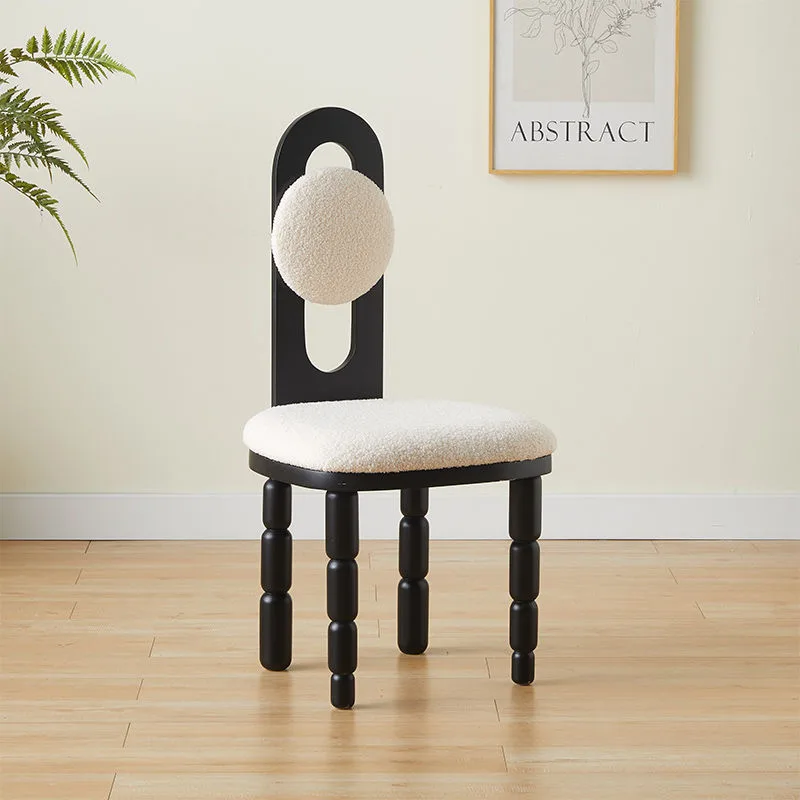 Wooden Chairs
Foshanchair Wooden Dining Chair
100% solid wood · MOQ 6 pcs · $65
View model →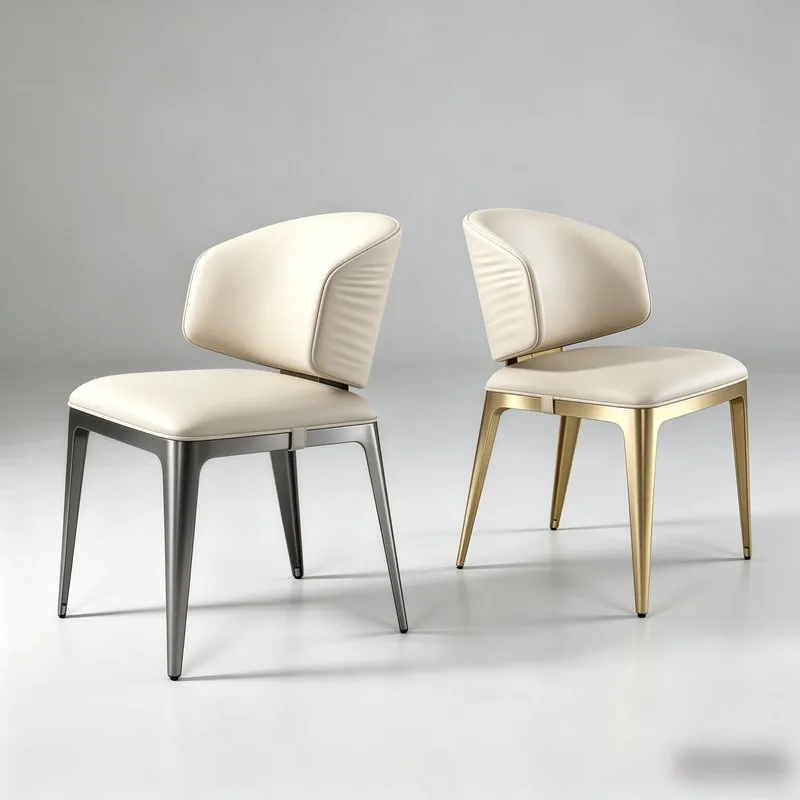 Stainless Steel Chairs
Foshanchair Stainless Steel Dining Chair
Stainless steel · MOQ 2 pcs · $70
View model →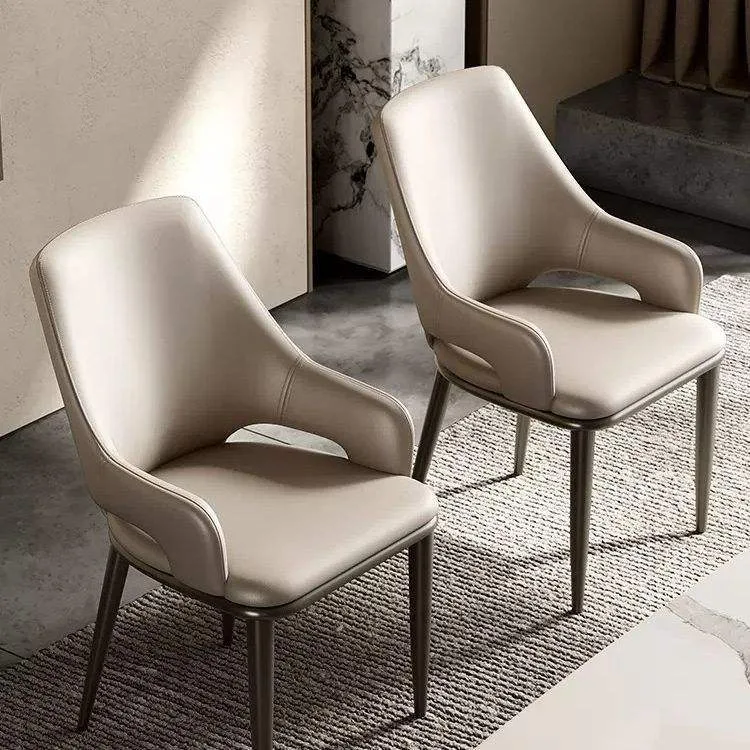 Restaurant Chairs
Foshanchair High Back Leather Dining Chair
Metal and leather · MOQ 6 pcs · $24
View model →