Chair Colour Matching Across Reorders
Published by Foshanchair · Chair manufacturer in Foshan, China
A restaurant chain reorders 120 chairs two years after the first delivery and finds the new batch reads a shade cooler under its own dining room lights. Nothing is broken and no specification was breached: the powder came from a different lot, the stain was mixed to a photograph, and the fabric came from a new dye lot. Colour is the one specification that drifts quietly between orders, and the remedy is a process rather than a promise. Here is how to lock it down at the sample stage, whether you buy from our powder-coated iron chair range or a fully upholstered model.
1. Colour is decided in three separate places
Every chair carries three independent colour decisions: the frame coating, the wood stain or metal polish, and the cover material. Each drifts for a different reason and needs its own control. Metal moves with the powder lot and the cure temperature; wood moves with species, sapwood content and topcoat age; fabric and leather move with the dye lot and the hide. One master sample has to capture all three, or you will match the frame perfectly and miss the seat by two shades. Write the three references separately on the specification sheet — a powder code, a stain reference on a named substrate, and a fabric article with its dye lot — so a later order can be checked line by line instead of judged as a whole.
2. Metal frames: RAL reference, gloss band and powder lot
Powder coating is mixed to a reference, usually a RAL number, then cured at roughly 180 to 200 degrees Celsius. Two variables move the finished colour. The first is the lot: powder is blended in batches, and pale colours — whites, off-whites, light greys — shift more between lots than dark ones do. The second is cure: an under-cured film is soft and slightly dull, an over-cured white yellows at the edges. Put the powder manufacturer and reference on the order confirmation, state gloss measured at 60 degrees (a band, not a single number, for matte and textured finishes), and require a cured panel from the production lot to approve before the frames are coated. Our metal leg dining chairs are quoted this way.
3. Wood: match to a physical control, never a photograph
Wood is the hardest of the three because the substrate itself varies. Ash and beech take the same stain differently, and within one board heartwood and sapwood can read two tones apart. A photograph fails as a reference: phone white balance, monitor calibration and venue lighting all distort it. The workable method is a control panel — a piece of the same species, stained and topcoated with the production recipe, signed and dated by both sides. Specify the substrate, not just the colour name: “walnut stain on ash” survives a change of supplier, “walnut” does not. State the topcoat system too, because nitrocellulose and acid-cure lacquers amber over two or three years while water-based coatings stay closer to the original tone. Our solid wood chair range lists the substrate per model for exactly this reason.
4. Fabric and leather: buy the whole project from one dye lot
Textile colour is set per dye lot, and each lot is finite. When a project needs 400 metres and the mill dyes 300, the second batch will not match the first however precise the article number. Order the full quantity in one lot, get the lot number in writing, and hold 5 to 10 percent extra for future repairs — a seat reupholstered from a different lot is more visible than a worn one. Leather adds hide variation: pigmented finishes hide it, aniline and semi-aniline show it, and no two hides are identical. Approve the actual production lot against the master rather than the showroom swatch, and accept that natural covers carry a stated tolerance. Our stainless steel chair range and the upholstered models both use this lot-controlled system.
5. The master sample set: what it must contain
A master sample is not a chair. It is a dated, sealed set of physical references that both parties keep: one cured powder panel per colour, one stained and topcoated wood block per finish, one fabric and one leather swatch cut from the approved lot, and a single page recording codes, suppliers and the approval date. Photograph the set in daylight at around 6500 K beside a grey card for the file, but treat the photograph as documentation, never as the reference. Store it away from sunlight and heat; a panel left on a windowsill for a year is no longer a master. Renew the set when a material is discontinued and note the replacement. Our OEM and ODM process builds this file at sample approval.
6. Writing colour into the purchase order
Pin colour in clauses, not adjectives. State the powder reference and manufacturer, the gloss band, Delta E at or below 1.5 measured on three points, first-article panel approval before bulk coating, and 30 days’ notice if a powder or fabric is discontinued. For wood, name the substrate and the topcoat system and allow a stated tolerance for grain and heartwood. For textiles, require the dye lot on the packing list and reserve the balance of the lot for 12 months. Add a reorder clause covering five years, because a hotel or chain refurbishment usually lands in year four or five. Then compare the first delivery against the master under the venue’s own lighting before you sign off — the factory cannot see your dining room, so that last check is yours.
Conclusion
Colour consistency is not a craftsman’s promise, it is a paper trail: a reference code, a physical master, a measured tolerance and a clause that outlives the person who placed the first order. Buyers who build that file at the sample stage reorder five years later without a site visit; buyers who approve from a photograph pay for repainting or replacement instead. Foshanchair keeps a sealed master set for every project and prints the codes on each order — send your colour references with your quantity and we will confirm what is achievable before you commit to a container.
Related: Iron vs Stainless Steel Chairs · Custom Restaurant Chairs with Your Logo & Brand Colours
Models we build for this
Factory-direct pricing, custom finish and fabric, MOQ from a few pieces.
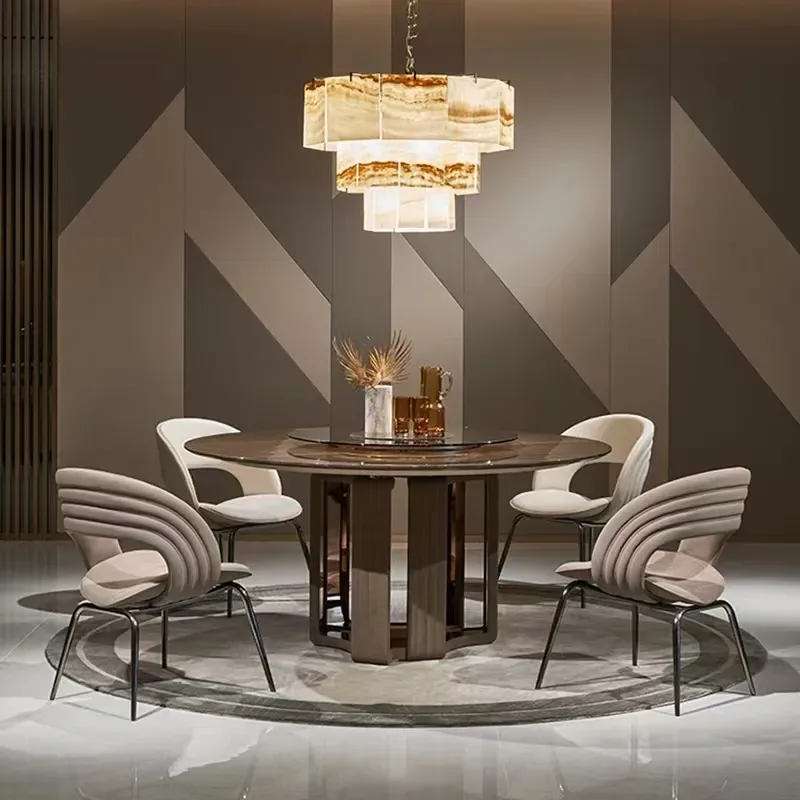 Iron Chairs
Foshanchair Metal Leg Dining Chair Modern Restaurant Hall
100% metal frame · MOQ 4 pcs · $120
View model →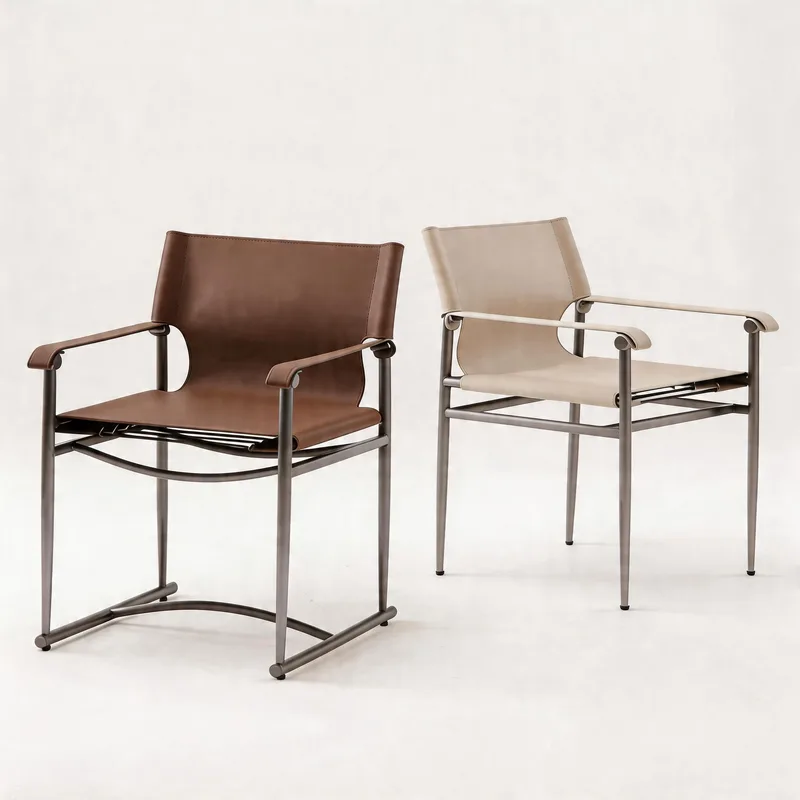 Stainless Steel Chairs
Foshanchair Silver Stainless Steel Restaurant Velvet Chair
Stainless steel · MOQ 4 pcs · $150
View model →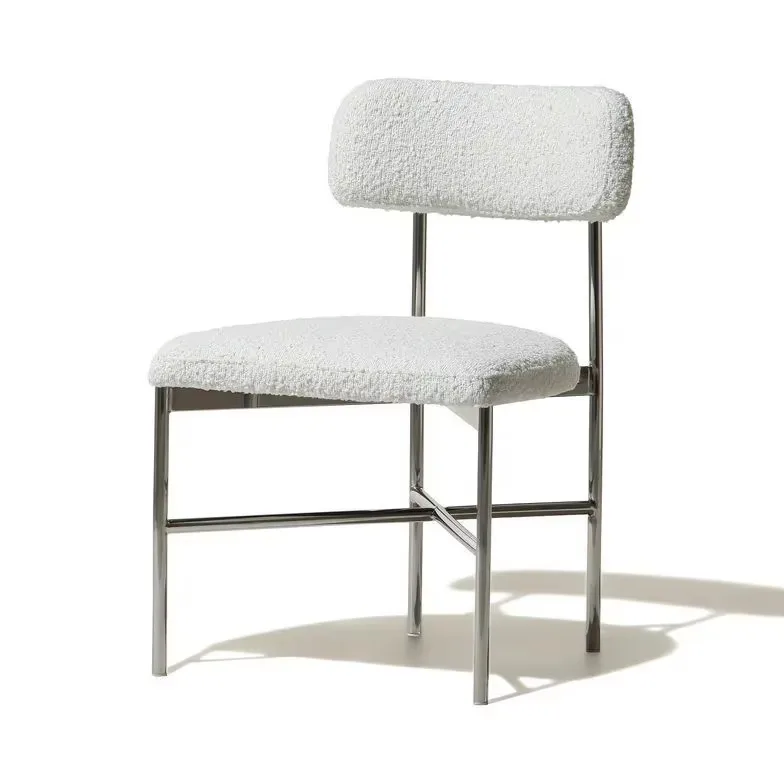 Stainless Steel Chairs
Foshanchair Stackable Banquet Dining Chair
Stackable · MOQ 6 pcs · $140
View model →