Chair Mold & Tooling Cost: What Custom Development Really Costs
Published by JP · Custom chair studio in Foshan, China
"Tooling" is the word that makes custom chair projects sound expensive. Often it is not — especially if you start from an existing platform. Here is an honest breakdown of what tooling is, what it costs and what you actually own.
1. Tooling is not one thing
It can mean a weld jig, a CNC program, a bent-tube fixture, a wood mould or an injection mould for a plastic component. A simple metal or wood chair often needs only fixtures and jigs — cheap and fast. An all-new plastic shell needs an injection mould, which is the expensive case.
2. ODM reuses tooling, OEM makes it
Adapt an existing platform and you usually pay nothing for tooling beyond small fixtures. Design a proprietary frame and we cut new jigs or moulds. Knowing which path you are on tells you the real cost before you brief us.
3. What you own
Tooling made for your design is held for your orders and not sold to competitors. Get the tooling list and ownership in writing. For shared-platform adaptations, the base tooling stays ours but your fixtures are yours.
4. Spreading the cost
At low MOQ, tooling is amortised over a small first run, so the per-unit cost is a bit higher — but you are not prepaying a container. As volume grows, the same tooling cost spreads thinner and your unit price drops.
Related: Custom OEM/ODM Process · Low MOQ Chair Manufacturer · Preparing a Chair Design File
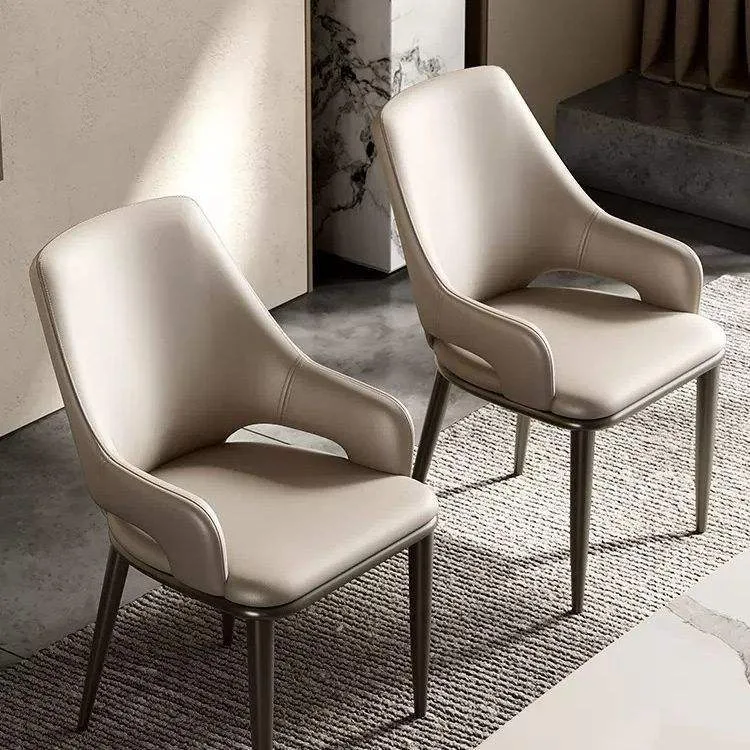
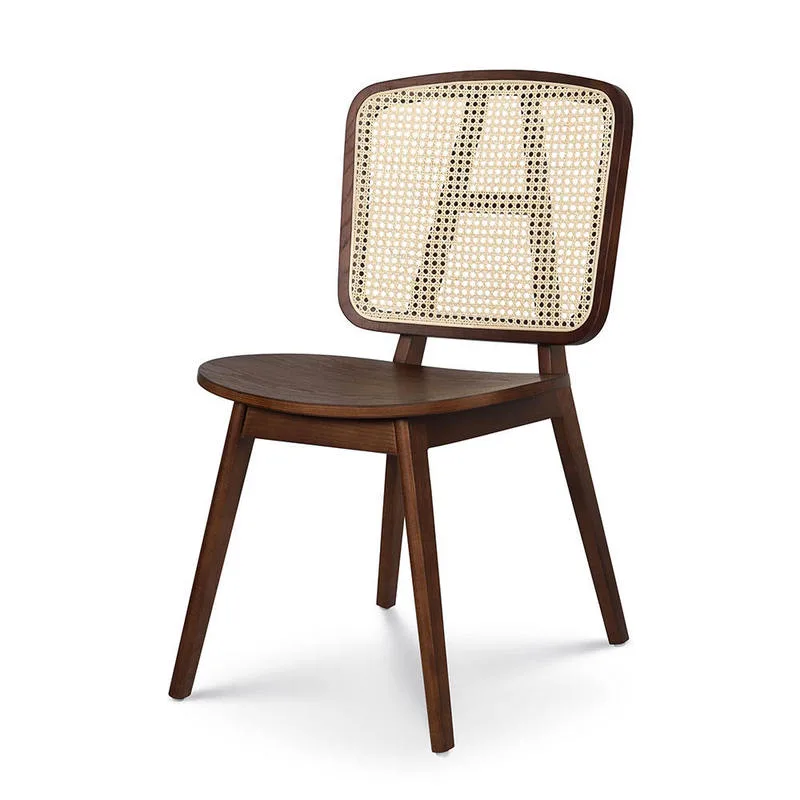
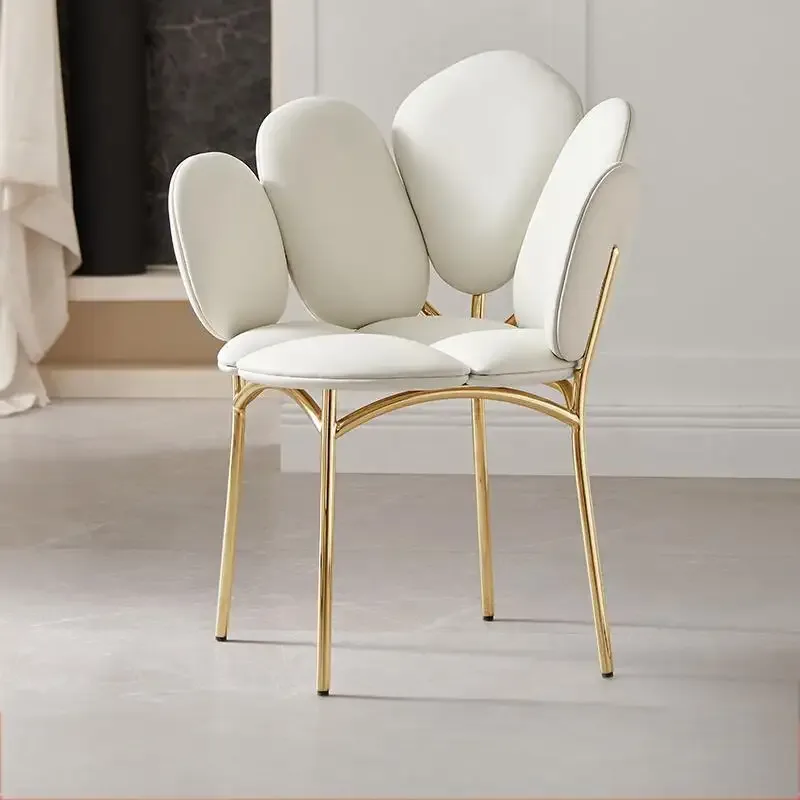
Models we build for this
Factory-direct pricing, custom finish and fabric, MOQ from a few pieces.