Lacey Act Declaration for Chair Imports
Published by Foshanchair · Chair manufacturer in Foshan, China
A perfectly good chair can sit at a US port over a line of paperwork that costs nothing to get right. Since the 2008 amendments to the Lacey Act, wood furniture entering the United States has to be declared: which plant the chair is made of, which country that plant was harvested in, how much of it there is, and what it is worth. The declaration is filed by the importer of record, but every number in it comes from the factory. That is where the mistakes start, and where they are cheapest to fix. What follows is a working description of the file, not legal advice — confirm the current form and duty treatment with your customs broker.
1. The declaration is yours, the data is the factory’s
The form is APHIS PPQ 505, filed electronically through ACE by your broker as part of the entry, with the paper version surviving only as a fallback. It applies to wood seating under 9401.61 and 9401.69, and to wooden tables under 9403.30 — lines inside the requirement since the phase-in finished in 2010. Four fields decide whether the shipment clears: the scientific name of each plant, the country of harvest, the quantity with its unit, and the value. Timing catches people. Your broker needs those four fields two to three weeks before the container is loaded, because the declaration travels with the entry; an amendment after release invites a second look. The rest of the entry file is set out in our guide to import documents and HS codes.
2. Genus and species, never the trade name
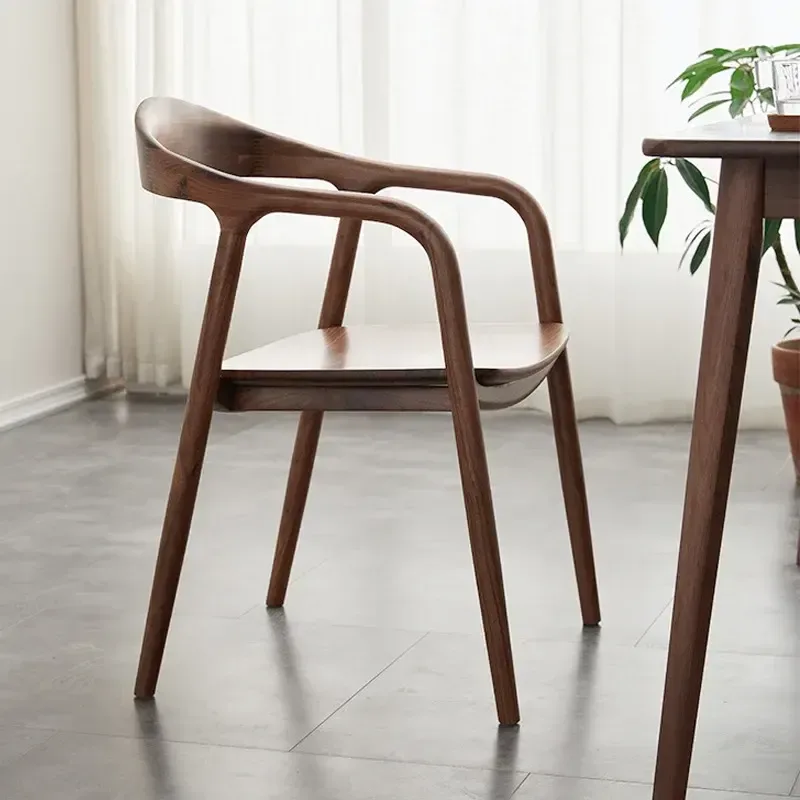
Solid wood is not a species, and neither is walnut finish. The declaration wants the botanical name because Hevea brasiliensis, Fagus sylvatica and Juglans nigra are different plants with different harvest risk, even when a catalogue calls all three wood. The species behind most Foshan chair programmes are rubberwood (Hevea brasiliensis, harvested in Thailand, Vietnam, Malaysia or Indonesia), European beech (Fagus sylvatica, Germany and Romania), white and red oak (Quercus alba, Quercus rubra), ash (Fraxinus excelsior) and acacia (Acacia mangium). Those names belong on the worksheet. Two traps repeat. A stained rubberwood chair sold as black walnut finish is not Juglans nigra, and declaring it as walnut is a false statement however the buyer asked for it. And writing spp. after a genus is tolerated only where the species genuinely cannot be identified; read cold, it is an admission that nobody checked. Our beech solid wood dining chair programme puts the botanical name on the spec sheet for this reason, and the grade side of the same paperwork sits in our lumber grades guide.
3. Country of harvest is not country of manufacture
Foshan factories cut lumber that arrived from somewhere else. Thai rubberwood, Romanian beech and American walnut all leave China as finished chairs, and the declaration asks where the plant was taken from, not where the saw ran. Declaring China for imported timber is the most common error on these forms, and it is easy for an officer to test: if the species does not grow in the country stated, the entry stops. The paperwork helps without replacing anything: an FSC or PEFC claim on the invoice strengthens the due care file and makes the harvest story credible, but it is not a substitute for naming species and harvest country, and the recycled-material exception does not cover virgin lumber. Where the harvest country carries sanctions, expect the question twice, and keep mill paperwork rather than a summary e-mail. The oak in our solid oak dining chair build arrives as European or American stock; the declared origin follows the board, not the workshop.
4. Quantity and value, split by species
Quantity is declared per plant with a unit — cubic metres for solid parts, kilograms where that is what the factory actually weighs — and value is the plant content apportioned from the invoice value of that line. Foam, fabric, webbing, glue, hardware and steel legs are not plants and come out of the split. A container with three species and two finishes therefore produces six value figures rather than one, and the totals have to reconcile with the commercial invoice before your broker files. Reconciliation is the point: a declaration that disagrees with the invoice value or the quantity the packing list implies turns a routine entry into an examination. Keep the species worksheet in the entry file, dated and signed at the factory, because that sheet is the evidence if the question arrives three years later. The same part-by-part logic runs through the wooden chair range when a model mixes species in one frame.
5. The layers that arrive with it
Three other US requirements land on the same container. Composite panels — hardwood plywood, particleboard, MDF — must meet TSCA Title VI and carry the certifier’s label, with records held by the importer; the formaldehyde side of that is in our chemical compliance guide and the panel construction in the plywood and finger-joint piece. Section 301 additional duty applies to most China-origin wooden furniture on top of the standard rate, and the rate moves with each review cycle, so confirm it against the tariff line with your broker, not a quotation from last season. Then the Importer Security Filing has to be lodged 24 hours before loading, which means the factory details must exist before the container is stuffed. The enforcement tail is real: civil penalties reach $10,000 per violation, knowing violations carry criminal exposure, and the goods themselves can be forfeited. Due care is judged on what you can produce.
6. A US annex for the purchase order
Five clauses stop most of this at the source. Species per component, with the botanical name written out rather than the trade name. Country of harvest for each species, stated per shipment. A no-substitution clause: any change of species or origin needs written approval before production, because a swap to a cheaper board in week three invalidates the declaration you already filed. Panel certification under TSCA Title VI where panels are used. And a ship-with-goods requirement: a species worksheet that matches the packing list, e-mailed with the documents instead of reconstructed afterwards. Add the line to the sample order as well, so the species list is tested on one chair before it is tested on a container. Our OEM team builds that annex into each custom programme; a finished example is visible on our ash solid wood frame chair spec sheet.
Conclusion
Lacey compliance is not a legal problem solved once; it is four data fields kept accurate as the order changes. Name the plant properly, state the country it was cut in, split quantity and value by species, and make the factory responsible for telling you when any of that moves. None of it is expensive at the quotation stage, and all of it is expensive at the port. Send us the model you are importing through the contact form and we will return the species and harvest-country worksheet with the quotation.
Related: Chair Import Documents: HS Codes and Duty · Lumber Grades for Chair Frames and Yield
Models we build for this
Factory-direct pricing, custom finish and fabric, MOQ from a few pieces.
 Wooden Chairs
Foshanchair Beech Solid Wood Dining Chairs
100% Solid Wood · MOQ 6 pcs · $45
View model →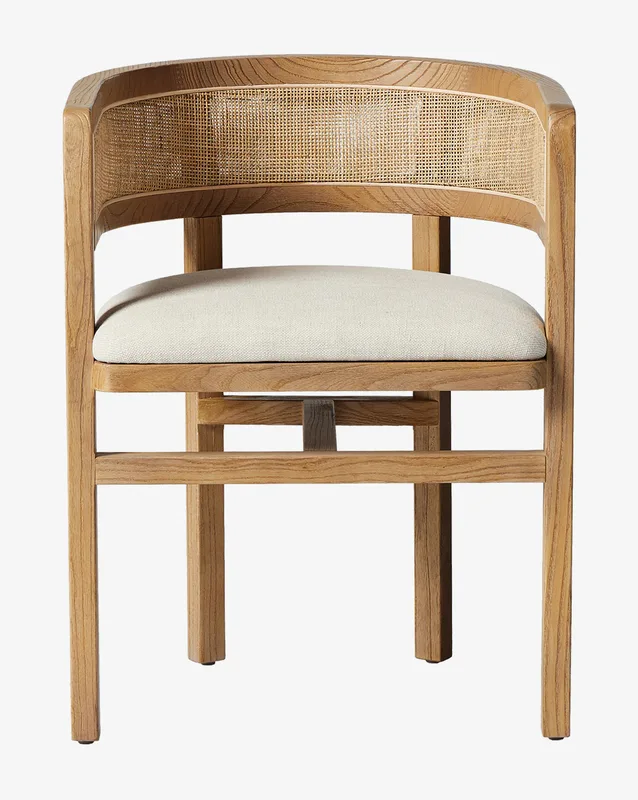 Wooden Chairs
Foshanchair Walnut Solid Wood Upholstered Dining Chair
100% Solid Wood · MOQ 6 pcs · $160
View model →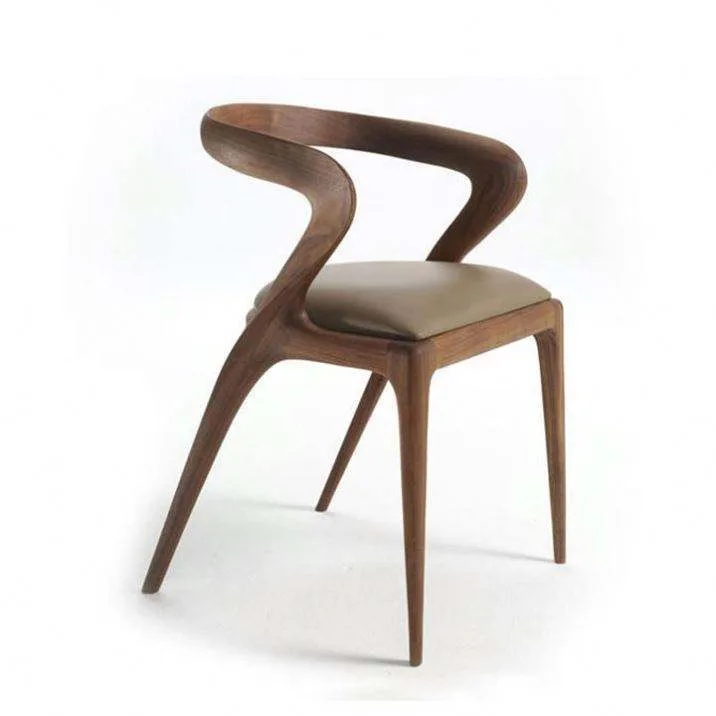 Wooden Chairs
Foshanchair Wood Solid Oak Chairs Dining Table
Solid oak · MOQ 6 pcs · $120
View model →