Chair Import Documents: HS Codes and Duty
Published by Foshanchair · Chair studio in Foshan, China
Paperwork is the cheapest line item on a chair order and the most common reason a container stops moving. The invoice, packing list, bill of lading and certificate of origin have to agree with each other and with what is actually inside the cartons; when one field disagrees, the shipment does not clear and demurrage runs at a few hundred dollars a day. The classification decides what you pay before the chairs leave the terminal, and unlike a fabric colour it cannot be corrected afterwards without a paper trail. This guide covers how seating is classified, which documents a broker actually needs, the mismatches that trigger inspection, and the clauses that belong in the purchase order. It applies equally to wooden dining chairs, metal frames and upholstered models.
1. Classify the chair before you price it
Heading 9401 covers seats with metal or wood frames, whether or not convertible into beds. The subheadings split by frame material and by whether the seat is upholstered: 9401.61 wooden upholstered, 9401.69 other wooden, 9401.71 metal upholstered, 9401.79 other metal, and 9401.80 for other materials such as plastic or rattan. There is one exception worth knowing: 9401.30 covers swivel seats with variable height adjustment, so a gas-lift bar stool belongs there rather than under 9401.79, sometimes at a different rate. Six digits is the international level; duty is set beyond it nationally, which is why two importers can pay different rates on identical chairs. Classification is the importer's legal responsibility, not the factory's. If the order is large or the model is a hybrid of wood frame, metal legs and upholstery, ask your customs authority for a binding ruling before you commit. A stainless steel chair and a painted steel chair can share a code but not a rate.
2. The document set that clears a container
Five documents do the work. The commercial invoice lists model, quantity, unit price, the Incoterm with its named place, and the total, with a real goods description rather than "furniture". The packing list gives carton count, dimensions and gross and net weight, and it should match the loading plan you approved. The bill of lading carries shipper, consignee, notify party, port pair and freight terms. The certificate of origin states where the goods were produced. Insurance applies when the term is CIF or CIP. Beyond those, add the ISPM 15 heat-treatment stamp on every solid-wood pallet or crate, since the packaging is regulated even though the chairs are not, plus the inspection report and any test certificate for the standard you specified. The rule that decides most clearances is three-document consistency: description, quantity and code must read identically on invoice, packing list and bill of lading.
3. What origin paperwork is actually worth
Preference is only worth money if the origin claim holds. A Form E under the ASEAN-China agreement can cut or zero duty at an ASEAN destination; RCEP schedules are separate, differ country by country and step down year by year; the EU, the UK and the US have no equivalent arrangement with China, so chairs enter at MFN rates plus any additional measure attached to the code. Rules of origin work through a change in tariff heading or a regional value content threshold, which means chairs assembled in Foshan from imported frames are not automatically Chinese-origin in the preferential sense. Validate a certificate of origin the way you validate an invoice: the shipper must match the bill of lading, the code must match every other document, the issue date must sit between invoice and sailing, and the form must come from the issuing authority rather than a broker's template. A certificate customs rejects takes the preference with it, and penalties follow.
4. Five mismatches that trigger inspection
The first is a code that differs between invoice, bill of lading and certificate of origin. The second is weight: packing-list gross weight, terminal verified weight and the figure printed on the bill of lading should agree, and a few hundred kilos of drift buys a scan and a hold. The third is a vague description, because the text printed on the bill of lading is what the officer reads, and "chair parts" or "sample furniture" gives them nothing to release against. The fourth is origin marking: many markets require the country of origin on the retail carton or a label, and a missing mark is a seizure risk in some countries and a re-labelling bill in the rest. The fifth is a declared value well below the normal band for that model, which invites a re-assessment on the authority's own benchmark. On bar stools, add the mechanism: a gas-lift bar stool described as a plain chair contradicts its own code. Print the model number on the invoice so the inspection report and the cartons can be tied together later.
5. Duty, landed cost and the Incoterm trap
Duty is a percentage of the customs value, and the customs value depends on the market. The EU, the UK and most of Asia assess on CIF, so freight and insurance sit inside the duty base; the US uses transaction value with international freight excluded. Buying FOB therefore does not remove freight from the duty base in Europe, it only changes who books it. Landed cost is FOB plus freight, insurance, duty, broker and port charges, inland haulage, and the cash flow of import VAT or GST, which is normally recoverable but still paid at the port. Before you fix a retail price, check whether your line carries anti-dumping or additional tariff measures, and model the cost again if the rate is scheduled to change. The second trap is currency: an order priced in one currency and declared in another picks up whatever exchange rate the broker applies on the day, which is rarely the one in your margin.
6. Put documentation into the purchase order
Six clauses remove most of the risk. Name the code the supplier will declare, and the exact goods description to be printed on invoice and bill of lading. List the documents with the issuing party and who pays for each: certificate of origin, ISPM 15 treatment and stamp, test reports, insurance. Require a draft set at least five working days before departure for review, and the final set within forty-eight hours of sailing. Specify origin marking on both carton and product label. State that invoice value must equal the purchase order value, with no sample or gift declarations and no split invoicing. Finally, add a reissue obligation: corrected documents within forty-eight hours at the supplier's cost if a mismatch causes delay. Keep the scanned set with the order rather than in an email thread, for as long as your tax authority requires, and read more about how we handle export paperwork on every order.
Conclusion
Documents cost almost nothing to produce and a great deal to get wrong. Classify the chair properly, keep the description identical across invoice, packing list and bill of lading, treat a certificate of origin as a claim you have to defend, and check the duty base before you price the seat. Ask for the draft set while the container is still on the floor, not after it has sailed. Foshanchair supplies importers, retailers and hospitality projects with the full document set on every shipment, from catalogue models to custom OEM and ODM builds — request a quote with your destination port and we will confirm the paperwork before production starts.
Related: Importing Dining Chairs from China · Chair Order Payment Terms
Models we build for this
Factory-direct pricing, custom finish and fabric, MOQ from a few pieces.
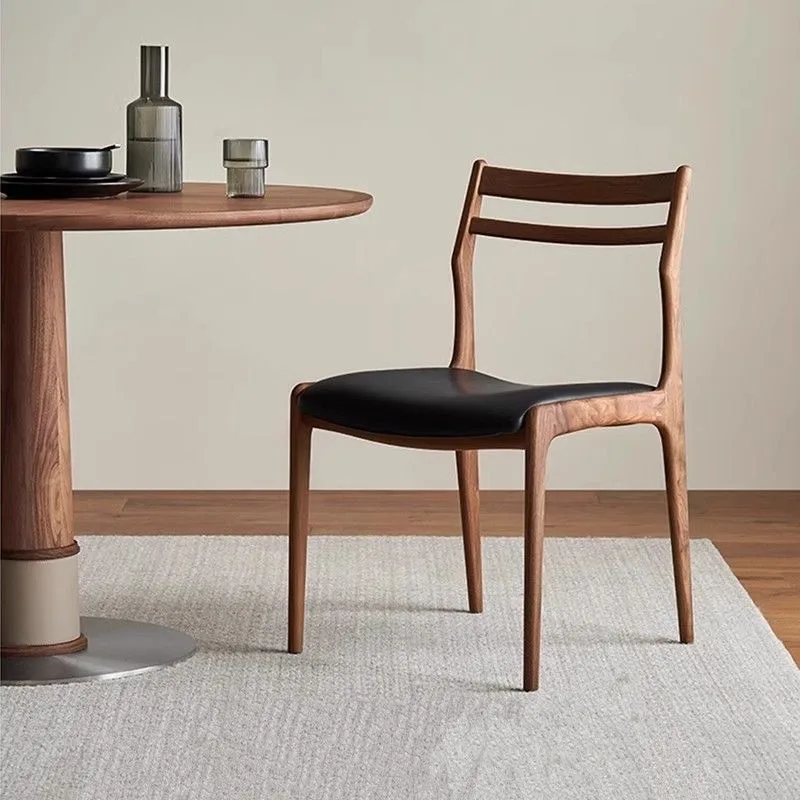 Wooden Chairs
Foshanchair Modern Solid Wood Leather Dining Chair
Solid wood · MOQ 6 pcs · $135
View model →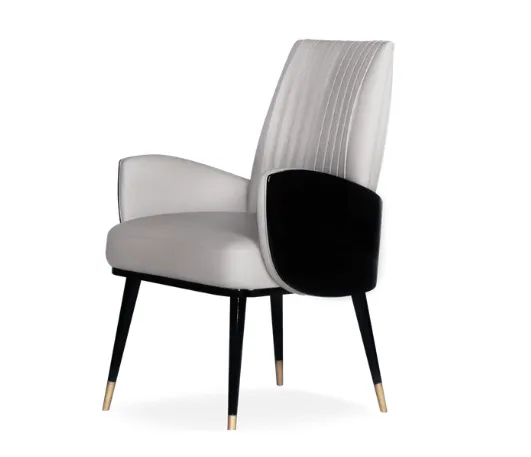 Iron Chairs
Foshanchair Nordic Metal Iron Dining Chair
Powder-coated iron · MOQ 10 pcs · $51
View model →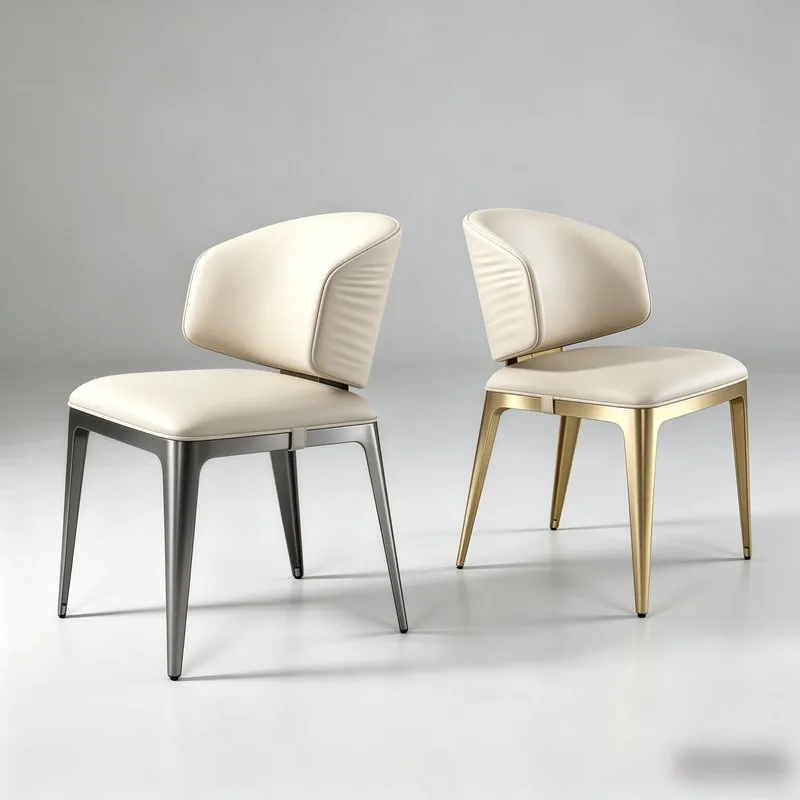 Stainless Steel Chairs
Foshanchair Light Luxury Stainless Steel Dining Chair
304 stainless · MOQ 2 pcs · $88
View model →