COM Upholstery: How Buyer-Supplied Fabric Works
Published by Foshanchair · Upholstered chair production in Foshan, China
A buyer in Europe specifies a fabric their designer chose, ships it to Foshan, and the factory supplies everything else. That is a C.O.M. order — customer's own material — and it is routine in contract furniture. It also divides risk: you control the cover, the factory controls the frame, and the seam between those two responsibilities is where most disputes start. This guide covers the arithmetic, the paperwork and the purchase order clauses that keep a buyer-supplied fabric order on schedule. If you are still deciding between upholstered and timber models, browse the upholstered chair range first and work backwards from the frame.
1. What a COM order actually changes
On a normal upholstered chair order the factory buys the cover, cuts it, sews it and carries the warranty on the finished chair. On a C.O.M. order you buy the cover — fabric (COM) or leather (COL) — and ship it in, so the factory quotes labour only: frame, foam, webbing, cutting, sewing, trimming and packing. Expect the unit price to fall by roughly the cover cost, typically 20–35% of a mid-range dining chair, and nothing else about the build gets cheaper. Two consequences follow. The factory will not warrant the cover, so pilling, fading, crocking and shrinkage become your risk. And your fabric becomes a controlled material in their production plan, with a cut date that everything downstream waits on. Compare that with a standard commercial restaurant chair order, where the cover is simply inside the price.
2. Work out fabric yield before you buy a metre
Buyers under-order because they measure the seat and back and forget waste. A workable rule of thumb for 140 cm goods: side chair 1.2–1.6 m, armchair 2.0–2.6 m, lounge chair 3.0–4.0 m. Then add waste — 8–12% for a plain weave, 15–20% when the vertical repeat is under 15 cm, and 22–30% for large repeats or stripes that have to be centred. Usable width is not nominal width: a 140 cm roll gives about 137 cm between selvedges, and selvedge cannot go into a seam. Covering a leisure chair with a deep buttoned back? Add another 10% for the extra panels and the loss from cutting around the buttons. Finally, order 5–10% above your calculated figure: a second dye lot never matches the first.
3. Roll width, repeat and pattern direction
Most Chinese and European upholstery runs at 140 cm; US goods are commonly 54 inches, about 137 cm. That gap barely changes metres but it changes nesting, so send the factory the width you are actually shipping rather than the width on the mill's spec sheet. For patterned goods, agree three things in writing: whether the stripe runs vertically on the back panel and sits centred on the chair's centreline, whether the seat panel is cut with the pattern running front to back, and how many panels may come off a single roll. A stripe off-centre by 10 mm is visible across a dining room, and centres that wander from chair to chair are the most common complaint on striped C.O.M. work. If you are developing a new model around the fabric, raise this during OEM development, not after sample approval.
4. Put the performance numbers in the PO, not in an email
Contract seating fails at the cover long before it fails at the frame. Specify figures: 30,000 Martindale cycles or more for restaurant and lobby seating (25,000 is defensible for guest rooms), light fastness of at least 4–5 on the blue wool scale for anything near a window, colour fastness to rubbing of 4 or better, and pilling of 4. Shrinkage matters wherever covers will be laundered — cotton and linen can move 3–5% on the first wash, so buy pre-shrunk goods or have the factory wash and dry a metre before cutting. Fire performance depends on destination: EN 1021-1/-2 in Europe, BS 5852 in the UK, TB 117-2013 in California. If the cover alone fails, an FR interliner behind it usually fixes the result without changing the fabric. Our note on chair test standards explains why frame and cover results are reported separately.
5. Getting your fabric into China without a duty surprise
Fabric sent to a Chinese factory is an import. Where the factory holds an inward processing manual, the goods enter duty-free against a re-export obligation. Most small and mid-size chair workshops do not hold one, so the fabric is imported normally, with duty and 13% VAT assessed on its value — and that VAT is not recoverable by you. Ask before you book freight. Two workable routes: ship DDP to the factory door and let them clear it, with duty added to the invoice; or ship to your forwarder's warehouse in Guangdong and deliver locally. Either way keep the commercial invoice, a packing list with roll count and metres per roll, and the mill's lot numbers, because customs will ask and so will the factory's incoming inspection. The paper trail mirrors a finished-goods shipment — our import documents and HS codes guide covers the parallel case.
6. The four clauses that prevent arguments later
First, cutting approval: the factory inspects every roll on arrival, reports defects with photos and roll labels, and waits for your written approval before the spread is cut. Once cut, fabric cannot go back, so that approval is your last cheap exit. Second, a claim window of 3–7 days from delivery at the factory for shortages and weaving defects, with the roll label visible in every photo. Third, waste ownership: state the acceptable waste percentage and who keeps remnants over 2 m. Fourth, schedule: fabric must land 7–10 days before the planned cut date, and late arrival moves the delivery date rather than the price. Ship one metre per colour as a strike-off first and keep a sealed, dated control sample on both sides — that single metre settles most shade arguments. The frames themselves come from the full chair catalogue and are priced independently of your cover.
Conclusion
C.O.M. is not a discount, it is a division of labour: you take the cover and its risk, the factory takes the frame and the build. Done properly it puts your designer's exact fabric onto a contract-grade chair at a lower unit price, on a lead time you can plan around. Send the fabric width, repeat, destination and quantity, and we will come back with labour-only pricing, yield per chair and a cut date. Request a quote with your specification and we will also price a standard cover, so you can see the real difference.
Related: Custom Chair Upholstery: Fabric, Foam & Finish Options · Chair Upholstery: Welts, Seams and Tufting
Models we build for this
Frames quoted labour-only when you supply the cover, MOQ from a few pieces.
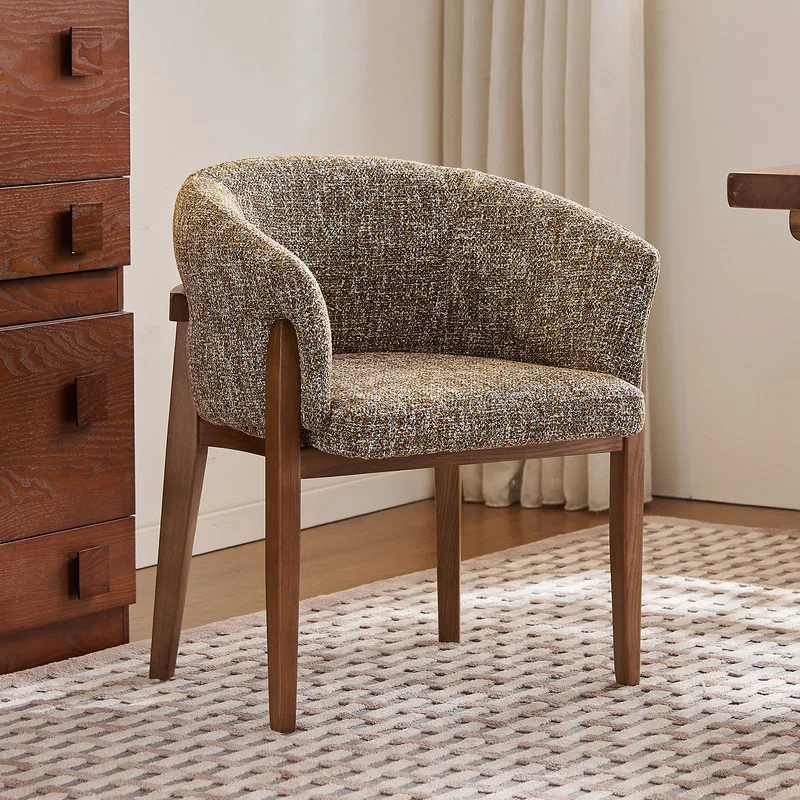 Restaurant Chairs
Foshanchair Restaurant Chairs Upholstered Fabric Cushions Armrest
Fabric cushion · MOQ 6 pcs · $135
View model →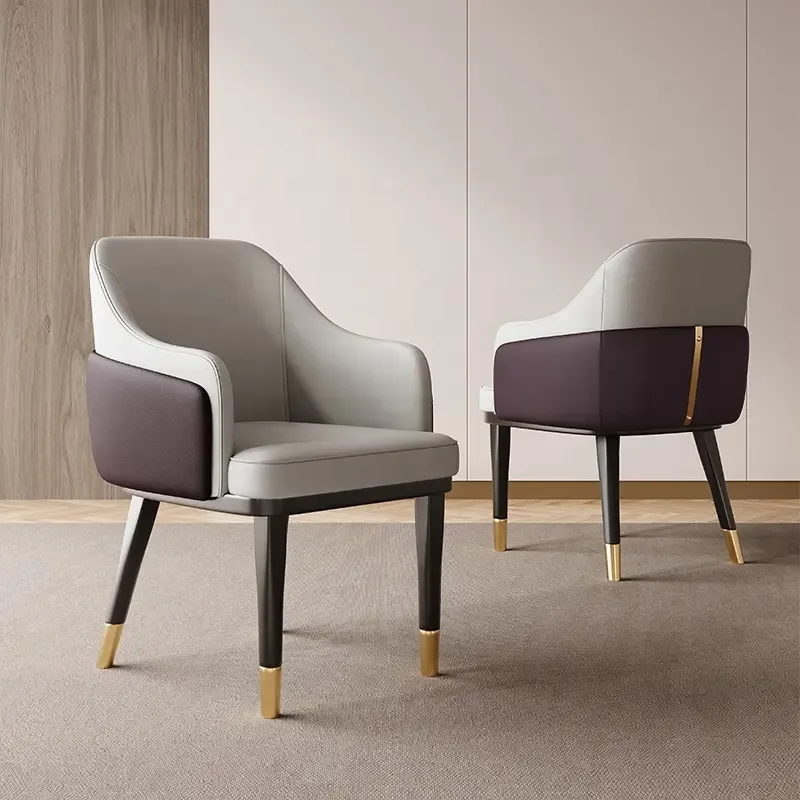 Wooden Chairs
Foshanchair Luxury Leather Dining Chairs Velvet Fabric
Velvet or leather · MOQ 50 pcs · Get Quote
View model →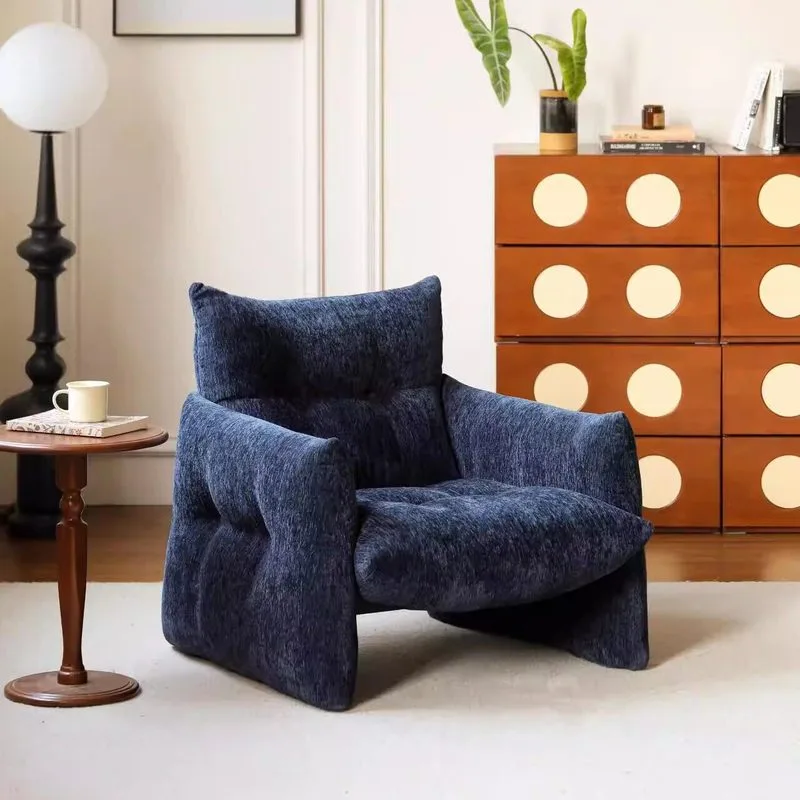 Leisure Chairs
Foshanchair Minimalist Modern Single-seat Sofa Armchair Chenille
Chenille fabric · MOQ 4 pcs · $150
View model →