Chair Upholstery Patterns and Cutting Dies
Published by Foshanchair · Upholstery workshop in Foshan, China
A chair looks simple in a catalogue and complicated on the production floor. The frame is a known quantity — drawings, tube gauges, wood grades, tolerances. The cover is not. Two factories can cut the same seat to visibly different shapes because the pattern set, the cutting die and the marker layout were never written down as a specification. If you buy upholstered chairs from a chair manufacturer in Foshan, patterns and dies are the cheapest thing you can control and the most expensive thing to lose.
1. What a pattern set actually contains
A complete set covers every component, not just the visible seat: seat top, boxing strip, outside back, inside back, deck panel and, on an armchair such as this leather dining chair, the inside and outside arm panels. Each piece carries a seam allowance (10 mm standard, 12 mm on tight curves), notches for alignment, a grain-line arrow and a face-side marking. Ask for the digital cut file (DXF or AAMA/ASTM D6673, layered by size) plus a plotter-printed paper master, and a pattern card listing pieces per chair and required fabric direction. Without that card, the same pattern is re-interpreted at every sample round — a problem that shows up years later in welt and seam alignment rather than at approval.
2. When a cutting die earns its cost
A steel-rule die for one cover piece costs about US$25–60 and takes three to five working days to make. Hand cutting with a rotary blade is fine below roughly 100–200 covers a year per piece; above that, dies win on labour and consistency. A plywood die board survives 5,000–20,000 strikes depending on board quality and fabric, with sharpening every 2,000–5,000 cuts, and foam-backed fabric dulls the rule faster than flat woven cloth. Store dies flat and dry: humidity warps the board and a warped die cuts a piece 2–3 mm oversize, which reads as a slack cover rather than a pattern fault. Die cost sits alongside the rest of your development and tooling budget, so price it before you compare quotes.
3. Fabric yield and marker efficiency
Most upholstery fabric arrives at 140 cm usable width, sometimes 137 or 150. A well-nested marker reaches 78–85% efficiency on plain cloth and 68–78% when the pattern has to be matched. Direction matters: velvet, corduroy and chenille are cut one way up, adding 8–15% consumption. A half-drop repeat costs another 5–12% because boxing strips must be cut in sequence to match at the seams. Budget 1.0–1.4 m per side chair and 1.8–2.4 m per armchair on plain 140 cm fabric, then add 5% for swatches and re-cuts. A quotation that says “per chair” without width, repeat and direction is not a quotation you can compare — the same model in a microfibre dining chair and in a matched velvet can differ by a third on fabric cost.
4. Where covers drift out of spec
Drift is rarely dramatic. Seam allowance creeps from 10 mm to 7 mm and the cover pulls tight, so stitches grin at the seat front. A cutter skips a notch, panels rotate 5 mm and the welt line waves. The mill supplies “the same” colour from a different loom and the fabric stretches differently, cutting 3 mm short. Foam goes from 25 to 30 kg/m³ at the same ILD and the cover sits slack after a month. Dies wear and the rule rounds, adding 2 mm to every piece. Detect it with three cheap checks: lay a first-off cover flat against the master pattern table, weigh the cover set (a ±3% swing means a substitution), and measure seam allowance at five points. Colour and finish have their own checks in matching chairs across reorders.
5. What to lock into the pattern annex
Attach a one-page annex to the purchase order. It should state that the master pattern, digital cut file and dies are buyer property, stored free for 24 months, marked as such, and returned or transferred within 30 days of request. Add an approved cover measurement table — six to eight key dimensions with ±5 mm tolerance — plus seam allowance 10 mm ±1, stitch density 4–5 per cm, thread specification, and whether the pattern must match at centre back only or at every seam. Then add revision control: any pattern change gets a letter, a date and a signature from both sides, and no silent edits. On a made-to-spec project built through OEM and ODM development, this annex is what keeps a faux leather restaurant chair identical at sample three and at batch ten.
6. Auditing the cutting room
Walk the cutting room, not the showroom. Check ply height (8–12 layers on woven fabric, fewer on velvet), whether the marker is laid straight to the grain, how dies are stored, and whether cut bundles are labelled with SKU, part and quantity. Ask to see the physical master pattern table — if the pattern lives in one cutter’s memory, you have found your single point of failure. Watch the first-off cover being measured, fitted to a frame and sat on for five minutes before the run continues. On a reorder, re-measure the first three covers against the approved table. Also confirm whether covers are cut and sewn in-house or sent to a sewing subcontractor, because that is where pattern sets quietly disappear. The wider version of this walk-through is in our chair factory audit checklist.
Conclusion
Patterns and dies are unglamorous, and that is exactly why they get lost. A buyer who owns the master set, holds a measurement table with tolerances and inspects the first cover of every run gets chairs that fit the same way in year three as in month one. Foshanchair keeps pattern cards and dies on file for every model we build, including custom upholstered ranges — send us your spec and we will tell you what the annex should say.
Related: Custom Chair Upholstery: Fabric, Foam & Finish · COM Upholstery: Buyer-Supplied Fabric
Models we build for this
Factory-direct pricing, custom finish and fabric, MOQ from a few pieces.
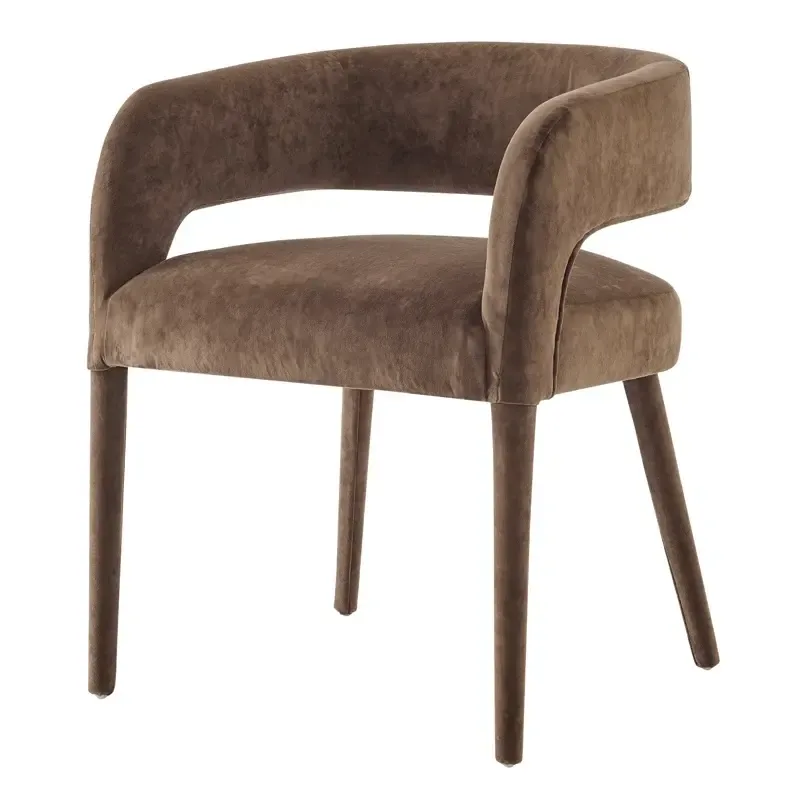 Upholstered Chairs
Foshanchair Nordic Modern Luxury Dining Chair
Genuine leather · MOQ 6 pcs · $75
View model →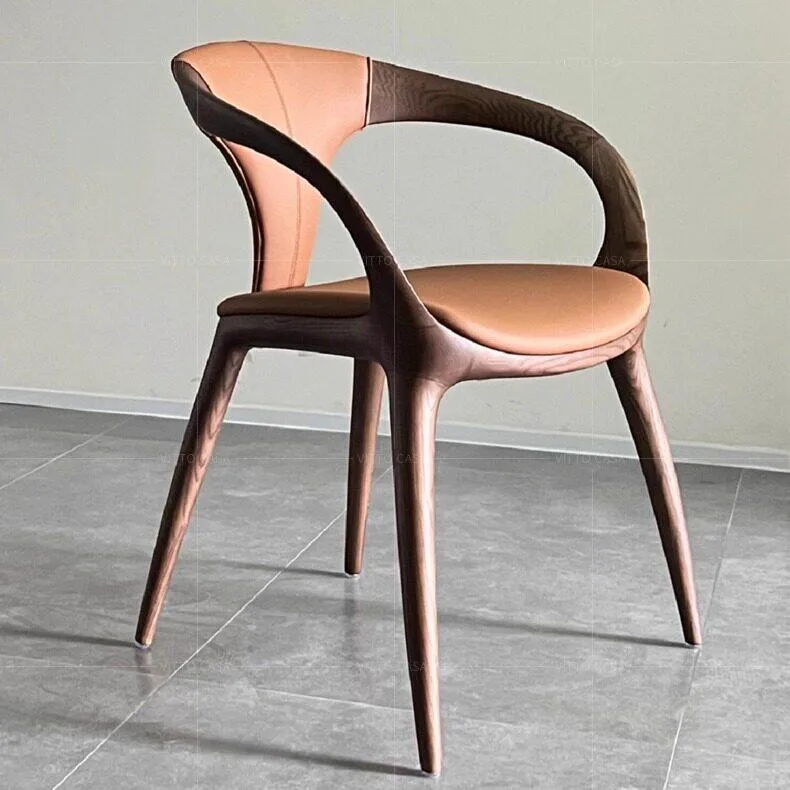 Upholstered Chairs
Foshanchair Modern Solid Wood Frame Dining Chair
Microfibre · MOQ 4 pcs · $145
View model →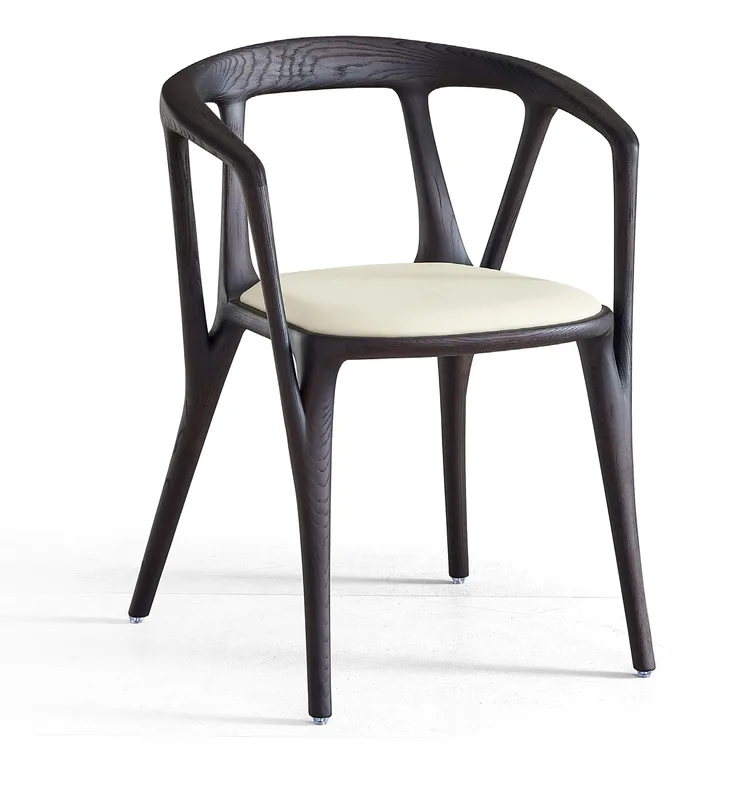 Upholstered Chairs
Foshanchair Luxury Faux Leather Wooden Dining Chair
Solid wood · MOQ 6 pcs · $156
View model →