EUDR Due Diligence for Wooden Chair Imports
Published by Foshanchair · Chair manufacturer in Foshan, China
A wooden chair is now one of the harder furniture lines to import into the EU, and the difficulty is not the chair. Under the EU Deforestation Regulation, the business that first places the product on the EU market has to prove where the wood grew, that the land was not cleared after the cut-off, and that the harvest was legal — before the container clears customs. Application for large operators sits at the end of 2026 with smaller operators six months behind, and the calendar has already moved once, so confirm the current date with your broker. What follows is a working description of the file, not legal advice.
1. The operator is you, not the factory
The regulation covers wood and wood products, which includes wooden seating and wooden furniture. The obligation lands on the operator — the EU company that puts the chairs on the market — and it is discharged by filing a due diligence statement through the Commission’s system and quoting the reference number in the customs declaration. No number, no release. Your Foshan supplier sits inside your supply chain as a supplier, which is a different role from the one you hold. This is also why a Lacey Act declaration habit does not carry over: the US form wants species, harvest country, quantity and value, while the EU file wants geometry — the actual outline of the land. Keep both, but do not assume one covers the other.
2. Plot geolocation is the field that fails first
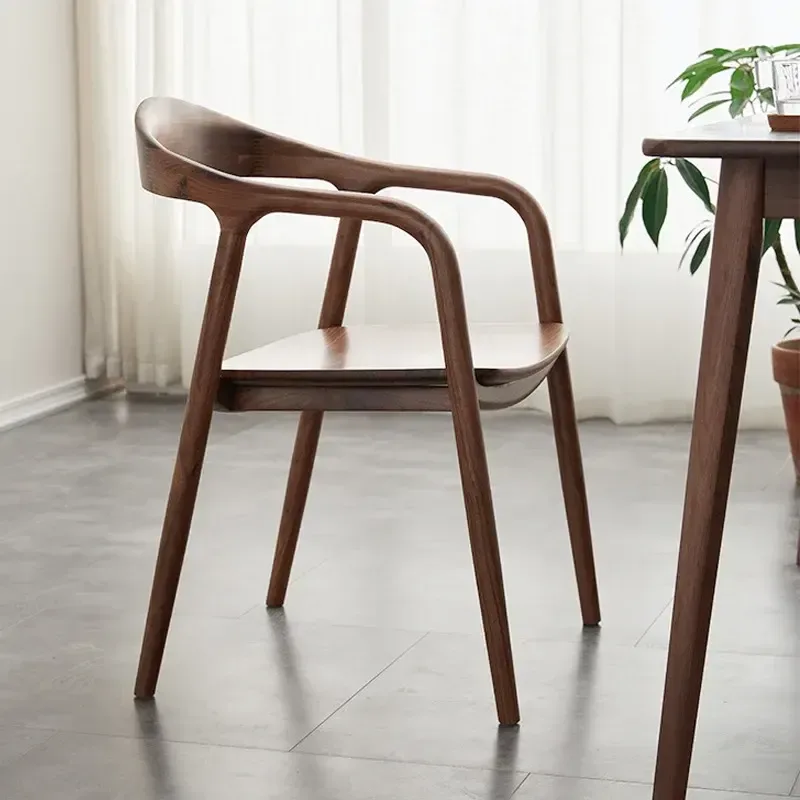
Every plot where the timber was harvested has to be identified by latitude and longitude in WGS84, as a polygon for plots over 4 hectares and as a point for smaller ones. On paper this is a data field. In practice it is the whole job, because chairs are not made from one forest. A programme with beech legs from Germany, an oak frame from France and a rubberwood seat from Thailand needs three chains of custody, and each chain runs factory to lumber yard to sawmill to forest farm to a named parcel of land. Traders break that chain: the factory buys through a wholesaler who will not name the estate, and the coordinates never arrive. Ask for the plot table at quotation, not after the purchase order, because a supplier who cannot produce it in week one will not produce it in week six. Our beech solid wood dining chair line is a fair test case — European beech, bought by species and grade, mapped back to the parcels the sawmill drew from.
3. Deforestation-free and legally harvested are two tests
The cut-off date is 31 December 2020. Wood from land cleared after that date is out, even where the clearing itself was licensed — a permit answers the legality question, not the deforestation one. Legality is a separate test against the producing country’s own rules: harvest rights, felling permits, quota documents, transport papers and the taxes paid on the timber. Both tests have to be answered for every plot on the list. Certification helps here and is often misread. An FSC or PEFC chain of custody certificate is good evidence that a mill buys and handles timber responsibly, and it strengthens a risk assessment, but it does not replace the statement and it does not hand you the polygons. Treat the certificate as one document in the file. The species side of the same paperwork is set out in our guide to lumber grades and yield.
4. A risk assessment you can defend later
Due diligence is not a form-filling exercise; it is an assessment, per shipment, of how likely the wood is to be non-compliant and what you did about it. The factors that matter are the rate of forest loss in the region the coordinates fall in, governance in that country, the species, whether the supply chain is short enough to see through, and how much mixing happens at the mill. Mitigation is concrete: run a satellite check on the coordinates against the 2020 forest cover, audit the mill rather than the trading office, require segregation of certified stock, and keep the evidence with the statement. If residual risk cannot be brought down to negligible, the product cannot be placed on the market — there is no waiver to sign. Low-risk country treatment exists but is simplified, not absent, so check the Commission’s benchmarking list before assuming it applies to your origin.
5. What a Foshan chair actually contains
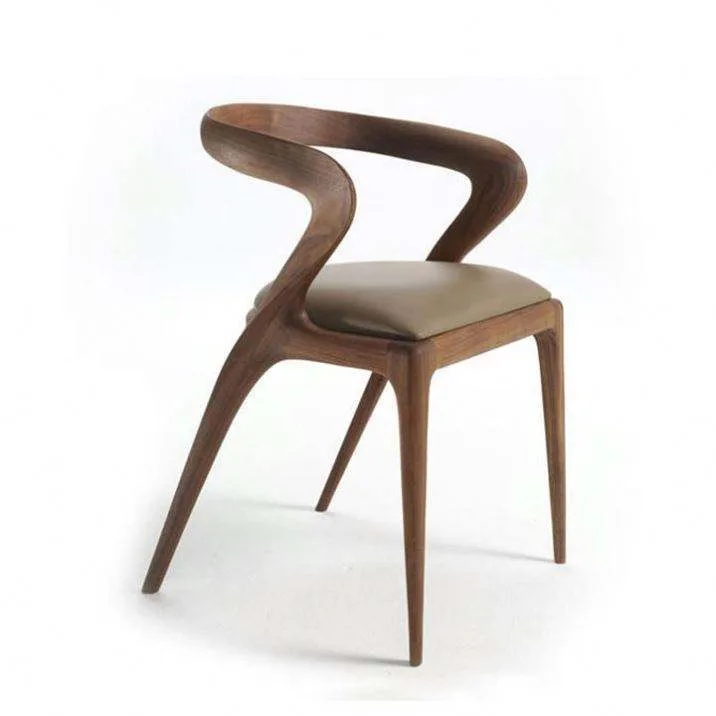
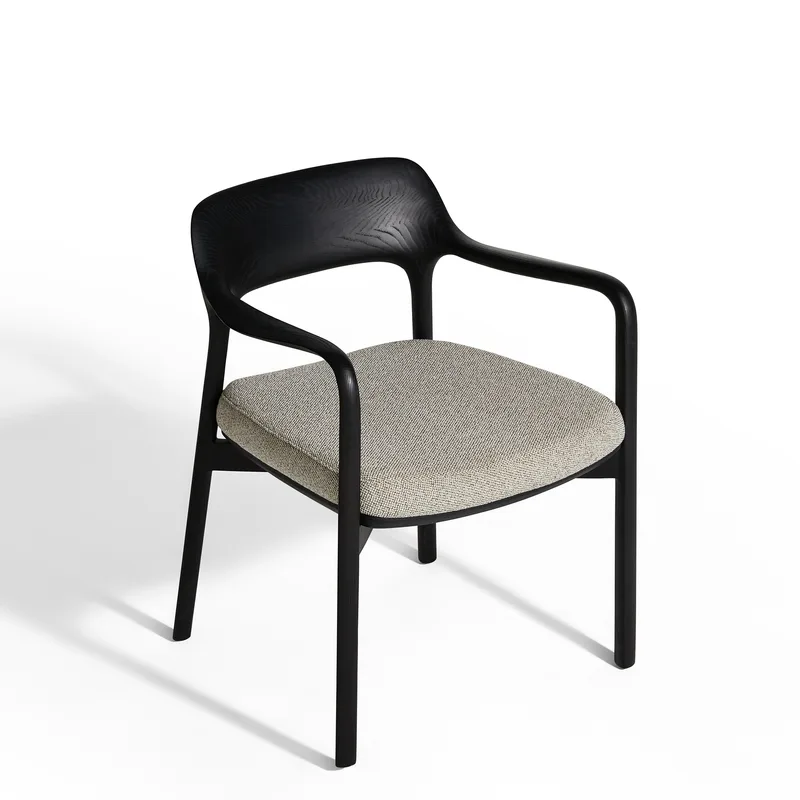
Most chairs leaving Foshan are a mix. Imported European beech or oak and American walnut arrive as lumber or as semi-machined parts, like our solid oak dining chair build, where one species runs through the whole frame. Rubberwood comes from plantations in southern China and Southeast Asia; seats may be plywood or blockboard with a veneer face, and veneer counts as wood. Each species and each origin adds a set of plots, so a six-species programme can easily mean dozens of parcels to document for one container. Two habits cut the workload. Reduce the species count per programme — one frame species and one seat species is a different administrative animal from five — and record for every component whether it is solid or panel, because the panel buyers assume is out of scope is very much in it. The full wooden chair range shows how often a single model splits into three materials.
6. Write it into the purchase order
Six clauses do most of the work. Species per component with the botanical name, not the trade name. Harvest country and region per species. Mill name and address, not the trading company. A plot annex with coordinates, delivered with the quotation and refreshed per shipment. A no-substitution clause: any change of species, mill or origin needs written approval and a fresh statement. And a support obligation — the factory supplies what your file needs within ten working days of loading, and keeps its own records for five years. Test the whole thing on a sample order first, because a forty-day production window means the data has to exist before cutting starts, not before the container is booked. Our OEM team builds that annex into custom programmes and returns the plot table with the quotation.
Conclusion
The EU file is heavier than the US one because it asks for land, not just names. The parts you control are the ones that decide the outcome: fewer species per programme, a supplier who can name the mill, and a plot table demanded at quotation instead of after the deposit. None of that is expensive to build, and all of it is expensive to reconstruct once the container is at Rotterdam. Send the model you plan to import through the contact form and we will return the species, mill and plot worksheet alongside the price.
Related: Lacey Act Declaration for Chair Imports · Chair Import Documents: HS Codes and Duty
Models we build for this
Factory-direct pricing, custom finish and fabric, MOQ from a few pieces.