E-Commerce Chair Packaging: Parcel and FBA
Published by Foshanchair · Chair manufacturer in Foshan, China
A chair that survives a container can still arrive broken through a parcel network. A container carton is handled a handful of times and braced against its neighbours on a pallet. A single parcel is tipped onto a conveyor, dropped down a chute, compressed under other boxes and delivered by someone with ninety seconds at the door — and the carton is the only structure the chair has: no pallet, no strapping, no container wall. If you sell direct, ship to a marketplace or supply a retailer who does, packaging stops being a freight detail and becomes part of the product. The models we build for that channel are in the wooden chair range.
1. Six handling events become twenty
The first thing to unlearn is the container mindset. Export packaging optimises cube: how many units fit in 68 cubic metres, how little board and foam will still pass inspection. That calculation assumes the load shares its strength with everything around it. In a parcel network the box stands alone. Count the events on a domestic delivery — collection, inbound sort, linehaul, outbound sort, two or three chute transfers, the doorstep — and each is a fall of 30 to 90 cm onto a hard surface, most landing on a corner. Add a fortnight in a rack under four boxes and the board that survived a container creases; a crease is where the next drop opens. Our export packaging guide covers the container case; this covers the single unit.
2. Build the carton around one chair, not a stack
A 7 to 12 kg dining chair wants 5-ply BC flute board at K=K grade, or 44 ECT double wall, before internal structure is counted; single wall at 32 ECT holds up only under about 8 kg, and only when the frame rather than the foam carries the load. The carton also sits under four others for a fortnight, so the compression path should run corner to corner through the seat frame and the leg ends. Loose EPS peanuts settle instead: the chair migrates, and the first corner it finds is the one that gets crushed. Moulded pulp caps or EPE corner profiles hold the unit in one position, and a layer of corrugated between seat and back stops finish rub. Hardware goes in a sealed bag taped to the seat pan: a missing bolt reads as a defective chair, and it is the most common assembly complaint we see on commercial restaurant chair orders.
3. Dimensional weight, not weight, sets the freight
Parcel rates are charged on the greater of actual and volumetric weight. With the common 5,000 divisor (cm³ per kg; 6,000 with some carriers, 139 in³ per lb in the US), a 62 × 62 × 102 cm carton of about 0.39 m³ bills as 78 kg against 9 kg on the scale. Carriers then add a length surcharge above roughly 100 cm on the longest side, and an oversize tier above that. The thresholds move by carrier and by year, so check the current table. What does not move is the lever: cube. Knocking the chair down to a 110 × 60 × 22 cm flat carton takes the same unit from 0.39 m³ to 0.145 m³, usually under the long-side threshold, and more than halves billable weight. The trade is assembly — ten to fifteen minutes of a customer's time against a freight line that can differ twofold. For direct-to-consumer that is an easy trade; for a restaurant opening it is not. Our Nordic wooden stackable chair ships in the flat carton.
4. Test to the protocol your channel actually uses
A parcel needs 3A: drops on the same carton in sequence, then random vibration, then compression, because the failures compound — a crease from the fourth drop is what lets vibration finish the job. Drop height steps down with weight: 76 cm below 9 kg, 61 cm to 18.6 kg, 48 cm to 27.7 kg, 38 cm to 45 kg, so a 10 kg chair carton takes 61 cm on a corner, an edge and a face, as a single unit. Marketplaces add their own protocols: ISTA 6-Amazon.com-SIOC if the product ships in its own container, or an over-box test if it does not — and over-boxing doubles the cube, undoing the saving in section 3. FBA also caps a box at 22.7 kg and, at standard size, 45.7 cm on the longest side; a chair lands in oversize either way, where the tiered fees bite. Ask for the report per SKU and watch one drop on the pre-production pack — chair test standards explains how product and packaging tests fit together.
5. Price the return, not just the carton
A crushed corner is not one lost unit. It is the unit, the outbound freight, the return or disposal, and a replacement shipped at your cost — a multiplier of three to five on the carton price you were negotiating. At 2,000 units a quarter, a two percent damage rate is forty chairs and forty claims. Two habits pay for themselves. Photograph every carton at goods-in for the first month: damage clusters identify the failure mode, because corner crush is a drop, face scuffing is a conveyor and a horizontal crease at mid-height is stacking. Then build the return path into the pack — a carton that can be reclosed, a spare hardware bag, an assembly sheet with a QR code to a video. Half of what buyers call damage is a missing part, and a fifty-cent bag prevents it. Arrival damage claims covers the evidence chain when it does go wrong.
6. Write the pack into the purchase order
Everything above collapses unless it appears in the PO. Specify board grade and ECT, internal dimensions with a tolerance of ±5 mm, corner protection by type and thickness, the hardware bag with a counted contents list, label position and artwork, and a carton weight ceiling. Add the channel's own rules if you ship to a marketplace: FNSKU placement, poly-bagging with a suffocation warning, and a pallet footprint and total height, which Amazon publishes at about 1.2 × 1.0 m and 1.27 m. Then the negative clauses, which do more work than the positive ones: no loose fill, no staples through an outer face, no carton above 22.7 kg, no substitution of board grade without written approval. Attach the drop test report for that SKU and a photograph of the packed unit. Re-validate whenever the chair changes, because a 15 mm taller back can tip a carton over a threshold and reprice the whole programme. Our OEM team quotes against a pack specification, and the same clauses apply across the iron chair range.
Conclusion
The carton is the cheapest place to fix a damage rate, and one of the few places a buyer can still move landed cost by a third without touching the chair. Build it around the unit rather than the container, price it on cube, test it against the protocol your channel enforces, and put every one of those decisions in the PO. Send us your channel, carton limits and target damage rate through the contact form and we will propose a pack with the test report attached.
Related: Chair Export Packaging Guide · PPWR Packaging Rules for Chair Importers
Models we build for this
Factory-direct pricing, custom finish and fabric, MOQ from a few pieces.
 Wooden Chairs
Foshanchair Nordic Wooden Stackable Chairs Dining
100% Solid Wood · MOQ 4 pcs · $39
View model →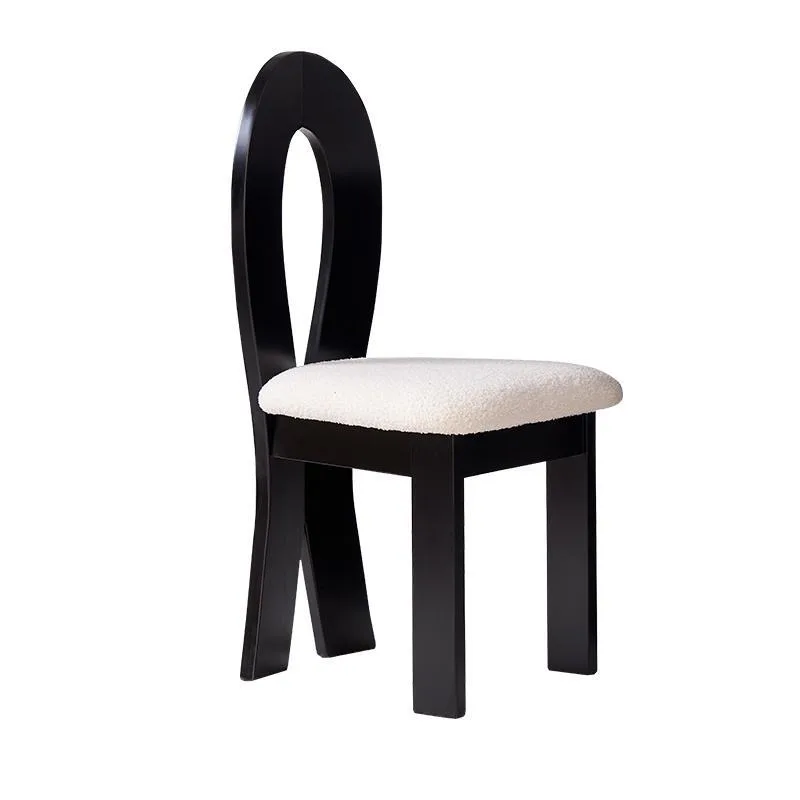 Wooden Chairs
Foshanchair Cross Back Stackable Dining Chairs
Solid wood · MOQ 6 pcs · $55
View model →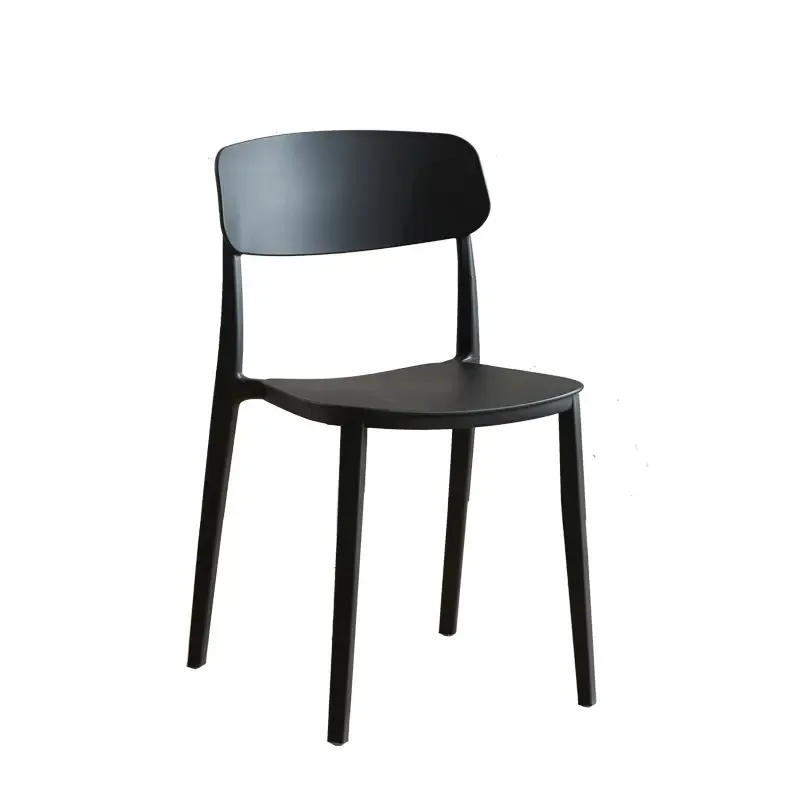 Iron Chairs
Foshanchair Chair Modern Nordic Stackable Black
Iron / leather · MOQ 10 pcs · $18
View model →