Chair Installation and Site Handover Checklist
Published by Foshanchair · Chair manufacturer in Foshan, China
A chair order is judged twice: once when the buyer approves the sample, and again on site, in a two-day window, with painters still finishing and forty people waiting to move furniture in. The problems logged that week are almost never chair problems. They are cartons that do not fit a service lift, assembly labour nobody budgeted, or a touch-up tin that was never shipped. This checklist runs in the order it happens on a project, from the kerb to the signed handover. The models we build for this kind of work are in the chair catalogue, and the sequence below is the one we walk through with project buyers before a purchase order is issued.
1. Measure the route before the container is booked
Start at the kerb: loading bay height and whether a tail-lift is needed, goods lift door width and car depth, the narrowest door on the route, the tightest stair turn, and the corridor width where two people carrying an armchair must pass. A service lift of 1.1 × 1.4 m swallows most cartons upright but not a 1.6 m assembled high-back, and a doorway listed at 900 mm rarely clears a 950 mm pack once architraves are measured. Then count the volume the venue must absorb: 100 side chairs in two-packs run to roughly 18 to 25 m³, a lockable room the site manager has to find before delivery day. If the route fails at one door, two options remain — knock-down delivery assembled on site, or fewer chairs per carton — and both are factory decisions, so raise them before the order. Our solid wood range and metal frame range are packed to either plan.
2. Stage by floor, not by SKU
Cartons leave the factory sorted by model because that is how they were packed; a fit-out team needs them sorted by floor and room. Ask for the packing list to follow your FF&E schedule — floor, room number, quantity — and have each carton marked at the factory. Leave cartons closed until the room has finished painting and flooring, then let solid wood stand in it for about 48 hours at 40 to 65 percent relative humidity, so the frame equalises to the building and not to the truck. Store flat, never on edge against a wet screed, and respect the stack limit printed on the carton. Delivered early and stacked in a damp basement, a good chair reaches handover with a joint already moved. Sourced through an experienced chair manufacturer, the same order can be phased to the fit-out programme.
3. Assembled or knocked down: price the labour either way
Knock-down packing is a saving on freight, not on the chair: the same side chair packs at roughly half the cube, which on a 40 ft container is the difference between about 1,100 and 2,000 pieces. That saving returns as site labour. A four-bolt side chair takes eight to fifteen minutes with a hex key; an armchair with an apron and a separate arm joint takes twenty-five to forty, and a pair works faster than four people alone because one holds the frame square. Budget per chair, not per hour. Three rules prevent most assembly defects: leave every bolt loose until all are threaded so the frame finds its alignment, tighten to 8 to 12 N·m into a threaded insert rather than until the timber creaks, and add a drop of medium threadlocker to any bolt that sees daily use. A chair that needs a jig will be assembled badly, so settle it with the OEM team at order stage.
4. Protect the building while you work
Installation damage is the cost nobody claims, because the buyer’s own contractor caused it. Cover the walked route with 3 mm hardboard over corrugated board, not with the cartons the chairs arrived in — printed card slides on dust and the ink transfers to pale flooring. Carry chairs, never slide them: a nylon glide on a gritty floor works like sandpaper and the marks appear the week after handover. Pad the lift interior, tape corner guards to the columns at every turn, and keep the assembly area away from wet trades. Cardboard is the hidden problem — 100 chairs generate 30 to 50 kg of it, so flatten and band it as you go instead of leaving a mound in the service corridor. Our commercial restaurant range ships in reinforced cartons for this route.
5. Snagging: number every chair
Label each chair with the room and position code from the layout plan and snag against the plan, not against a row of chairs that all look alike. Log defects in five buckets — frame, finish, upholstery, hardware, stability — and photograph each with a tape in shot for scale. Set tolerances in writing at order stage, while they are still arguable: more than 1 to 2 mm of rock on a flat floor is a defect, a seat frame with more than 2 mm difference between diagonals is twisted, and a visible colour step between cartons on one table of six is a batch issue, as the notes on colour matching across reorders explain. Separate transit damage from installation damage on day one: a transit claim needs carton photographs taken before unpacking and usually closes within 7 to 14 days, while a scratch found after the chair was carried upstairs is not a factory claim. The procedure is in chair arrival claims.
6. What goes into the handover pack
Handover is a box, not a signature. It should hold a 0.5 L tin of touch-up paint matched to the powder or lacquer code printed on the purchase order — a pen is not enough for a leg chipped at the joint — two to four spare glides per hundred chairs in the same thread size, spare bolts and inserts at about 5 percent, one care sheet per hundred chairs, and the warranty with its exclusions written out. Add one spare chair per fifty so a damaged seat is swapped in an hour instead of triggering a reorder. Then diarise the two checks that keep the order inside warranty: retorque every knock-down bolt at 30 days, once the timber has settled, and replace felt glides at the first sign of wear. Keep the approved specification sheet with its finish and fabric references, because a reorder eighteen months later will not match off a photograph; the hardware side is in knock-down chair hardware.
Conclusion
Most of the risk in a chair project sits after the container clears customs, in a week when nobody from the factory is on site. The route, the staging plan, the assembly rate and the handover pack are all decided before the order is confirmed, and each of them costs a fraction of the rework it prevents. Send the floor plans, the lift dimensions and the opening date through the contact form and we will price the order around that site rather than around a catalogue page.
Related: Chair Arrival Claims: Damage and Shortages · Hotel Chair Rollouts Across Properties
Models we build for this
Factory-direct pricing, custom finish and fabric, MOQ from a few pieces.
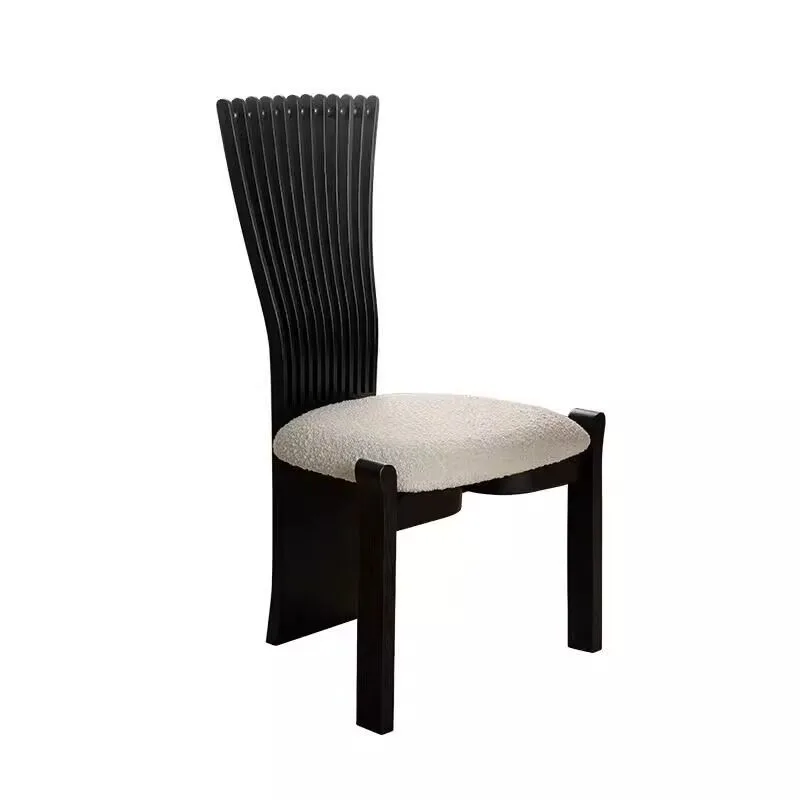 Wooden Chairs
Foshanchair Chairs Modern Hotel Dining Room High
Solid wood · MOQ 6 pcs · $60
View model →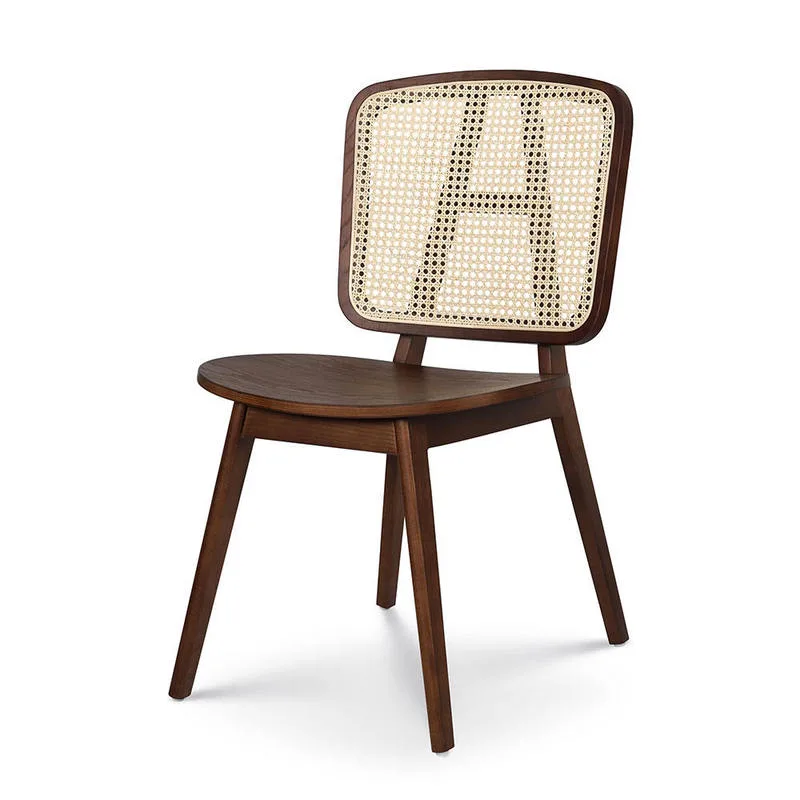 Wooden Chairs
Foshanchair Modern Solid Wooden Designer Wedding Chairs Dining Chair
Ash wood · MOQ 6 pcs · $45
View model →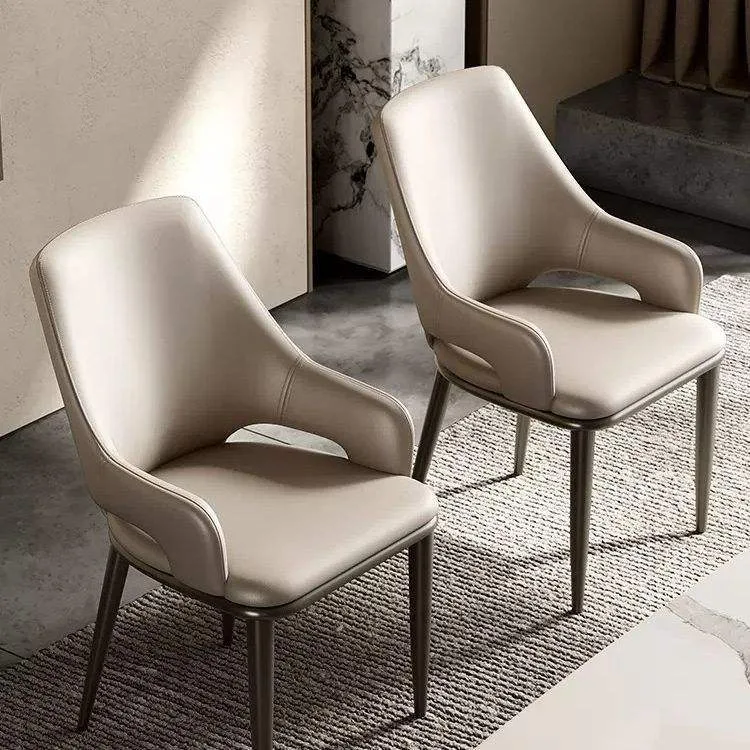 Iron Chairs
Foshanchair Italian Nordic Leather Dining Chairs
Metal and leather · MOQ 6 pcs · $24
View model →