Chair Brand Trademarks: Register and Protect
Published by Foshanchair · Brand and sourcing desk in Foshan, China
A private-label chair programme puts your name on every carton, every listing and every invoice. Buyers spend on photography, packaging and advertising, then discover two years later that the name was never theirs — a factory, a distributor or a stranger on the other side of the world filed it first. Unlike a chair design, a brand is cheap to register and expensive to recover, and the whole job costs less than one container. This is the sequence that works when you buy from a chair manufacturer in Foshan, written from the factory side of the table.
1. What a chair trademark actually covers
File the name as a word mark, not only as a logo. A word mark protects the text in any typeface, colour or layout, so every future version of your label is covered; a figurative mark protects one drawing and nothing else. Chairs sit in Class 20, furniture; add Class 35 if you also sell at retail or run a store, because a competitor using your name as a shop sign is a services infringement. Be clear about the limits: a trademark protects the name, not the chair. Shape and construction are design-patent and copyright territory, which is a separate filing with its own timetable — see protecting custom chair designs in China. What you get from a trademark is the right to stop someone selling this leather dining chair under your name, and the paperwork marketplaces demand before they act.
2. Where to file, and in what order
Start in China, because that is where the goods are made and where the copying happens, then cover the markets that actually generate revenue. China runs first-to-file through the CNIPA: roughly 9–12 months to registration, 10-year term, renewable. The EU is one filing for all member states at EUIPO, usually 4–6 months. The US takes 8–12 months and requires proof of use in commerce, with a maintenance declaration between years five and six. The UK is a separate national filing since Brexit, even if you hold an EU mark. Once you have a home filing, the Madrid Protocol lets you designate China or other members from one application; a designation into China is typically examined over 12–18 months. Official fees are a few hundred dollars per class and agents usually double that, so a three-market, two-class programme lands in the low thousands — the same order as the tooling budget on one custom model. Filing before you publish catalogues is not caution; it is the cheap order of operations for any chair range you intend to keep.
3. The China filing hazards buyers walk into
China is first-to-file, so the registrant owns the mark whether or not they invented it. Squatters watch new marketplace listings, downloadable catalogues and exhibitor lists, then file the name in Class 20 and offer to sell it back. If you catch it in time you can oppose within three months of publication, or seek invalidation within five years on bad-faith or prior-right grounds; both routes cost more than a filing and take a year or more. Factories do the same thing for different reasons, registering a model name or a buyer's brand to hold the relationship. Before releasing tooling for a microfibre dining chair, search the register in the factory's name. Then build a use file: dated invoices, bills of lading, advertising spend and archived catalogue PDFs with print dates. That file is what proves prior use, and it is also what defends you against a three-year non-use cancellation, which any third party can bring in China if a registered mark sits idle.
4. Marketplace brand protection
Amazon Brand Registry accepts only a registered trademark in the marketplace's own country — a pending application is refused, which is why the USPTO timeline matters before launch, not after. Once enrolled, you unlock A+ content, Brand Story, Sponsored Brands, Transparency codes and Project Zero, and your infringement reports carry a registration number instead of being closed for lack of rights. Alibaba's IP platform works the same way: certificate first, takedown second. Practical timing: file at least a year before the listing goes live, or accept that your first twelve months of wooden chair sales have no enforceable brand behind them. Serialised carton labels help here too, and they are cheap to add when you specify packaging alongside parcel and FBA packaging.
5. Customs recordal, the step most buyers skip
China Customs runs an IPR recordal system that most importers never hear about. Record the registration with the GACC and customs officers can detain suspected export shipments on their own initiative instead of waiting for you to spot the goods abroad. The official fee is around RMB 800 per application, review takes about 30 working days, and a recordal is valid for up to 10 years alongside the underlying mark — renew before it lapses. You need the certificate and proof that you authorise production. On the destination side, US CBP recordal is free and an EU customs application covers the whole union. Weighed against a container of counterfeit solid wood leather chairs, this is the cheapest enforcement instrument available to a small importer.
6. What to put in the order paperwork
A brand clause belongs in the purchase order, not in a side email. State that the buyer owns all marks used on the goods, that the factory files nothing in its own name — including model names the buyer created — and that the buyer grants a limited licence to apply the mark to goods made for the buyer only. Add that the factory may not show the branded product in catalogues, on its website, at trade shows or as a reference customer without written consent, and that any registration the factory already holds covering the name must be assigned before tooling starts. Split costs explicitly: buyer pays filing and renewal, factory pays for its own compliance and any licence recordal. Then diarise an annual review — expiry dates, new filings in your classes, and what the factory is publishing. On OEM and ODM projects the same annex covers the artwork files; the wider version for a custom logo programme is in custom restaurant chairs with your logo.
Conclusion
A chair brand is the one asset in a private-label programme that a competitor cannot copy by buying the same factory. Register the word mark in China and in your selling markets before the catalogue goes out, record it with customs, and write the ownership clause into the first order rather than the tenth. Foshanchair builds private label ranges for importers who own their brand — browse the chair catalogue or send us your spec and we will quote with the labelling and packaging detail included.
Related: Private Label Chairs: Build Your Brand · Protecting Custom Chair Designs in China
Models we build for this
Factory-direct pricing, custom finish and fabric, MOQ from a few pieces.
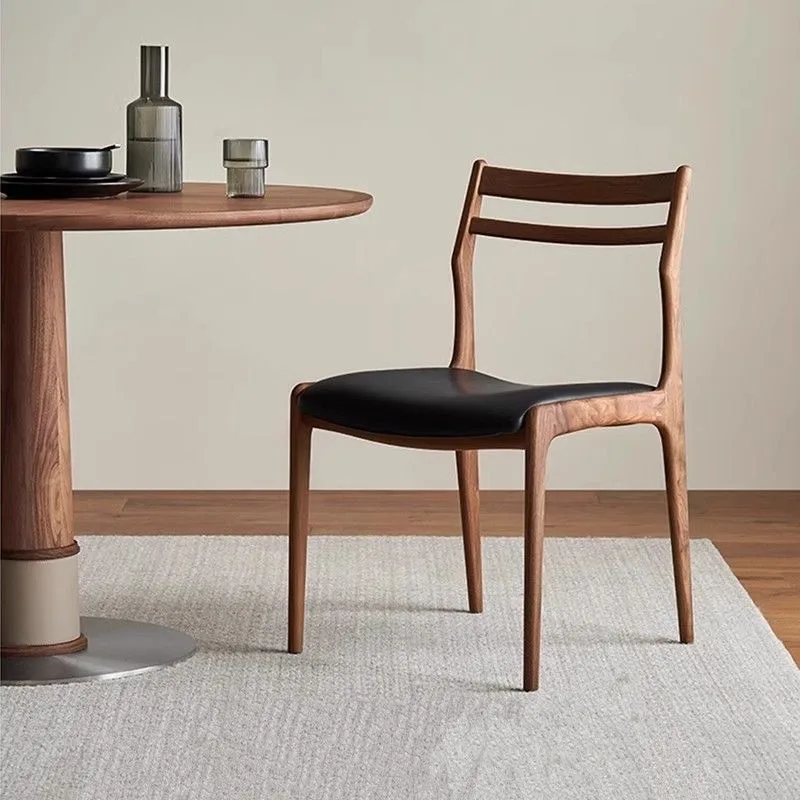 Wooden Chairs
Foshanchair Modern Solid Wood Leather Chairs
100% solid wood · MOQ 6 pcs · $85
View model →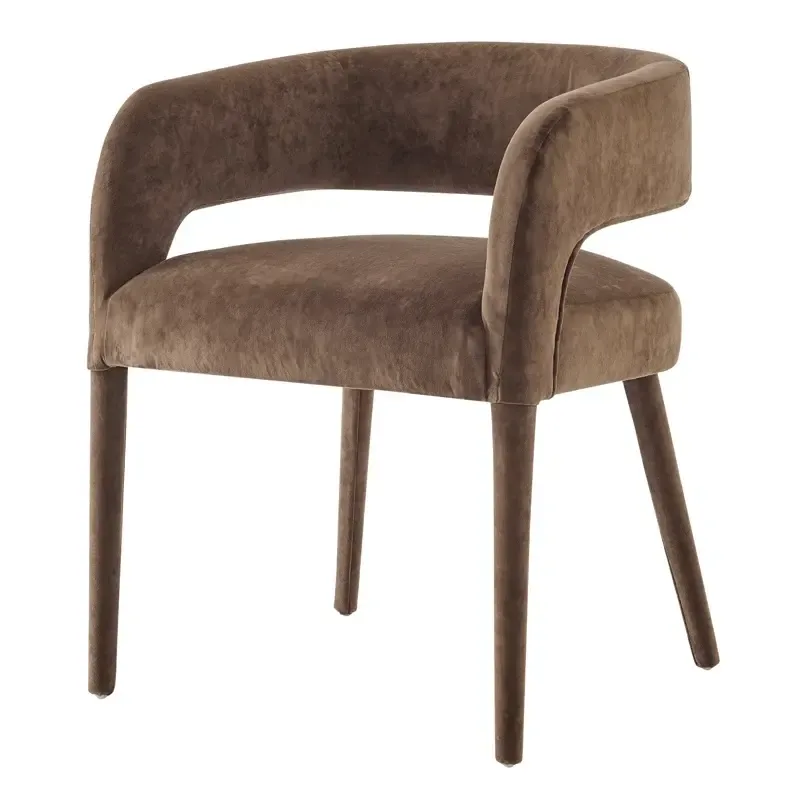 Upholstered Chairs
Foshanchair Nordic Modern Luxury Dining Chair
Genuine leather · MOQ 6 pcs · $75
View model →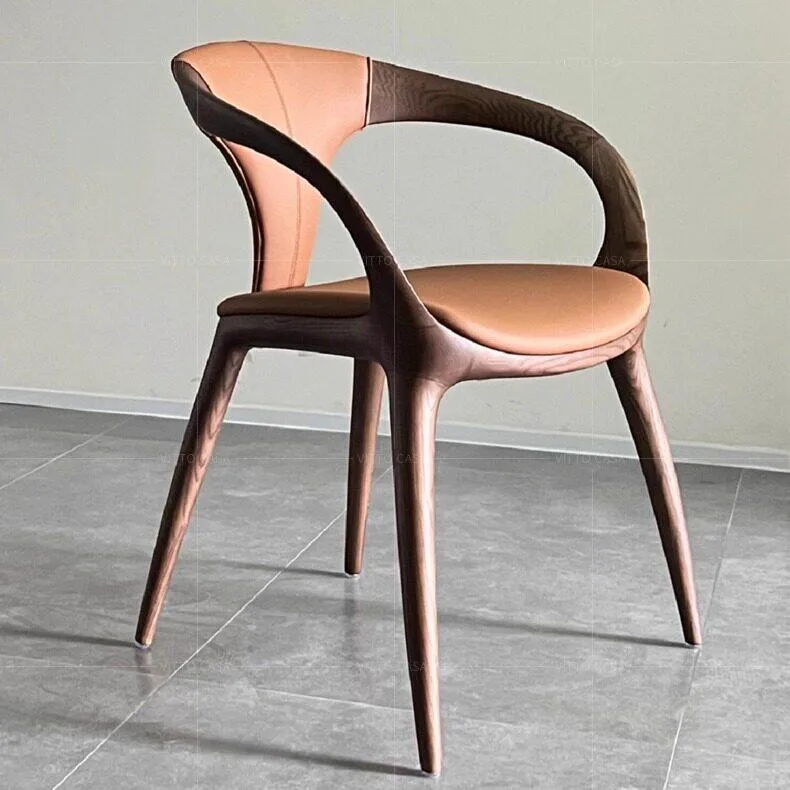 Upholstered Chairs
Foshanchair Modern Solid Wood Frame Dining Chair
Microfibre · MOQ 4 pcs · $145
View model →