UK Chair Import Rules: Fire, EPR and REACH
Published by Foshanchair · Chair manufacturer in Foshan, China
A UK buyer asks for the chair you already ship to Germany, then asks for the fire label, the packaging data and a UK REACH statement. Nothing about the chair changed; the paperwork did. Great Britain now runs its own chemical, packaging and consumer-product regimes, Northern Ireland sits under the EU ones, and a single European specification no longer covers both. This guide sets out what a chair supplier has to demonstrate to a UK importer in 2026, using our upholstered leisure chair range as the worked example.
1. Great Britain and Northern Ireland are two different markets
Ask for the delivery postcode before you quote. England, Scotland and Wales follow UK REACH, the UK fire regulations, UK packaging EPR and the Plastic Packaging Tax. Northern Ireland follows EU REACH and EU packaging rules under the Windsor Framework, so a pallet addressed to Belfast is, in compliance terms, an EU delivery with a UK freight label on it. The difference bites in three places: which chemical declaration you file, which packaging registration the importer holds, and whether the fire label wording alone is enough. The workable answer is two annexes to one quotation — one for GB, one for NI — and a line on the order confirmation naming the destination. Never accept “UK compliant” without a postcode attached to it.
2. Fire: the 1988 regulations still decide upholstered seating
The Furniture and Furnishings (Fire) (Safety) Regulations 1988 are the gate for upholstered chairs sold into the UK, enforced by Trading Standards. They work in layers: Schedule 1 governs filling materials, in practice combustion-modified high-resilience foam rather than standard block foam; Schedules 2 and 3 govern covers and interlinings against cigarette and match ignition sources; and a permanent label must be attached to the finished chair. The point suppliers most often miss is that the test is a composite one. A fire-retardant cover over untreated foam can fail while the same cover over the same foam with an interliner passes, so a fabric certificate and a foam certificate filed separately prove nothing. Ask for the report naming the exact foam grade, cover article and interliner together. Purpose-built contract seating is generally read as outside the regulations’ domestic-use scope, but hotels, serviced apartments and student accommodation are routinely treated as domestic-style use, so most UK buyers specify crib 5 anyway on velvet upholstered dining chairs and lounge models.
3. Packaging: EPR thresholds and the Plastic Packaging Tax
Packaging Extended Producer Responsibility went live on 1 January 2025, which is why UK importers now ask for a packaging bill of materials before they ask for a price. Large producers — turnover above GBP 2 million and more than 50 tonnes of packaging a year — report twice yearly and pay disposal fees; small producers, above GBP 1 million and 25 tonnes, report data only. Household packaging turns on where the box ends up, not on whether your customer is a business. Recyclability ratings now adjust the fee, so film, laminated wraps and EPS corner blocks cost more than plain corrugated. Separately, the Plastic Packaging Tax charges GBP 228.82 per tonne from 1 April 2026 on plastic packaging containing under 30 percent recycled plastic, with registration at 10 tonnes imported in twelve months. From 1 April 2027 pre-consumer plastic stops counting towards that 30 percent, retiring a lot of recycled-content claims built on factory offcuts. Paper-based protection on your chair orders now pays for itself within months.
4. Chemicals: UK REACH is not an EU REACH photocopy
UK REACH is a separate regime administered by the Health and Safety Executive. Existing EU registrations were carried across through the initial notification window, but the substance data sits in a different system and the two candidate lists of substances of very high concern have started to diverge. Two practical consequences follow. First, an EU REACH declaration is a starting point for a GB sale, not a substitute, so ask the factory for a statement naming the UK candidate list and the registration status of every substance intentionally present above 0.1 percent by weight in the finished chair. Second, the SCIP notification your EU customer files with ECHA satisfies nothing in Great Britain, which has no equivalent database. Wood finishes, adhesives, flame retardants and coated fabrics are where the answers matter on a chair, and a supplier holding the paperwork answers in a day. Our solid wood chair range is documented this way.
5. Marking: no UKCA, but the importer’s name still matters
Furniture is not in the product groups that require UKCA marking, so treat any UKCA certificate offered for a dining chair as a sign the supplier is copying documents rather than reading them. What does matter is commercial traceability. UK buyers normally require the importing company’s name and trading address on the carton or a label, since that is the party Trading Standards contacts first and the importer of record carries legal responsibility for a non-compliant delivery even when the fault sits in Foshan. The permanent fire label, where one applies, has to survive cleaning and stay legible for the life of the chair, which rules out a sticker on a dust cover. Agree the label artwork at sample stage, keep it in the approval file, and treat the importer’s details as a variable field rather than reprinting cartons per customer. Our OEM and private label process handles this as a standard step.
6. A one-page UK annex for the purchase order
Six lines do most of the work. Destination: GB or NI, in words. Fire: crib 5 on the cover, interliner and foam as a tested composite, permanent label artwork approved. Packaging: a bill of materials listing each component by material and gram weight, plastic components at 30 percent or more recycled content, no EPS, recyclability grade noted. Chemicals: UK REACH statement against the UK candidate list, dated within twelve months. Marking: importer name and address, label position. Documents: invoice, packing list, the composite fire report and the packaging data sheet, all issued before shipment rather than after arrival. Add one timing clause: packaging data is reported twice a year, so the importer needs it at order confirmation, not at the port. Price, MOQ, finish and lead time stay on the commercial pages of the solid wood leather dining chairs you are buying.
Conclusion
The UK is not a harder market than the EU, it is a differently documented one: one fire regime, one packaging tax, one chemical register, and a border down the Irish Sea that splits all three. Suppliers who answer those four questions in writing at quotation stage win the order; suppliers who answer with a folder of EU certificates lose it at the second email. Foshanchair holds composite fire reports, packaging data sheets and UK REACH statements per model — send your delivery postcode and quantity and we will confirm which annex applies before you commit to a container.
Related: PPWR: EU Packaging Rules for Chair Importers · Chair Chemical Compliance: REACH and Prop 65
Models we build for this
Factory-direct pricing, custom finish and fabric, MOQ from a few pieces.
 Wooden Chairs
Foshanchair Luxury Leather Dining Chairs High-Quality Velvet
Ash wood · MOQ 50 pcs · Get Quote
View model →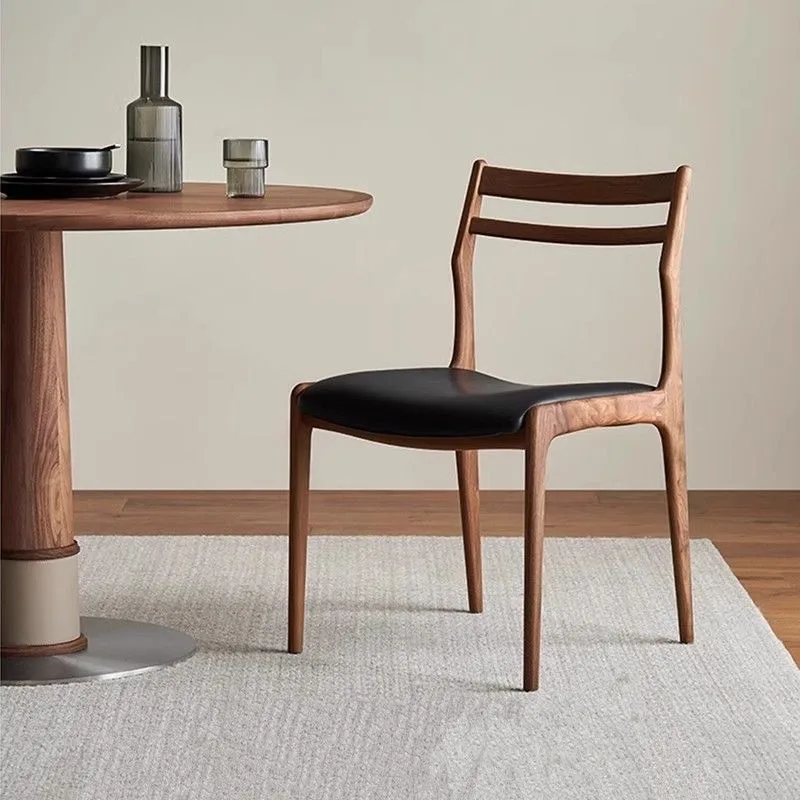 Wooden Chairs
Foshanchair Modern Solid Wood Leather Chairs Restaurant
100% Solid Wood · MOQ 6 pcs · $85
View model →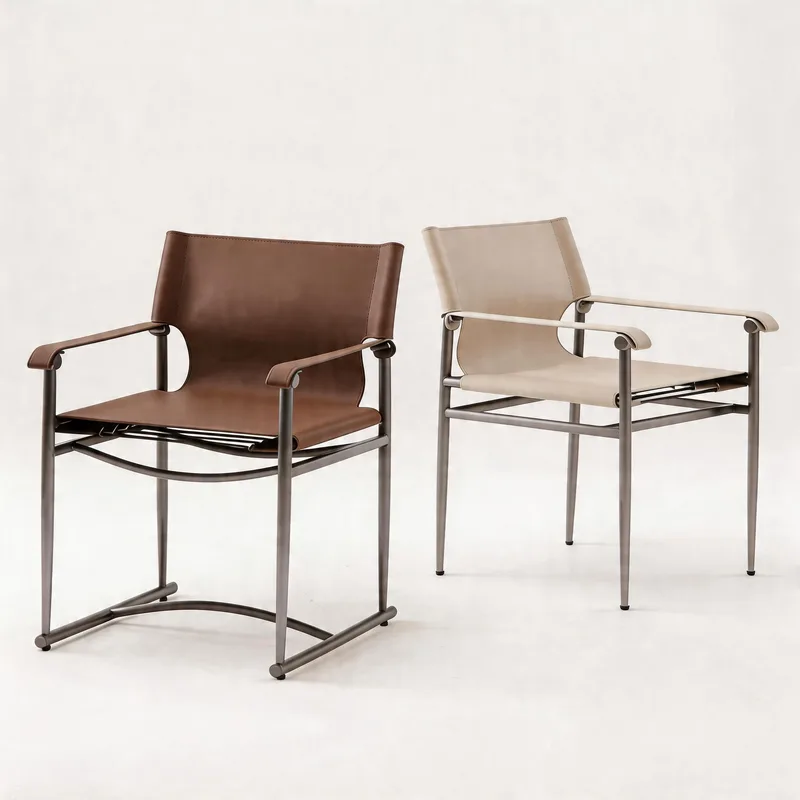 Stainless Steel Chairs
Foshanchair Silver Stainless Steel Restaurant Velvet Chair
Stainless steel · MOQ 4 pcs · $150
View model →