Small-Batch Furniture Manufacturing: Pros, MOQ & Lead Time
Published by JP · Custom chair studio in Foshan, China
Small-batch manufacturing is the middle path between one-off craft and container-scale production. For chair brands it is often the smartest path: enough volume to look real, little enough to stay flexible. Here are the trade-offs.
1. Pros: flexibility and low risk
Small batches let you launch, learn and pivot without warehouses of unsold stock. You can run seasonal colours, test a new model or serve a boutique client — then stop or scale on real demand.
2. Cons: higher per-unit cost
Setup, tooling and labour spread over fewer units, so the unit price is higher than at container scale. For many brands the saved working capital and avoided dead stock outweigh the premium.
3. Lead time reality
After sample approval, small batches typically run 15–25 days, faster than a full container because there is less to build and pack. Plan reorder points so you never stock out while a batch is in motion.
4. When to choose it
Choose small-batch to validate, for limited editions, for multi-model ranges from low MOQ, and for any market where demand is uncertain. Move to mass production only for proven, steady sellers.
Related: Low MOQ Chair Manufacturer · Custom OEM/ODM Process · Chair Sample Approval Checklist
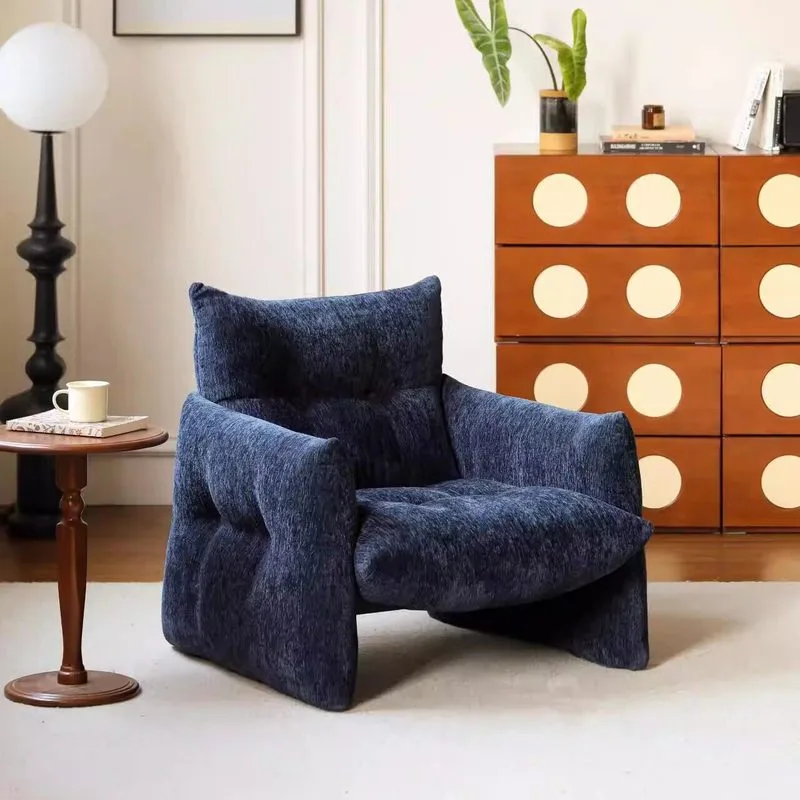
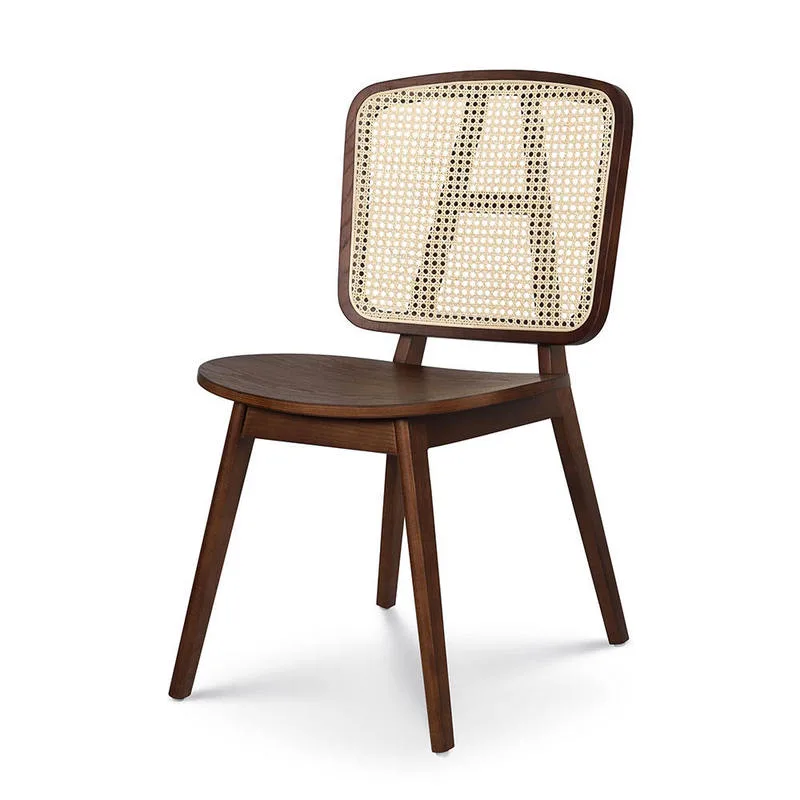
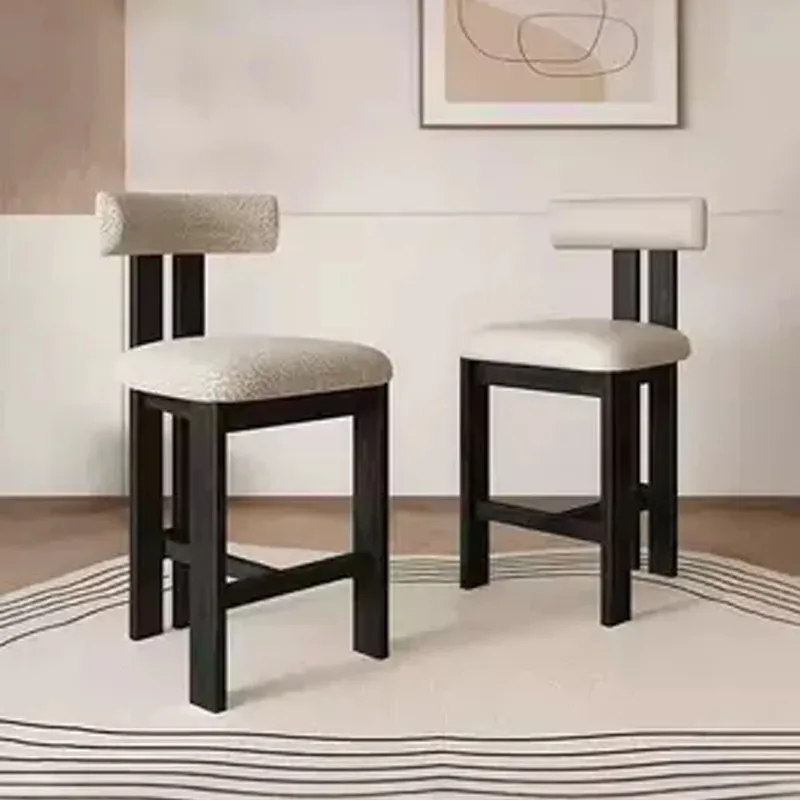
Models we build for this
Factory-direct pricing, custom finish and fabric, MOQ from a few pieces.