ISPM 15 and Fumigation for Chair Exports
Published by Foshanchair · Wood packaging and export compliance, Foshan, China
Most chair orders leave Foshan without trouble. The ones that stall usually stall on paper, and wood packaging is the most common piece of paper. A container of good dining chairs can sit at destination because the pallet underneath carries no ISPM 15 mark, or because the mark says MB when the destination only accepts HT. This guide covers what the rules actually apply to, how to read a stamp, when a phytosanitary certificate is also needed, and the clauses worth writing into the purchase order. It is the check we run before a container leaves our Foshan workshop.
1. What ISPM 15 covers — and what it does not
ISPM 15 is the international standard for wood packaging material in trade. It targets solid wood that could carry live pests: pallets, crates, dunnage and bracing. Processed boards — plywood, MDF, particleboard, OSB — are exempt, because the heat and pressure used to make them already kill anything inside. The commonest misunderstanding is scope. Your chairs are cargo, not packaging. A solid wood dining chair needs no stamp; the pallet under it does. Buyers who inspect a container and find no mark on the furniture have found nothing wrong. Buyers who find a bare, unmarked pine pallet have. Floor-loaded shipments with no wood packaging fall outside the rule, but most forwarders palletise anyway, so plan for it. Our solid wood chair range is where this comes up most, because wood buyers notice wood packaging.
2. Heat treatment, kiln drying and fumigation are three different things
Three terms get used interchangeably in quotations and they are not the same. Heat treatment (HT) raises the core of the wood to 56 °C for at least 30 continuous minutes; dielectric heating (DH) does the same at 60 °C. Both are dry, chemical-free and fast. Methyl bromide fumigation (MB) is a chemical process in a sealed chamber followed by an aeration period, usually a day of schedule. Kiln drying is not a packaging treatment at all: it is a moisture operation on the lumber that becomes your chair, and it does not qualify the pallet beneath it. Ask for HT and say so in writing. The EU and UK have not accepted MB for ISPM 15 since 2010, so a container marked MB can be refused in Rotterdam even though the treatment was legal at origin. MB is also under phase-out pressure, and some buyers reject it on residue and odour grounds. Keep this separate from finish decisions, which belong in the OEM specification.
3. Reading the mark: four elements and one condition
A compliant stamp carries the IPPC wheat symbol, the ISO country code (CN for China), the registration code of the treatment provider, and the treatment code itself (HT, DH or MB). A fifth requirement is easy to miss: the wood must be debarked, because bark is where pests live, so a stamped pallet with bark attached can still be rejected. On a standard pallet the mark should appear on two opposite sides, in ink that survives a sea voyage. Check legibility, not just presence — faded, smudged or staple-damaged marks are refused routinely. Reused pallets are the weak point in most chains: a pallet that has had a board replaced is no longer compliant unless the repair was done and re-marked by a registered provider. Ask for photographs before loading, one per pallet type, and keep them with the shipping documents. When we pack beech dining chairs for a full container, those photos go into the same folder as the packing list.
4. When a phytosanitary certificate is also required
A phytosanitary certificate (PSC) is a government document, issued in China by customs after inspection, certifying that the consignment meets the importing country's plant health requirements. It is not the ISPM 15 mark. The mark travels on the wood and covers packaging; the PSC covers the goods and is issued per shipment. Australia and New Zealand are strictest, and buyers in India, Egypt, Brazil and parts of the Gulf routinely ask for one, while other destinations never do. Confirm the requirement with your own customs broker rather than the factory, because it belongs to the destination. A PSC needs an inspection slot, typically one to three working days before loading, and must match the invoice and packing list exactly on quantity, description and marks. Amendments after issue are slow and occasionally impossible, so finalise the documents before booking the inspection. The rest of the document set is covered in chair import documents and HS codes.
5. What compliance costs, and what non-compliance costs more
Treated packaging is not expensive. The premium on a heat-treated pallet is a few dollars at most, and many factories absorb it because it is the default. Methyl bromide runs into the low hundreds of dollars per container once chamber time and aeration are counted, plus a day of schedule. A phytosanitary certificate is a modest fee with a one-to-three-day inspection window. The expensive scenario is the one at the far end: on-arrival treatment, forced re-export or destruction, plus storage and demurrage, can cost several hundred dollars per container and three to ten days, and a hotel opening does not wait. That asymmetry is the argument for treating packaging as a specification item. Mixed-model containers make it more complex rather than less — the full catalogue and models such as our ash dining chair show how frame types consolidate per load.
6. Destination notes and the clauses worth writing
Europe and the UK accept HT or DH only, debarked, marked on two sides, no MB. The United States accepts HT, DH and MB, but the mark must still be compliant. Australia and New Zealand: expect a biosecurity inspection, confirm whether an import permit or species-specific treatment applies, and note that seasonal stink bug measures run from September to April — furniture is rarely a target commodity, but containers can still be inspected, so check with your forwarder. For the Gulf, India and Egypt, ask the consignee's broker about the PSC early, because it changes the loading schedule.
Six lines cover most of the risk in a purchase order: all solid wood packaging heat-treated to ISPM 15 and marked with IPPC symbol, CN, provider code and HT; no methyl bromide; bark-free and no repaired pallets unless re-treated and re-marked by a registered provider; phytosanitary certificate when the destination requires it, with cost and lead time agreed in advance; photographs of pallet marks before loading; supplier liable for destination treatment costs and demurrage caused by non-compliant packaging. The ten-minute loading check is to walk the pallets, read the mark on two sides, confirm HT rather than MB, look for bark, photograph, and match the PSC to the invoice. If any of that fails, hold the container at the factory. Send your destination and we will confirm what the packaging needs: request a quote.
Conclusion
ISPM 15 is a packaging rule, not a product rule, and that distinction resolves most of the confusion around it. Specify heat treatment in writing, insist on a legible debarked mark, confirm the phytosanitary requirement with the destination rather than the factory, and photograph the pallets before they disappear into a container. None of it adds meaningful cost at origin; all of it prevents the kind of hold that adds weeks at the other end. Foshanchair packs every order to the destination's rules and documents it — send your port and quantity and we will confirm the packaging spec with the quotation.
Related: Export Packaging for Chairs · Chair Import Documents and HS Codes
Models we build for this
Solid wood frames, export-packed to your destination's rules, MOQ from 6 pieces.
 Wooden Chairs
Foshanchair Beech Solid Wood Dining Chairs Thickened Load-bearing
Beech · MOQ 6 pcs · $45
View model →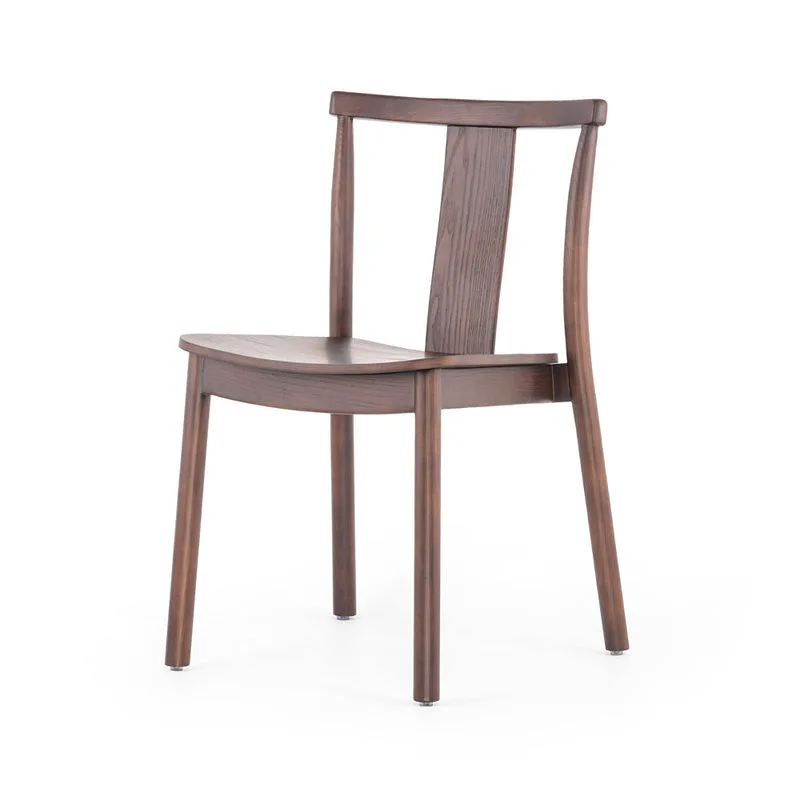 Wooden Chairs
Foshanchair Nordic Ash Wood Solid Wood Dining Chair Minimalist
Ash wood · MOQ 6 pcs · $72
View model →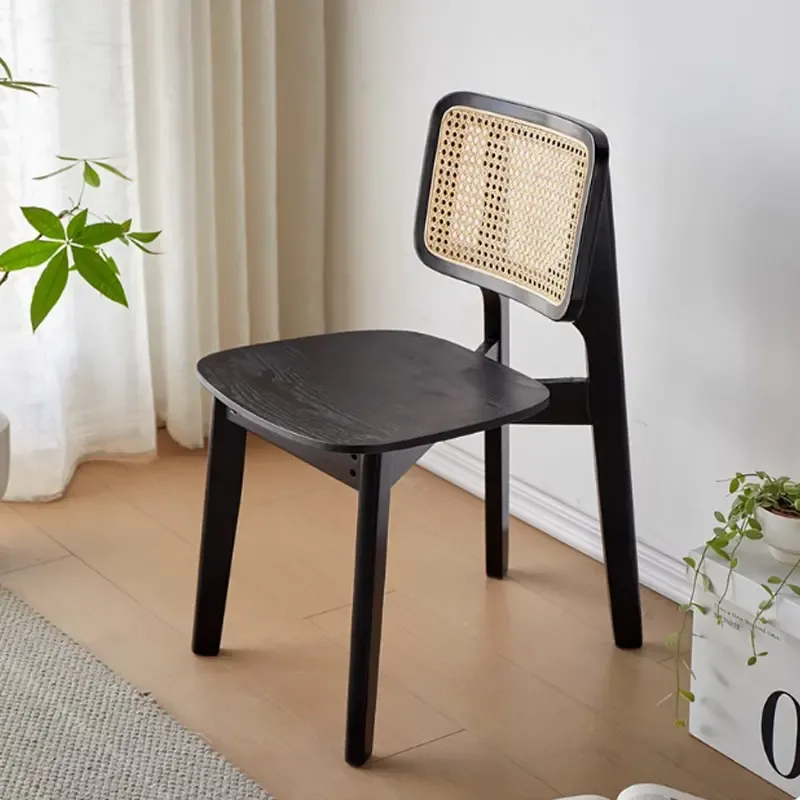 Wooden Chairs
Foshanchair Modern Solid Wood Dining Chair Black Walnut Rattan
Black walnut · MOQ 6 pcs · $45
View model →