Stainless Steel Chairs: 304 vs 201 Grade Buying Guide
Published by JP · Dining chair studio in Foshan, China
Two stainless steel chairs can look identical in a catalogue and behave completely differently after eighteen months in a hotel dining room. The difference is the alloy grade, the wall thickness of the tube and the quality of the polish behind the shine. This guide walks through the six specifications worth writing into a purchase order, using the same checklist we apply on our own Foshan production floor before a container leaves.
1. Where stainless steel beats other frames
Stainless steel is the frame of choice when a project needs a bright, engineered look that survives heavy cleaning. It beats powder-coated iron in wet environments because there is no paint film to chip, and it holds a tighter profile than solid wood — which is what allows the slim silhouettes that define modern hotel and restaurant interiors. It is the standard specification for lobby and lounge seating, fine-dining rooms and banquet halls with aggressive sanitising regimes. Where it loses is cost: stainless carries a real premium, so most projects use it selectively — on the chairs the guest actually touches. Our stainless steel chair range shows the profile span, from slim dining frames to heavier armchair builds.
2. Grade first: 304, 201 and 316
The grade is the most important line on the specification, and the easiest one for a supplier to quietly downgrade. Grade 304 contains roughly 18% chromium and 8–10% nickel, which gives it the pitting resistance hospitality demands. Grade 201 substitutes manganese for much of the nickel: cheaper and slightly harder, fine in dry retail or residential settings, but it discolours and rusts in humid, salty air or wherever chlorinated cleaners are used daily. Grade 316 adds molybdenum and is the correct answer for coastal projects, spas and poolside — at a noticeably higher cost.
Verifying the grade is straightforward. Ask for a mill test certificate or third-party material report matching the heat number, and write the grade into the purchase order as text: “frame material: AISI 304, nickel content 8% minimum.” A magnet is a rough field check, not proof — 304 is weakly magnetic after forming, 201 more strongly so — so treat it as a flag for further testing. This 304 stainless steel backrest chair shows what a correctly declared grade looks like in a spec sheet.
3. Finish: mirror, brushed and PVD colour
Three finishes dominate the market. Mirror polish (sometimes labelled 8K) is buffed to a near-reflection and looks spectacular on a feature chair, but it shows every fingerprint and micro-scratch, so it belongs on pieces staff can wipe and guests do not handle constantly. Satin or brushed finish hides handling marks far better and is the practical choice for high-turnover dining rooms. Between them sit the colour finishes: gold, rose gold, champagne, black and bronze.
Pay close attention to how the colour is applied. Electroplating and spray lacquer wear through at contact points within a year or two of daily use. PVD (physical vapour deposition, usually titanium nitride) bonds a hard ceramic layer to the steel and is dramatically more durable — specify at least 0.3–0.5 microns over a polished 304 substrate, and confirm the base material, because PVD over 201 still fails from the steel underneath. Abrasive creams and chlorinated sprays attack the surface, so hand housekeeping a written care note. Colour work like this golden rose stainless steel dining chair is part of our OEM and ODM service, and the finish sample must be approved before mass production begins.
4. Tube wall, welding and load rating
Stainless steel is strong enough that suppliers can thin it down without it looking thin. For contract seating, specify 25–32 mm tube at 1.2–1.5 mm wall as a working floor; budget builds drop to 0.8–1.0 mm, which flexes at the seat rail and eventually cracks at the joint. Then inspect the joints: frame corners, leg-to-seat connections and backrest brackets should be fully welded around the perimeter and polished smooth, not tack welded at two or three points. On polished stainless a poorly ground weld is visible from across the room, so cosmetic and structural risks point the same way. Ask for a close-up photo of the seat frame underside before approving.
Load ratings are the number to hold the supplier to. Contract seating is normally tested against the non-domestic seating standard EN 16139, with level 2 covering severe use in restaurants, bars and canteens; a 150 kg static load on both seat and backrest is a sensible minimum for that claim. Do not forget the feet: adjustable levelling glides stop the rocking that loosens joints, and nylon or felt bases protect stone and timber floors. A heavier welded frame such as this corrugated stainless steel dining chair shows how much stiffer a properly specced tube build feels in the hand.
5. Upholstery, comfort and cleaning
A stainless frame is only half the chair. For hotel and restaurant use, PU or microfibre leather over 40 mm of 30–35 kg/m³ foam cleans fastest, resists spills and is the easiest combination to re-cover later. Premium leather ages better but needs conditioning and a longer colour-matching lead time. If you sell into the UK or North America, confirm fire performance before quoting — Crib 5 and CA TB 117 decide which foam and fabric combinations are available at all. Seat height should sit near 45–46 cm for dining tables and 65 cm or 75 cm for counter and bar heights, with a slight backrest recline. A slimmer padded frame like this saddle leather armchair on a stainless frame shows how the metal profile and the upholstery have to be designed together rather than bolted on.
6. MOQ, pricing and what to check before balance payment
Pricing tracks grade and finish more than shape. Expect roughly USD 60–100 FOB for a slim 304 dining chair with a PU or microfibre leather seat, USD 120–180 once you move to heavier tubes, thicker foam and hand-polished PVD colour, and USD 250–400 for armchair builds. Grade 201 typically lands 15–25% below equivalent 304. MOQ in Foshan sits at 50–300 pieces per model, but mixing three or four models into one container is the standard route to reaching it, as covered in our stackable restaurant chair storage guide. Production runs 20–30 days after sample approval, plus 7–10 days for a custom PVD colour and 3–5 days for packing. Confirm stackability at sampling: a stackable stainless steel banquet chair nests eight to ten high, which can move freight cost per chair by 20–30%.
Before releasing the balance, verify four things on site or through your inspection agent: the grade certificate, the wall thickness with calipers, a full stack on a level floor, and a 150 kg static load test on three random pieces. Payment is normally 30% deposit with the balance against the B/L copy, or an LC at sight above a certain order value — write it into the proforma invoice rather than agreeing it in a chat message, and see our guide to importing dining chairs from China for the paperwork.
Conclusion
Stainless steel chairs are bought on three numbers and one word: the grade, the wall thickness, the load rating, and the finish process. Get those into the purchase order and a stainless frame will still look like new long after several rounds of cheaper seating have been replaced. JP builds 304 and 316 stainless steel seating for importers, hotel groups and hospitality projects from our Foshan factory — send us your seating schedule and we will quote per model with the grade, coating and packing specification attached.
Related: How to Choose Iron Restaurant Chairs · Matching Chair Style to Your Restaurant Interior
Models we build for this
Factory-direct pricing, grade 304 or 316, custom PVD colour and upholstery, MOQ from a few pieces.
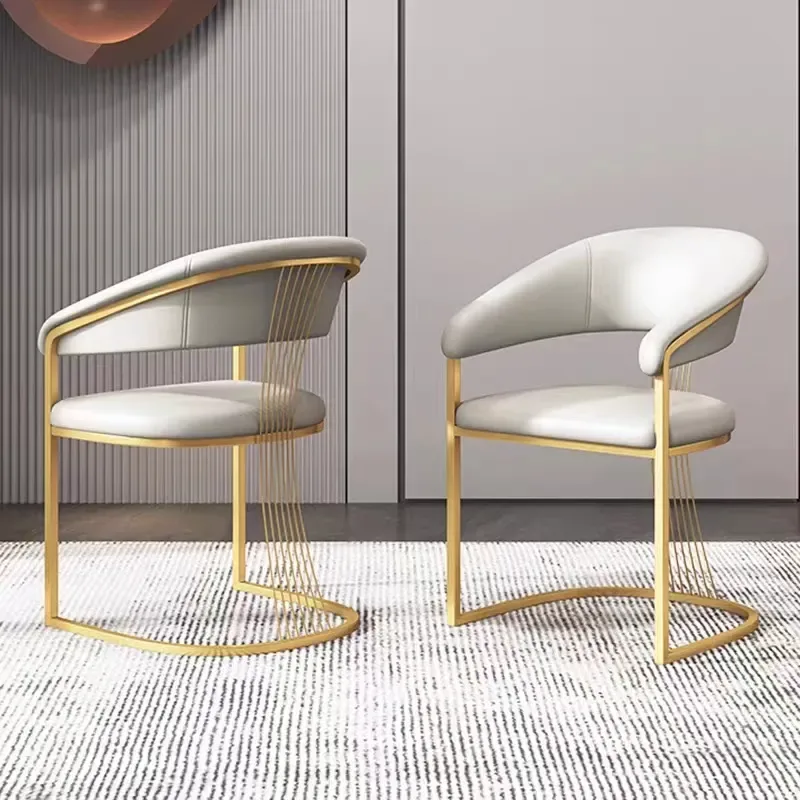 Stainless Steel Chairs
JP 304 Stainless Steel Backrest Chair
Grade 304 · MOQ 50 pcs · Get Quote
View model →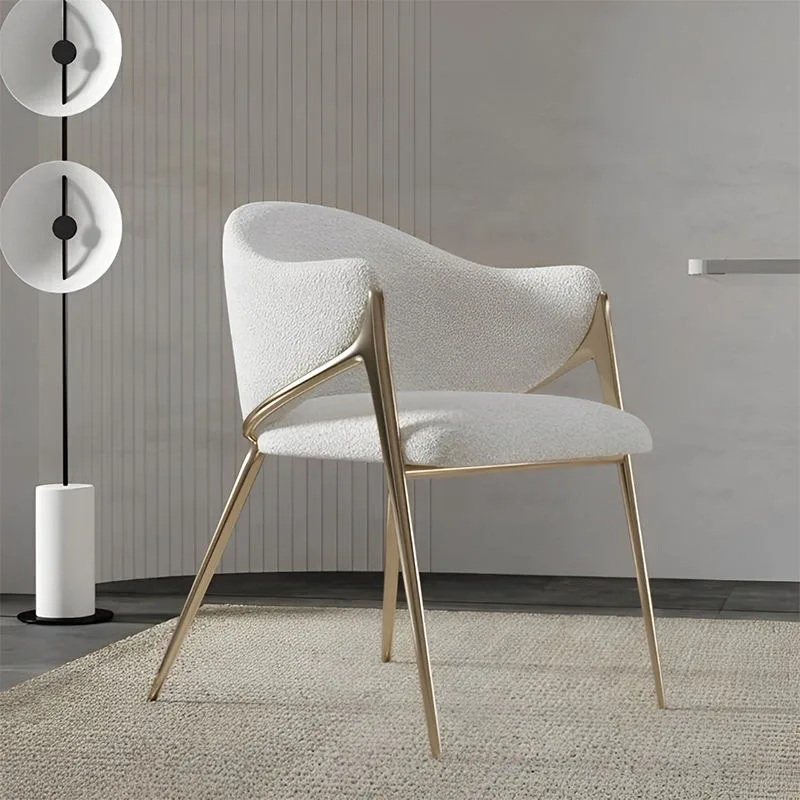 Stainless Steel Chairs
JP Luxury 304 Stainless Steel Dining Chair
Lamb plush seat · MOQ 6 pcs · $72
View model →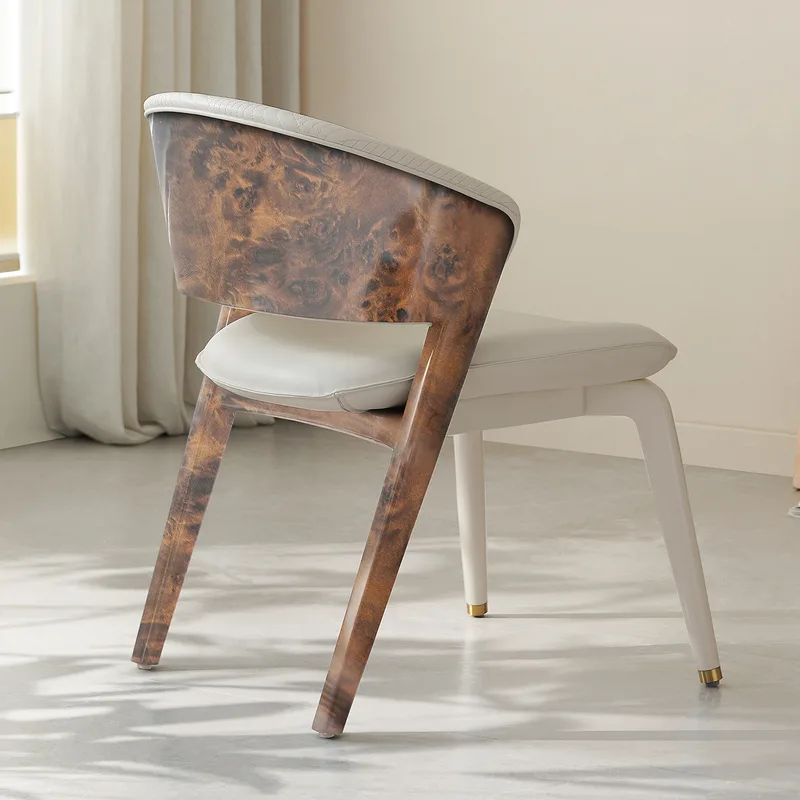 Stainless Steel Chairs
JP Golden Rose Stainless Steel Dining Chair
PVD colour · MOQ 2 pcs · $260
View model →