Restaurant Chair Maintenance: Care, Repair and Spare Parts
Published by JP · Chair manufacturer in Foshan, China
A restaurant chair is a working machine, not a showroom object. It gets dropped, dragged, stacked, wiped with whatever the closing shift grabbed, and sat on by a guest who leans the front legs off the floor. Buyers spend weeks choosing frames and almost no time planning how those frames will be kept alive — and that is where the profit quietly leaks. As a Foshan chair factory that has supplied hospitality projects for over fifteen years, we see the same maintenance failures in venues on every continent. Here is how to prevent them.
1. Why maintenance beats replacement
Run the numbers once and the argument is settled. A contract-grade chair lands at roughly US$24–160 FOB depending on material, so a 120-seat room represents US$3,000–19,000 of seating. A full replacement programme every three years on a mid-range US$45 chair costs about US$5,400 per cycle, and that bill arrives whether or not the frames were actually worn out. A simple maintenance routine — glides, hardware, cleaning chemistry, one annual deep clean — typically costs 15–20% of that figure and pushes service life past six or seven years. The savings come from two places: chairs that are repaired instead of replaced, and a much longer gap between full refits. It also protects the guest experience, because a wobbly chair is one of the few furniture faults a diner will actually complain about. Our commercial restaurant chair range is built for this kind of cycle, but no frame survives neglect.
2. Match the cleaning chemistry to the material
Most avoidable damage comes from the wrong cleaner, not from use. Solid wood wants a pH-neutral product on a damp — never wet — cloth, wiped dry immediately; ammonia, alcohol and abrasive pads strip the lacquer and leave grey patches within a season. Powder-coated metal tolerates mild soap and warm water, but scouring pads and solvents dull the finish and invite rust at the edges. Stainless steel is easiest to ruin: chlorides in bleach and hypochlorite sanitisers attack the passive layer and cause pitting that cannot be polished out, so use a chloride-free neutral cleaner and always rinse and dry. Treat upholstery by its cleaning code — W for water, S for solvent, WS for either — and make hot-water extraction quarterly rather than weekly, because over-wetting breaks down foam and backing. Our solid wood restaurant chairs ship with finish-specific care instructions.
3. Glides, bolts and screws: the five-minute fixes
You do not need a workshop to eliminate most chair failures — you need a hex key, a screwdriver and a schedule. Felt or nylon glides are the highest-wear part on any chair and should be replaced every 12–18 months; a missing glide turns into a scratched floor and a wobble that then loosens the whole frame. Check bolt torque quarterly and re-apply a medium-strength thread locker rather than simply cranking bolts tighter, which crushes wood fibres. Wood screws should be snug, not forced: over-tightening is the most common cause of split seat rails we see in repair samples. When a chair wobbles, identify which leg is short by rocking it on a flat surface and replace the glide — do not bend the leg. Bolted or knock-down frames, like our iron restaurant chairs, are easiest to keep tight because every connection re-tensions with standard tools. Anything with a cracked leg, a split rail or an opened mortise-and-tenon joint should be pulled from the floor and repaired before it fails under a guest.
4. Control the room and protect the finish
Wood moves with humidity, and a commercial room swings harder than a home. Hold relative humidity between 40% and 55%: below 35% timber shrinks and joints open; above 65% it swells, joints bind and mildew becomes a real risk. Keep chairs away from air-conditioning outlets, radiator heat and south-facing glass, never store inventory in an unconditioned warehouse, and keep a cheap hygrometer in the room so you notice drift before the furniture does. On finishes, hardwax oil on solid wood needs refreshing every 12–24 months in high-traffic venues, while PU lacquer mainly needs spot treatment with a matching touch-up pen. Repair powder-coat chips with a two-pack epoxy pen within days, before moisture reaches bare steel — this is why we send the colour code with every order. On stainless steel frames such as our stainless steel chair range, buff along the grain, avoid steel wool that transfers carbon particles, and re-passivate scratched areas so the surface can rebuild its protective oxide layer.
5. Upholstery and foam: the comfort clock
Frames outlive cushions by a wide margin, and the cushion is what guests judge. Contract seating should use foam at 35–45 kg/m³; anything softer feels luxurious on day one and collapses inside a year of lunch service. Expect seat foam to need attention after two to four years in a high-turnover venue and four to six years in a hotel, and watch for the tell-tale signs: a permanent dip where the seat meets the front rail, or a backrest that no longer supports. Fabric choice sets the ceiling — look for at least 30,000 Martindale cycles for contract and 100,000 for hospitality, plus the fire standard for your market (Crib 5 in the UK, TB 117 in California, EN 1021 across the EU). The most valuable habit is to order about 5% extra fabric from the original dye lot and store it dry: reupholstering a sound frame costs roughly 35–50% of buying new. Models like our walnut and leather restaurant chair use removable seats and replaceable cushions precisely so this work stays cheap.
6. Build a spares programme and a service calendar
Maintenance fails for organisational reasons more often than technical ones, so put it on paper. Stock 3–5% of the order quantity in fast-moving parts: glides, bolts and washers, a couple of spare seat cushions, touch-up paint and the leftover fabric roll. Order those spares on the original purchase order and ask the factory to record your finish colour, fabric reference and foam density against the order number — matching a finish two years later is easy with that record and nearly impossible without it. Then run a simple calendar: monthly visual sweep of every chair, quarterly hardware and glide check, an annual deep clean plus foam assessment of a 10% sample, and a tagged rotation so the worst chairs move to low-use areas instead of being rediscovered by guests. At JP we build spares into production runs and keep finish records for repeat orders, which is part of what our OEM and ODM service covers; you can also browse the full catalogue to see which models share glides and cushions. If you would like the care sheet and spare parts list for a specific model, our team will send them with your quotation.
Conclusion
Restaurant chairs are long-life assets that behave like consumables when nobody owns their upkeep. Get the cleaning chemistry right, replace glides and re-tension hardware on a schedule, hold the room at 40–55% relative humidity, plan foam replacement before guests notice sag, and keep a small spares stock with the finish records to match. Do that and a contract-grade frame will serve six to seven years instead of three, for a fraction of the replacement cost. Tell us your chair models, quantity and venue type, and request a quote — we will include the care sheet, spare parts list and matching finish codes for the whole order.
Related: Stackable Restaurant Chairs · How to Choose Iron Restaurant Chairs
Models we build for this
Factory-direct pricing, replaceable cushions, custom finish and fabric.
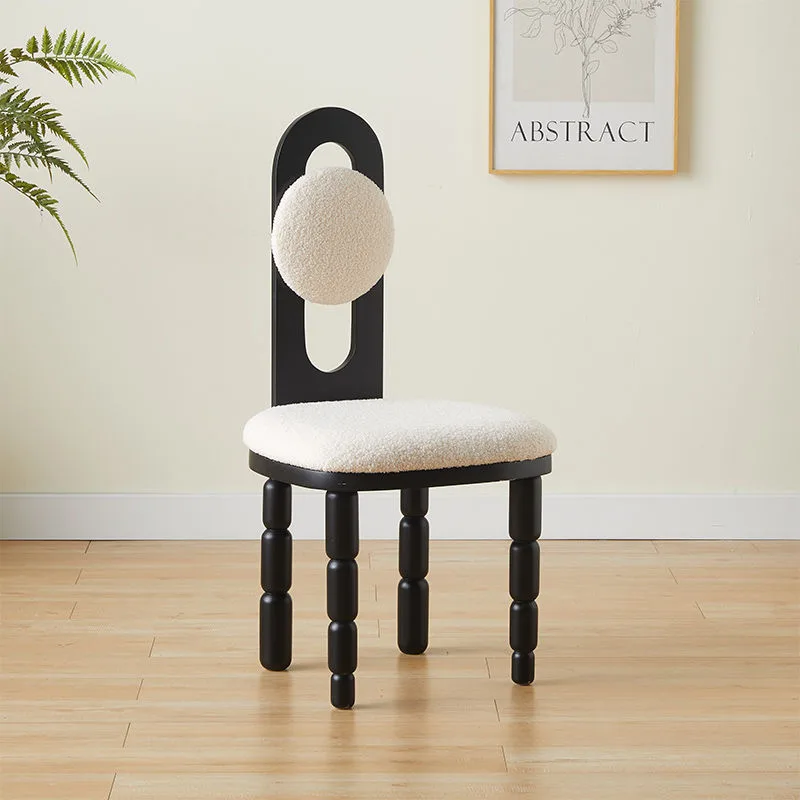 Wooden Chairs
JP Wholesale High End Dining Room Furniture
100% Solid Wood · MOQ 6 pcs · $65
View model →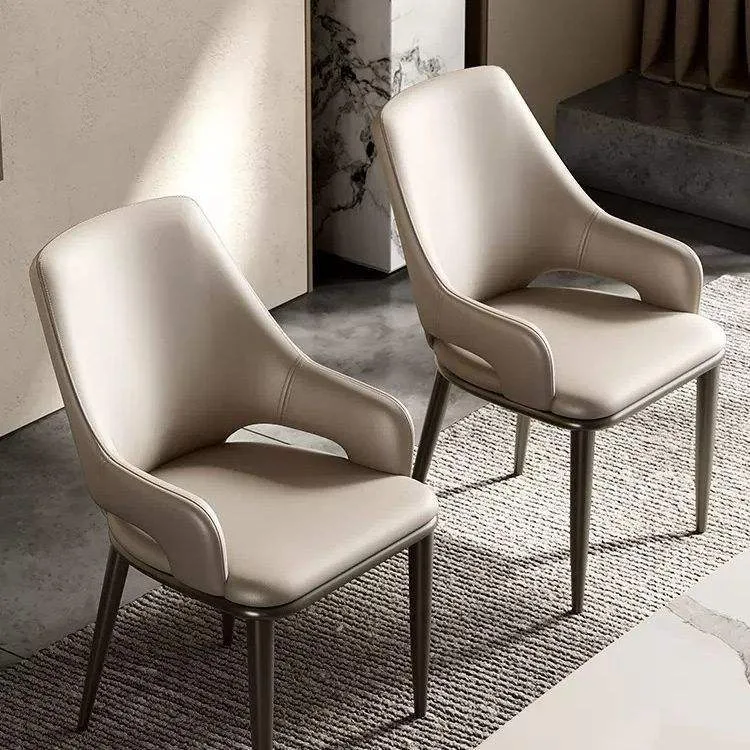 Iron Chairs
JP High Back Hotel Restaurant Designer Metal
Metal/Leather · MOQ 6 pcs · $24
View model →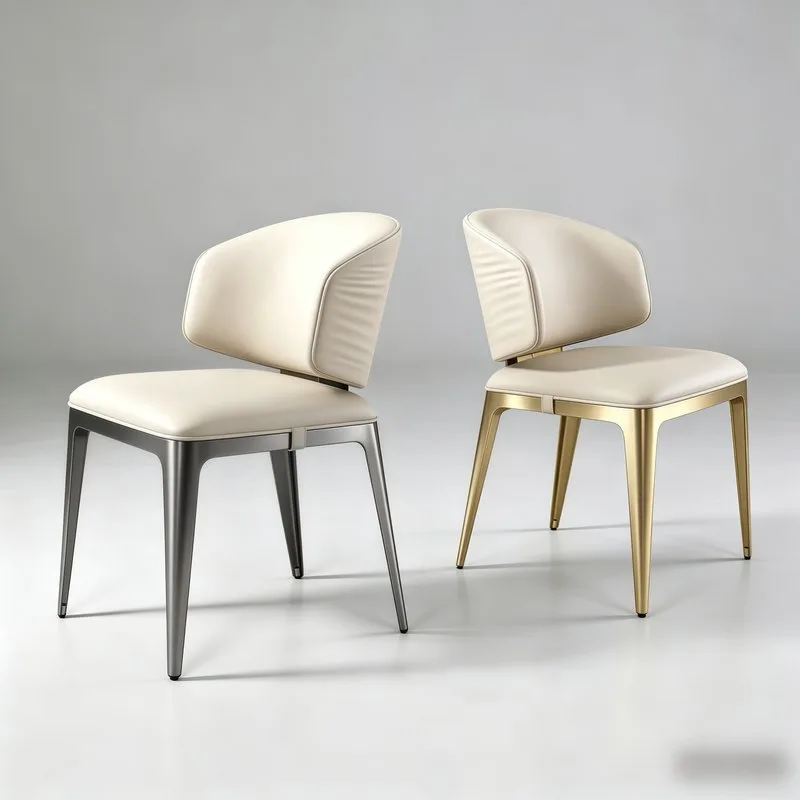 Stainless Steel
JP Modern Light Luxury Stainless Steel Thickened
Stainless steel · MOQ 2 pcs · $70
View model →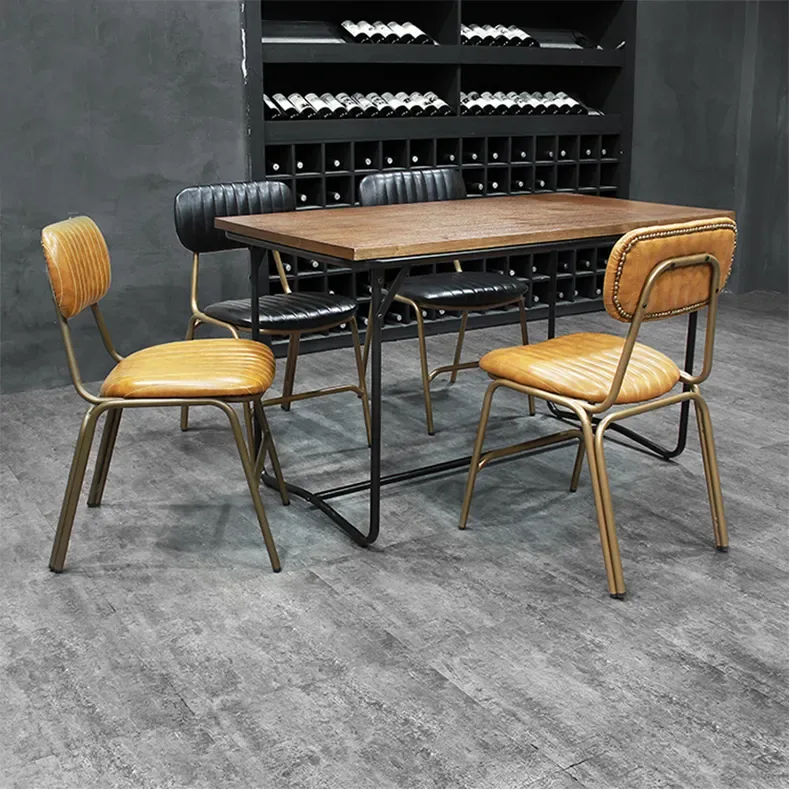 Commercial Chairs
JP Cheap Leather Dining Chair Metal Leg
Leather/Metal · MOQ 10 pcs · $35
View model →