Bar Stool Care: Footrests, Wear and Repair
Published by Foshanchair · Chair studio in Foshan, China
Bar stools are the hardest-working seats in a venue. Guests climb onto them, plant their feet on the footrest and slide off again dozens of times a day — loading a tall, narrow frame far more heavily than a dining chair ever sees. That is why stools start to wobble, rust and rattle years before the chairs around them. This guide covers what actually fails on a commercial bar stool, how to repair it, and which spare parts are worth keeping on site.
1. Why bar stools wear differently
Three things separate a stool from a chair. First, the footrest: guests put a large share of their body weight through it when they climb up and lean forward, so it is a load-bearing member, not decoration. Second, height: a 65–75 cm column multiplies lateral force, so a small amount of looseness at the joints becomes visible wobble at seat level. Third, the base: the same weight spread over a smaller footprint concentrates pressure on the glides and the floor beneath them. Add the sideways slide onto the seat and you have a part that wears at four points at once. The practical consequence for buyers is simple — inspect stools monthly rather than quarterly, and assume each one will need two or three interventions during its life.
2. The footrest fails first
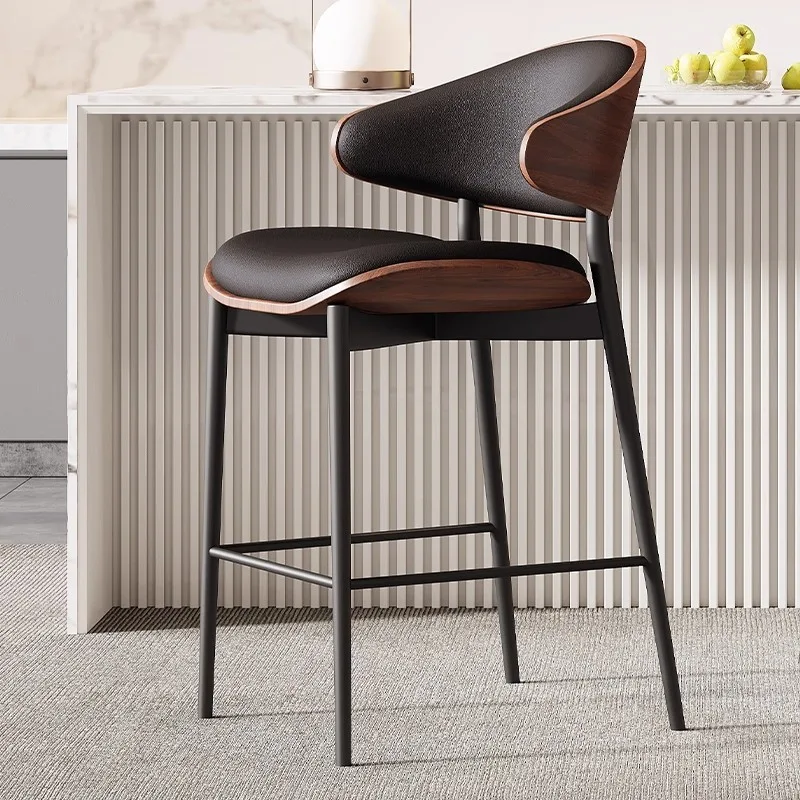
Run a dry cloth along the top of the footrest where shoes land. A grey streak means the coating has worn through to bare metal, and bare steel in a bar is where rust begins. Once a coating edge is lifted, moisture and cleaning chemicals creep underneath and lift more of it. Repair while the patch is small: sand the damaged area back to sound coating, feather the edge, degrease with isopropyl alcohol, then apply a two-part epoxy primer and a matched topcoat in the colour code stated on your purchase order. Skip automotive wax and silicone sprays; they trap dirt and make the next touch-up harder. If the footrest rail has cracked at a weld, weigh the repair — a sound frame with one cracked weld is worth fixing, but a second crack in the same area usually means replacement. Wooden footrests wear differently: the finish disappears and raw timber shows, so sand lightly and re-oil. A wrapped or fabric-covered footrest, as on our solid wood bar stool with a fabric footrest, puts a replaceable part exactly where the wear happens.
3. Wobble: diagnose before you replace
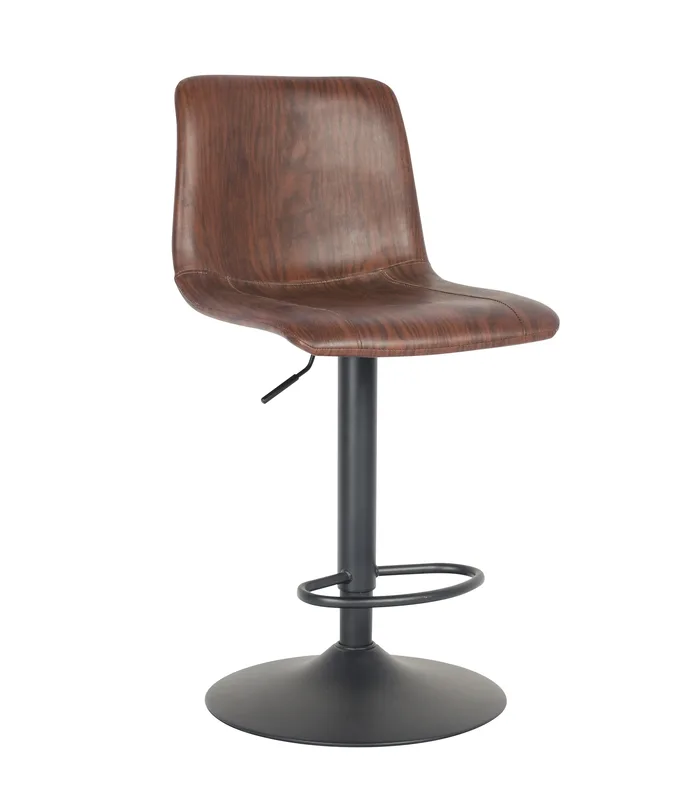
Most wobbly stools are a fixing problem rather than a frame problem, so work through the checks in order. Move the stool to another position first to rule out the floor. Then inspect the glides for flat spots, missing pads and embedded grit. Next, tighten the base screws, which loosen under daily rocking and benefit from a thread-locking compound at every service. On wooden stools, a seat that shrinks in dry winter air loosens on its mounting plates and tightens again in summer, so re-torque seasonally instead of replacing. If the stool swivels, listen for grinding and feel for play in the plate bearings — a worn mechanism can be swapped for a fraction of the cost of a new stool, which is why our swivel bar stool models use a bolted plate rather than a sealed unit. Adjustable gas lifts are a consumable: slow creep downward is normal at the end of their life, so stock replacements rather than special-ordering them.
4. Seats, backs and upholstery
Guests slide onto a stool sideways, so fabric and leather wear at the front edge of the seat and along the top of the backrest first. Look for fraying, staples pulling out of the frame and foam that has compacted into a hard rim — foam below roughly 30 kg per cubic metre will not survive a busy bar. Repair ranges from re-stapling and re-padding a seat to full reupholstery, and the decision is mostly economic: reupholstery makes sense on a solid frame, while a stool with a bent column or cracked base should be retired. If you may reupholster later, order one extra cushion per twenty stools and record the fabric batch or dye lot at purchase — a replacement from a different lot will never match exactly. Iron and steel frames take the same seat wear with far less frame damage, which is why metal bar chair frames are the usual choice for high-volume bars.
5. Cleaning: the chemistry that protects the finish
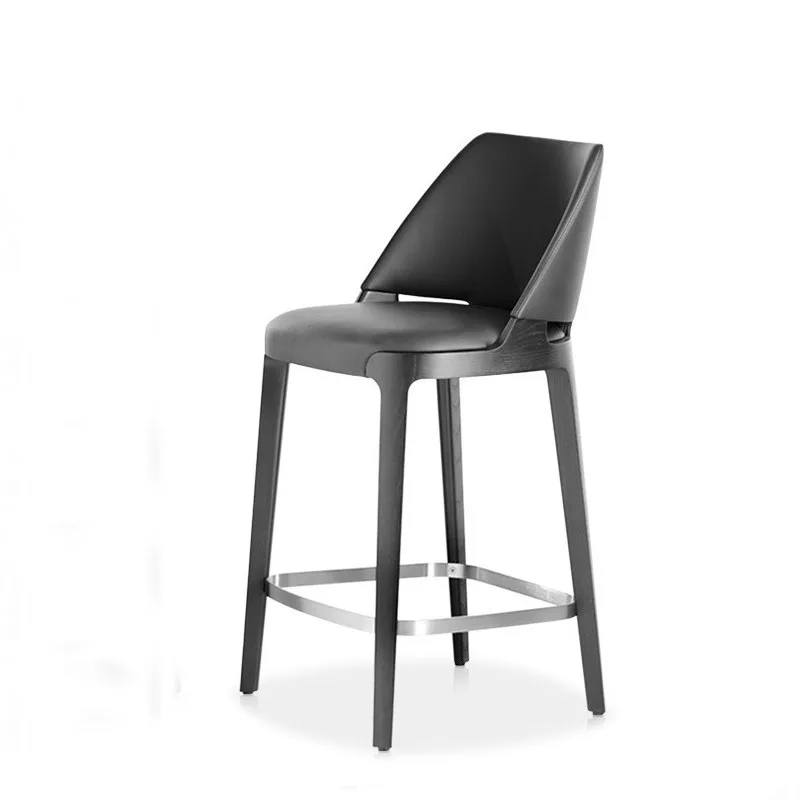
Cleaning products damage bar stools more often than guests do. Use neutral pH soap, warm water and a soft cloth, then dry immediately — leave a wood seat wet and the grain will raise and the edge will split. Never use solvent degreasers, abrasive pads or a pressure washer above 60 bar on powder coat, and keep bleach away from stainless steel: chlorides attack the passive layer and cause pitting that polishing cannot remove. Steel wool leaves free iron on a stainless surface and rusts within days, so use a dedicated stainless cleaner and wipe along the grain. Leather seats need a pH-correct leather cleaner and a light conditioner, not furniture polish. In coastal venues, rinse terrace and bar stools regularly and specify A2 stainless fasteners. Our leather upholstered bar chairs ship with the finish schedule we recommend for daily service.
6. Spares, schedule and replacement planning
The cheapest repair is the part already in your storeroom. For every hundred stools, hold five to ten per cent spare glides, a box of base screws and bolts, two to three swivel plates, one spare cushion per twenty seats and a touch-up bottle for each finish colour on the floor. Add gas lifts if your stools are height-adjustable. Set a rhythm: monthly, check footrest coating and glides; quarterly, re-torque base fixings and test swivels; annually, touch up chipped coating and re-oil timber. Write the spec into the purchase order — part numbers, finish colour code and batch-matched spares — because a look-alike glide ordered two years later rarely fits. Expect a daily-use stool to need meaningful repair after six to ten years; if you replace in batches, keep one finish standard so old and new pieces can be mixed without it showing. Our bar stool catalogue lists finish, MOQ and lead time per model, and OEM runs can ship spares together with the original order.
Conclusion
Bar stools fail predictably: footrest coating wears through, base fixings loosen, glides flatten and the seat front edge gives out first. Inspect monthly, repair coating while the patch is small, stock glides and swivel plates, and put the spare-parts list in the original purchase order. Foshanchair builds counter and bar stools in wood, iron and stainless steel with matched finishes and MOQ-friendly runs from a few pieces — request a quote with your stool count and service level and we will include the spares you need.
Related: Restaurant Chair Maintenance Guide · Iron vs Stainless Steel Chairs
Models we build for this
Factory-direct pricing, custom finish and fabric, MOQ from a few pieces.